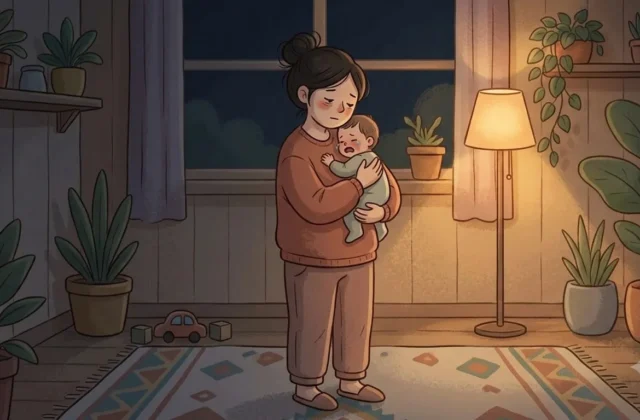



Is the baby sleeping? Is the baby feeding well? Is the baby gaining weight? Is the baby smiling yet, rolling yet, sitting yet, sleeping through the night yet?
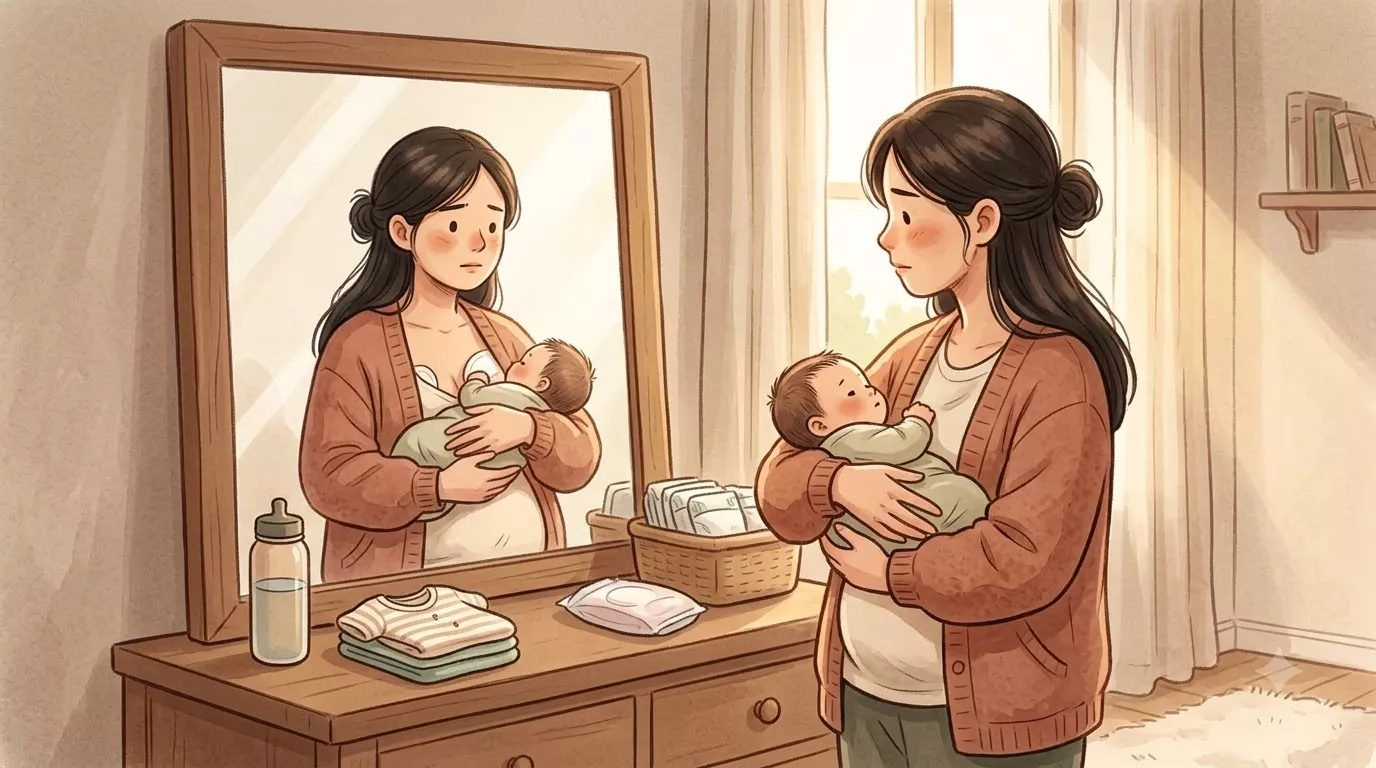
Most of those questions come from love, but after a while, it can feel as if your body has become the background story. You may still be bleeding, sweating through the night, sore when you walk, afraid to use the toilet, leaking when you laugh, staring at a belly you do not recognise, or wondering why your emotions keep rising and falling so sharply.
If you have searched what happens to your body after birth the first year honestly, you are probably not looking for a perfect “bounce back” timeline. You want to know what can happen, what is common, what needs help, and why six weeks is not the whole story.
The truth is that postpartum recovery is not one neat chapter. Some changes happen in the first days, some show up months later, and some take much longer than people admit. Your body is not failing because it does not feel normal right away. It is recovering from pregnancy, birth, hormone changes, blood loss, feeding demands, sleep disruption, and the enormous work of caring for a new baby.
The First Days: Your Body Is Still Doing a Lot
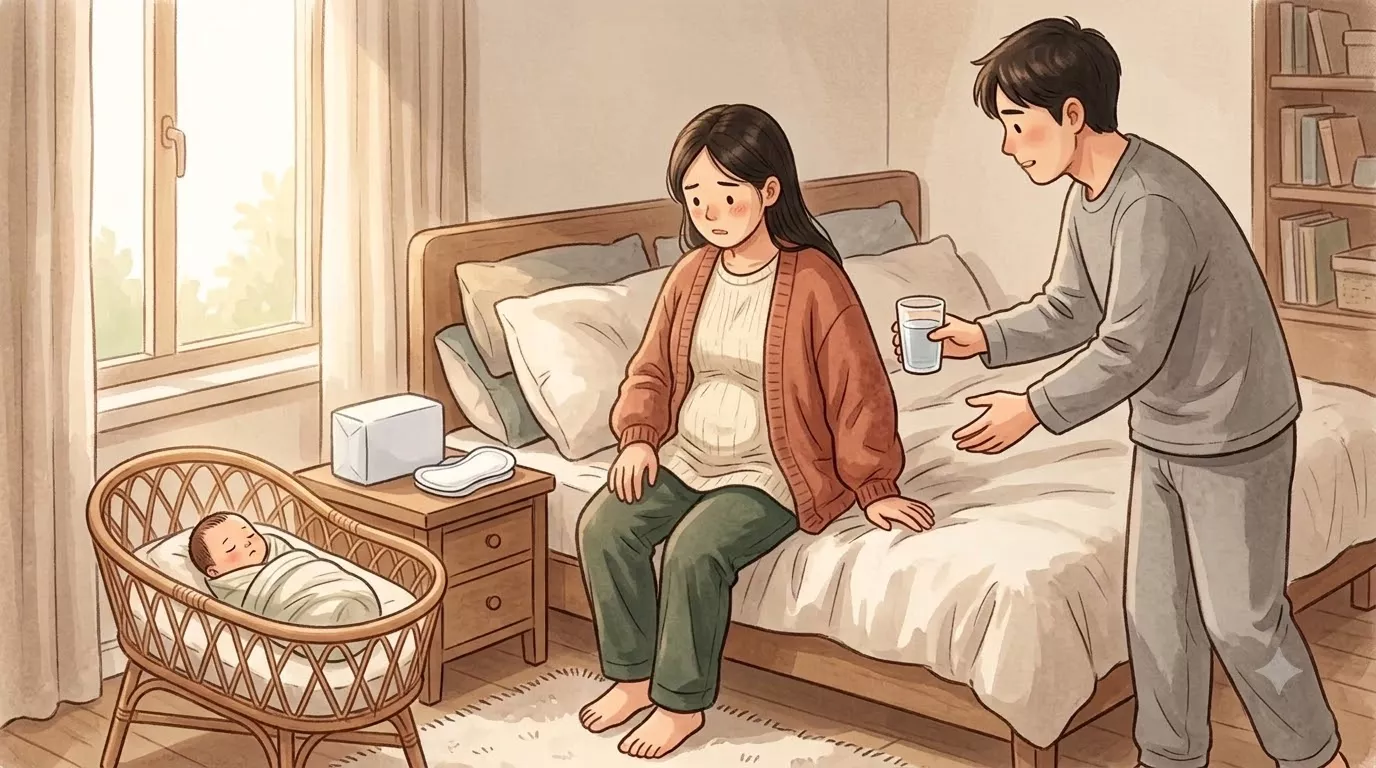
The first days after birth can feel strangely unreal. The baby is outside your body, but your body is not suddenly “done.” Your uterus is still contracting, bleeding has begun, your breasts may be changing, your pelvic area may feel bruised or heavy, your abdomen may feel soft and unfamiliar, and even walking from the bed to the bathroom can feel like an event.
NHS guidance on the body after birth covers many of the physical changes that can happen during this early period, including stitches, soreness, difficulty going to the toilet, bladder control, piles, postpartum bleeding, and changes in the tummy after delivery. It also notes that bleeding after birth is usually heavy at first, then gradually changes colour and decreases over the following weeks. (nhs.uk)
This is why the first few days should not be treated as a test of how quickly you can act normal. Even if the birth went well, your body is doing layered recovery work. If you had tearing, stitches, a long labour, assisted birth, heavy bleeding, or a caesarean, that recovery may feel even more intense.
It is not weakness to need help getting up, to move slowly, to sit carefully, or to feel emotional when your body does not respond the way it used to. The early days are not the time to prove that you are fine. They are the time to be watched over, fed, hydrated, checked on, and allowed to heal.
Bleeding, Cramping, and That Heavy Postpartum Feeling
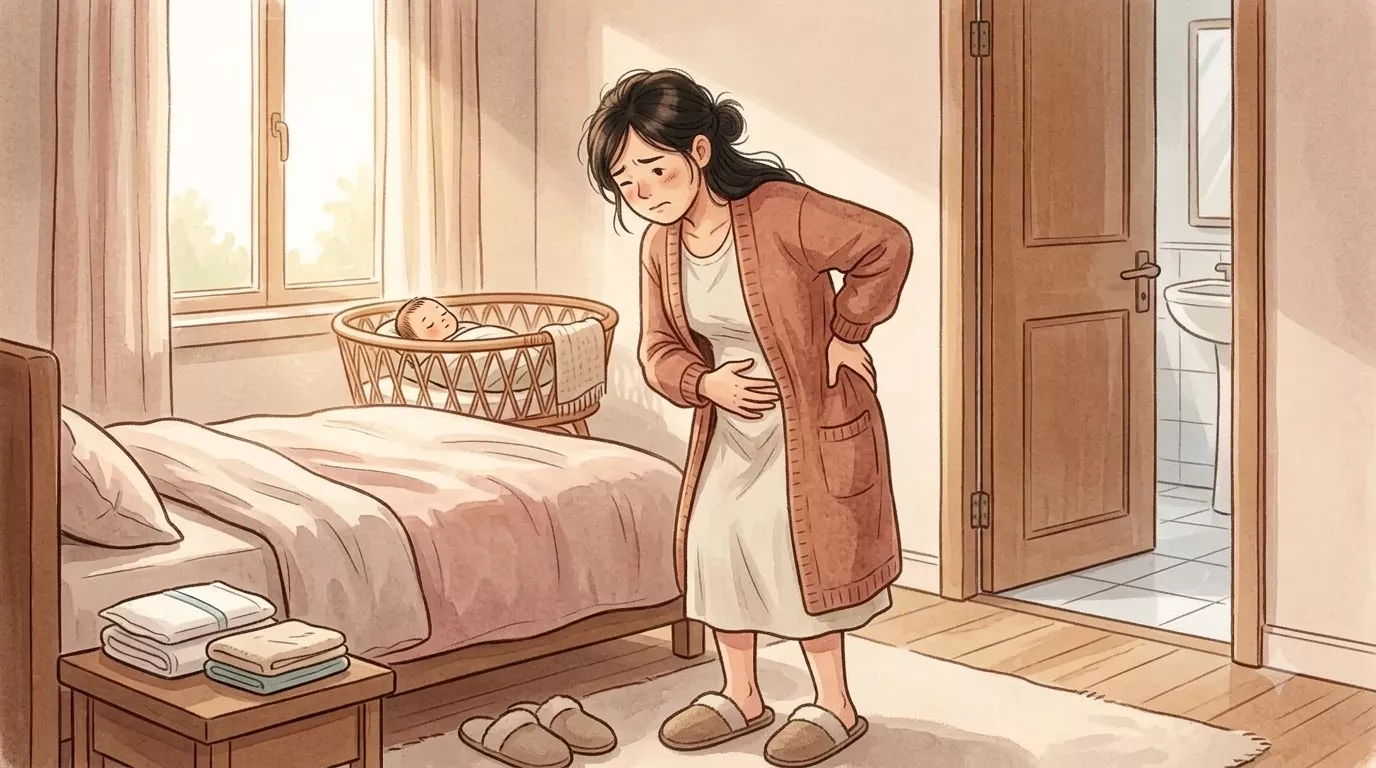
Postpartum bleeding, also called lochia, is one of the clearest reminders that birth recovery continues after the baby arrives. It can be heavy at first, and you may notice cramping as the uterus contracts back down. NHS notes that bleeding can become redder and heavier during breastfeeding because breastfeeding makes the womb contract, and those contractions can feel like period cramps.
That heavy, dragging feeling in the pelvis can also be unsettling. Some people feel bruised, swollen, tender, or strangely open in the early days. Others feel cramps more strongly if this is not their first birth. These sensations can be common, but common does not mean they should be ignored when something feels wrong.
You should contact your healthcare provider if bleeding is very heavy, if you pass large clots, if bleeding suddenly gets heavier after slowing down, if you feel faint or dizzy, or if you notice fever, foul-smelling discharge, or worsening pain. Mayo Clinic lists postpartum warning signs that need medical attention, including bleeding that soaks through more than one pad an hour, passing blood clots the size of an egg or bigger, fever, severe headache with vision changes, chest pain, trouble breathing, seizures, and thoughts of hurting yourself or your baby.
The point is not to make you afraid of every cramp. It is to remind you that your body deserves attention too. You are not “bothering” anyone by asking whether something is normal.
Your Pelvic Floor May Feel Different for a While
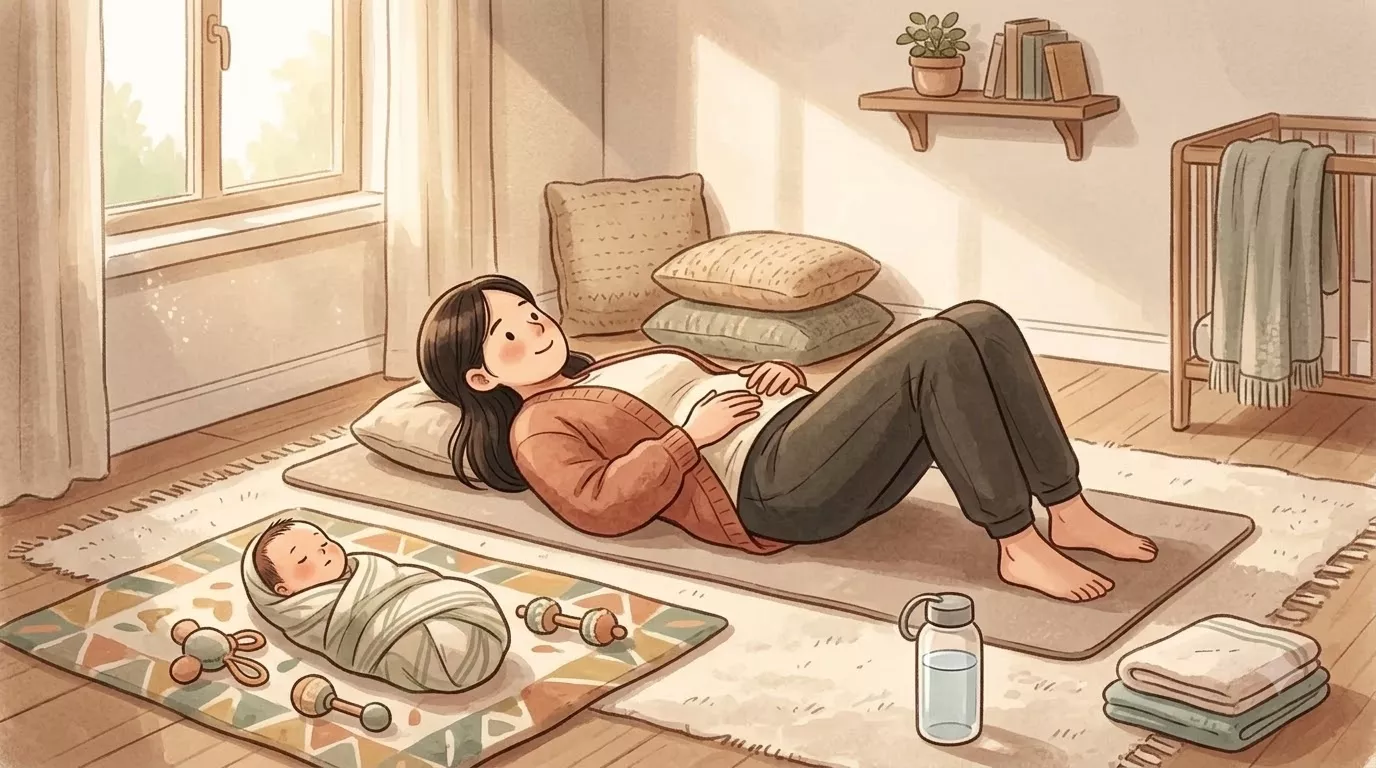
The pelvic floor carries a lot during pregnancy and birth, and it may not feel like itself afterwards. You might notice leaking urine when you laugh, cough, sneeze, or move suddenly. You might feel heaviness, pressure, discomfort, or a strange lack of control in your pelvic area. Some people also notice difficulty controlling wind or bowel movements, which can feel embarrassing to talk about but is important to mention.
NHS says leaking a bit of urine after birth is quite common, and pelvic floor exercises can help; it also advises telling a GP at the postnatal check if it has not improved, because referral to a physiotherapist may help. NHS also advises talking to a midwife or GP if poo is leaking or you are pooing when you do not mean to.
This is one of those areas where many mothers are told, directly or indirectly, to just accept discomfort as part of motherhood. But leaking, pain, heaviness, or feeling that something is not right can often be supported. Pelvic floor physiotherapy exists for a reason, and you do not need to wait until symptoms are severe before asking for help.
A gentle way to think about it is this: common is not the same as untreatable. Your pelvic floor may need time, but it may also need guidance. Both can be true.
If You Had a C-Section, Recovery Is Not Just a Bigger Cut
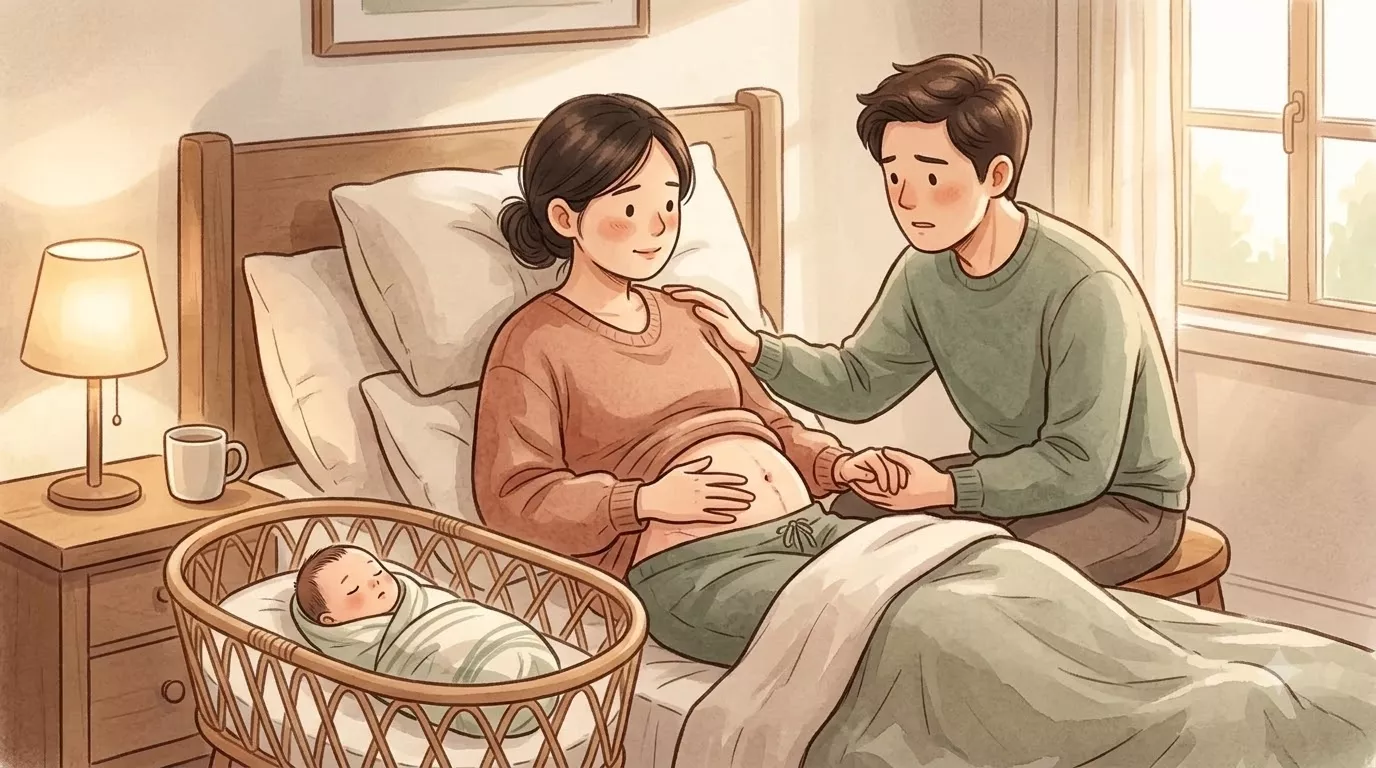
A caesarean birth is sometimes spoken about as if it is simply a different route for the baby to come out, but recovery from a C-section is also recovery from major abdominal surgery. You may be caring for a newborn while your incision is sore, your core feels weak, your body feels swollen, and simple movements like standing up, coughing, laughing, or getting out of bed take planning.
This is not “the easy way out.” It is a different kind of recovery. March of Dimes describes C-section as major surgery and notes that people may feel very tired in the first days or weeks after a C-section and that the incision on the belly may be sore.
A C-section can also come with sensations that people do not always expect: numbness around the scar, pulling or tightness, tenderness, sensitivity to clothing, or fear of moving normally. At the same time, your pelvic floor and core still went through pregnancy, so caesarean recovery is not only about the scar.
Follow your own doctor’s guidance about pain relief, wound care, lifting, driving, exercise, and when to resume sex. If your incision is red, opening, leaking fluid, increasingly painful, or you develop a fever, do not wait it out quietly. That is something to ask about.
Your Hormones May Make Everything Feel Unfamiliar

The hormone shift after birth can make your body feel unfamiliar in ways that are hard to explain. You may sweat at night, cry easily, feel anxious, feel strangely flat, lose interest in sex, notice vaginal dryness, see changes in your skin, or feel as if your moods are moving faster than you can understand.
Some emotional ups and downs can happen in the early postpartum period, but intensity and duration matter. ACOG says postpartum depression involves intense feelings of sadness, anxiety, or despair that keep people from being able to do daily tasks, and it can occur up to one year after having a baby, most commonly beginning around one to three weeks after childbirth.
This is important because many people expect postpartum mental health struggles to look like constant crying. Sometimes they do. But they can also look like rage, panic, numbness, obsessive worry, inability to sleep even when the baby sleeps, loss of appetite, feeling detached, or feeling like you are not yourself in a frightening way.
If you have thoughts of harming yourself or your baby, feel confused or out of control, cannot sleep for days, or feel unsafe, seek urgent help immediately. These symptoms deserve medical care, not shame. You are not a bad parent because your brain and body need support.
Around 2–4 Months: Hair, Skin, and Energy Can Shift Again
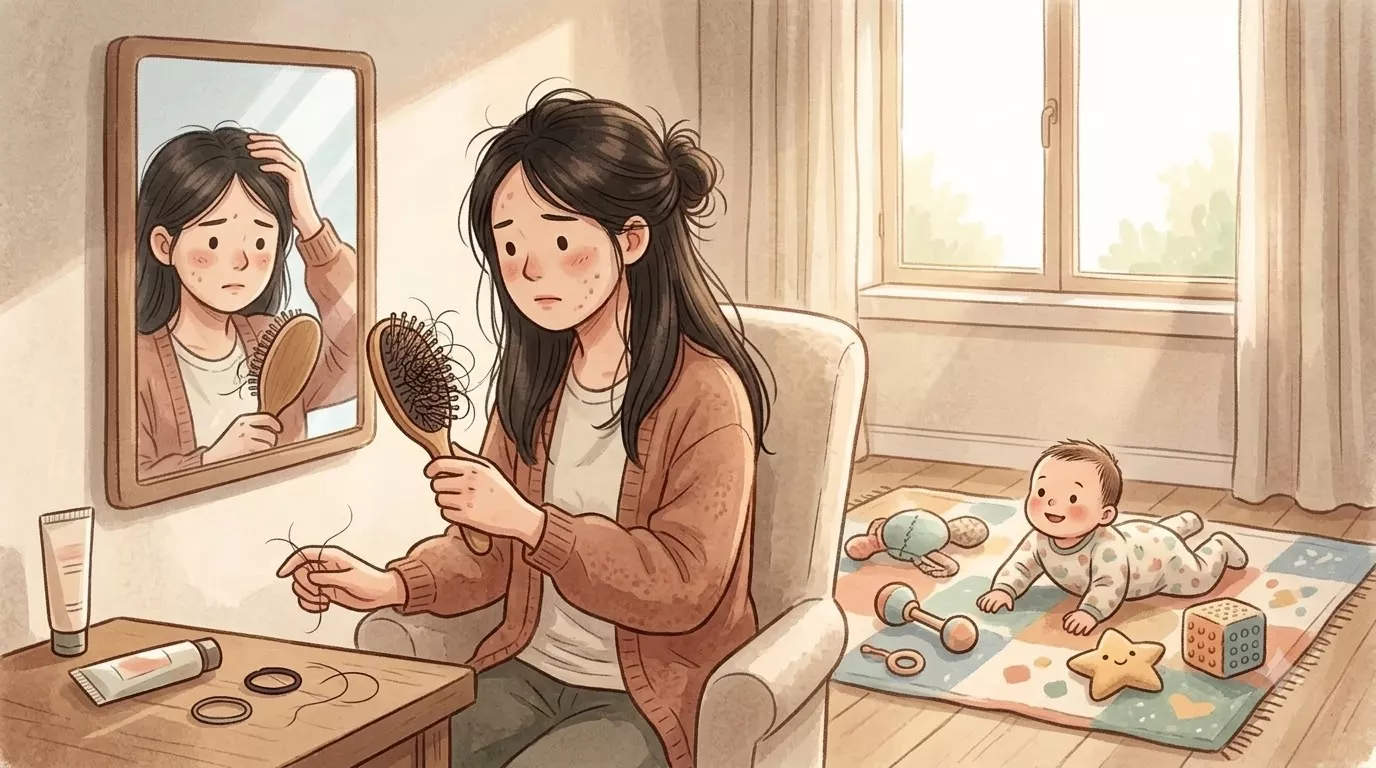
One of the honest surprises of postpartum recovery is that some changes show up after the earliest weeks are already over. You may think your body has entered a calmer phase, then suddenly your hair starts shedding heavily, your skin changes, your energy dips, or your body feels different again.
Postpartum hair shedding is a common example. The American Academy of Dermatology explains that many new mothers notice visible hair shedding a few months after having a baby; dermatologists call it telogen effluvium, or excessive hair shedding, and it is usually linked to falling estrogen levels. The AAD also notes that this shedding is temporary for most women, with hair often returning to normal fullness by the child’s first birthday.
Energy can also change around this time for reasons that are not mysterious at all: accumulated sleep debt, feeding demands, return to work, less help from others, and the emotional weight of everyone assuming you are “past the hard part.” Your body may be technically healed in some ways while still deeply tired.
If hair loss is patchy, severe, comes with scalp pain or inflammation, or continues beyond a year, it is worth asking a doctor or dermatologist. If fatigue feels extreme, worsening, or comes with dizziness, palpitations, heavy bleeding, or mood symptoms, ask for medical help rather than writing it off as normal motherhood.
Your Core and Belly May Not Feel Like Yours Yet
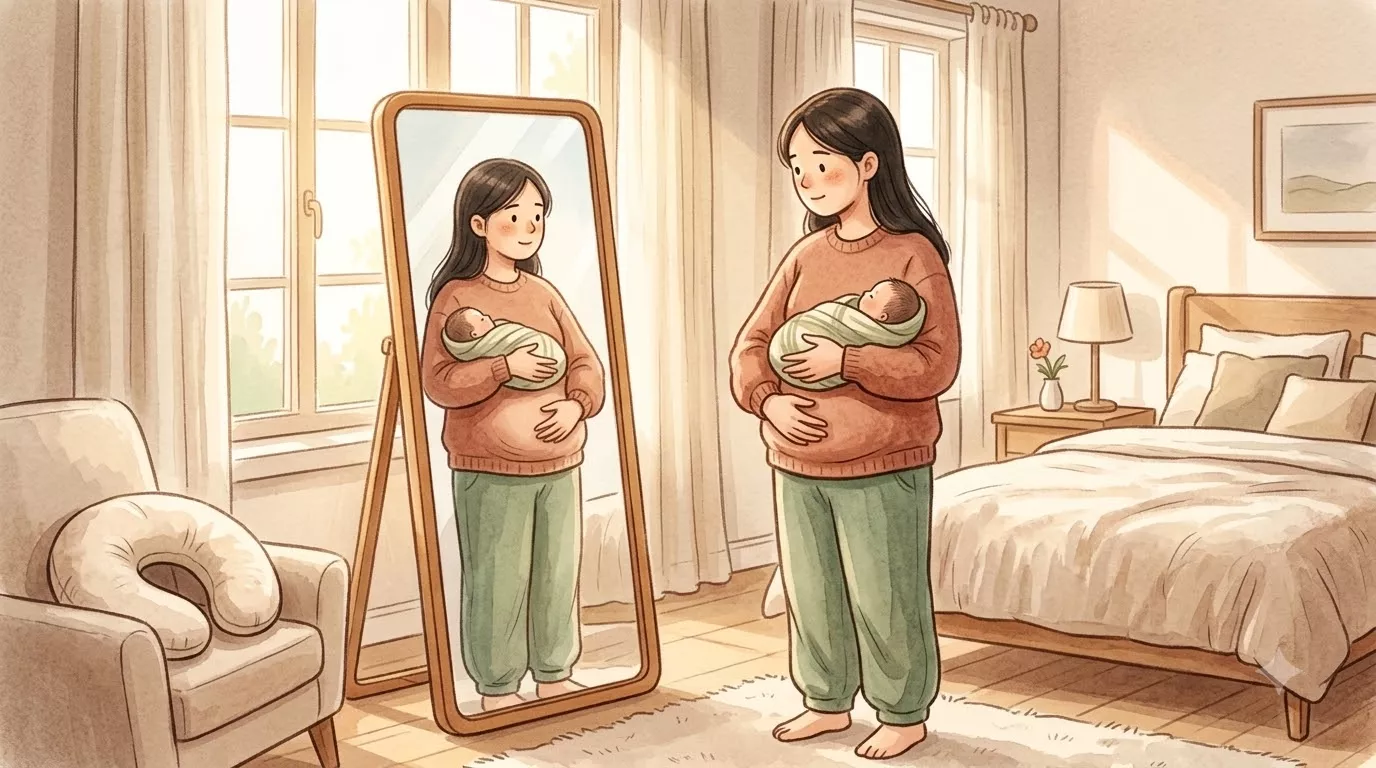
The postpartum belly is often treated unfairly, as if it is a problem to solve rather than a part of the body that carried a pregnancy. After birth, your belly may still look pregnant, feel soft, hang differently, or feel weak in the middle. This can be emotionally hard, especially when social media makes it seem as if everyone else returns to their old shape quickly.
NHS says the tummy is usually still much bigger after delivery partly because the muscles have stretched, and it also explains that the two muscles running down the middle of the stomach commonly separate during pregnancy, a condition called diastasis recti or divarication. It says this separation usually improves by about eight weeks, but if the gap is still obvious after that, contacting a GP is recommended because there may be a risk of back problems and a physiotherapist can help with specific exercises.
This is not about rushing into workouts or trying to flatten your stomach as quickly as possible. It is about function, comfort, and safety. If you notice doming or coning in the middle of your abdomen, back pain, pelvic heaviness, leaking, or uncertainty about which exercises are safe, it may help to speak with a physiotherapist or healthcare provider.
Your belly does not owe anyone a timeline. It is allowed to look like it has been through something, because it has.
Intimacy, Periods, and Libido May Not Come Back on Schedule

People often talk about the six-week check as if it automatically means sex can or should return, but the body and mind do not work like a calendar reminder. You may be physically sore, emotionally touched out, breastfeeding, sleep-deprived, anxious, healing from stitches or surgery, dealing with vaginal dryness, or simply uninterested. None of that makes you broken.
Periods can also return on different timelines. NHS says it is hard to be exact because everyone is different; if you bottle-feed or combine bottle-feeding with breastfeeding, your first period could start as soon as five to six weeks after birth, while if you fully breastfeed, including at night, your periods may not start until breastfeeding is reduced.
Libido is affected by more than hormones. Pain, resentment, exhaustion, body image, feeding demands, relationship tension, and the feeling of being constantly touched can all matter. The question is not simply whether your body is “cleared.” The question is whether you feel safe, comfortable, willing, and supported.
If intimacy is painful, if you bleed, if you feel intense fear, or if dryness and discomfort are making intimacy difficult, bring it up with your doctor or midwife. You deserve more than being told to push through.
Six Weeks Is a Checkpoint, Not a Finish Line
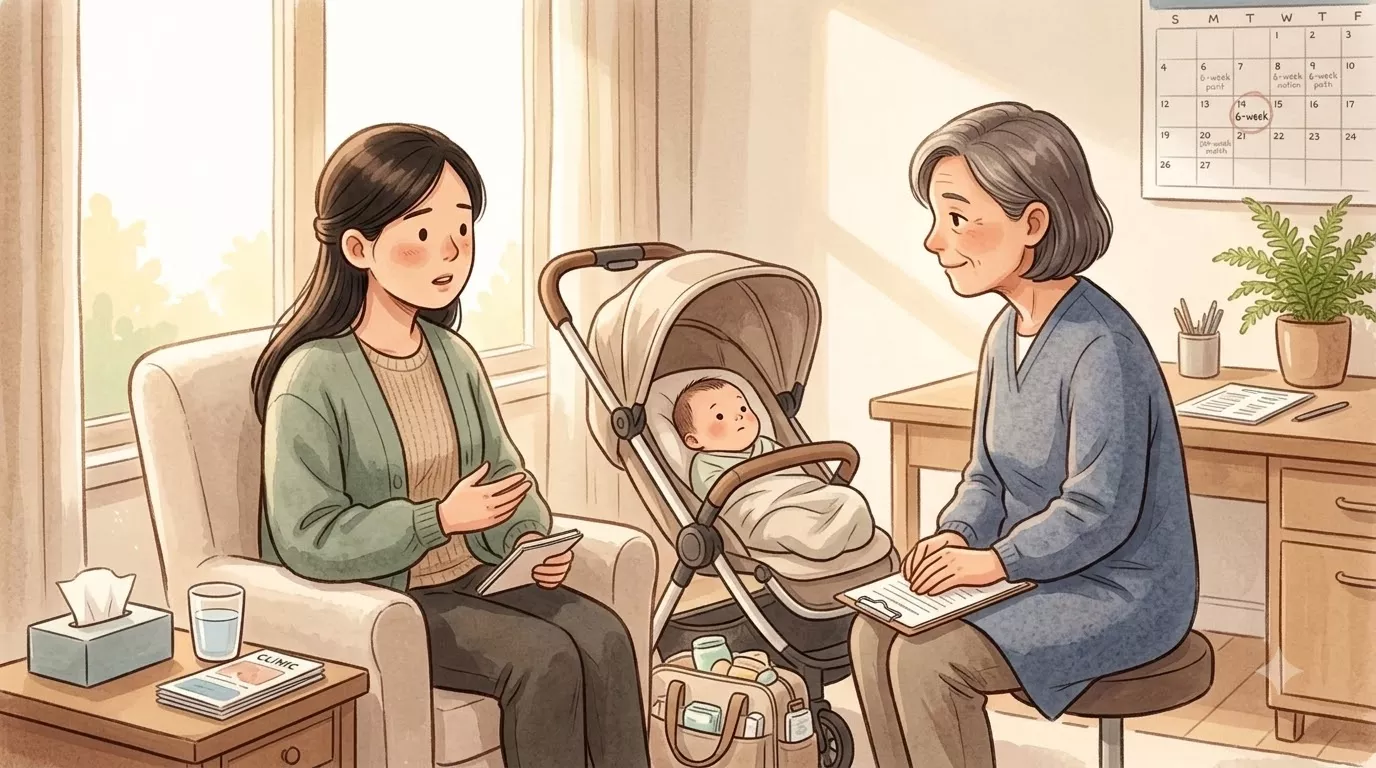
The six-week visit can be useful, but it should not be treated as the finish line for postpartum recovery. Many people leave that appointment still leaking, sore, exhausted, anxious, disconnected from their body, or unsure whether what they are experiencing is normal. That does not mean they failed recovery. It may mean recovery needs more time and more support.
ACOG recommends that postpartum care become an ongoing process rather than a single encounter, with contact with an obstetric care provider within the first three weeks postpartum and a comprehensive postpartum visit no later than twelve weeks after birth. ACOG also describes the weeks after birth as a critical period for long-term health and well-being.
This matters because a lot can be missed when postpartum care is reduced to one quick appointment. Your physical healing, mental health, feeding experience, sleep, contraception, birth recovery, chronic conditions, blood pressure, pelvic floor, pain, and emotional support all deserve attention.
If you are still struggling after six weeks, you are not behind. But you also do not have to silently endure symptoms just because someone told you the checkup was over.
The Second Half of the Year Can Still Bring Changes
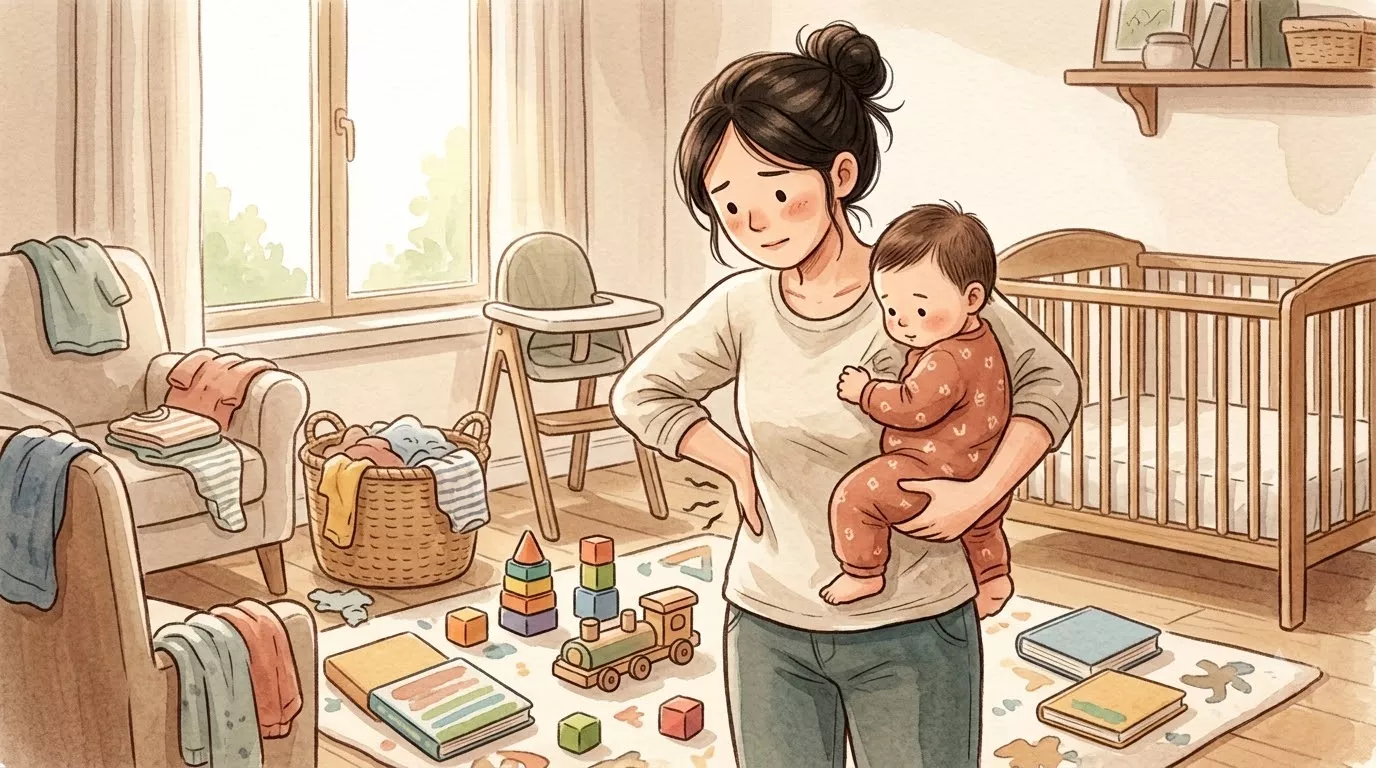
The second half of the first year can be surprisingly physical. Your baby is heavier, you may be carrying them more, bending more, lifting more, feeding in awkward positions, and sleeping less than your body needs. Back pain, wrist pain, shoulder tension, scar sensitivity, pelvic symptoms, hair regrowth, changes from weaning, and the return of your period can all make your body feel like it is still changing.
Mayo Clinic notes that health problems can happen in the weeks and months after childbirth, and that many postpartum complications can be treated if found early. It also advises telling your healthcare team, during any visit in the year after childbirth, when you gave birth so symptoms can be understood in the right context.
This is one reason the first year can feel uneven. You may feel better at three months than you did at three weeks, then hit a new wave of exhaustion at seven months. You may feel stronger in your body but more emotionally worn down. You may stop breastfeeding and experience hormonal shifts, or you may still be breastfeeding and wondering why your body does not feel fully yours.
The first year is not one smooth upward line. It is a long transition with many smaller transitions inside it.
Warning Signs You Should Not Ignore
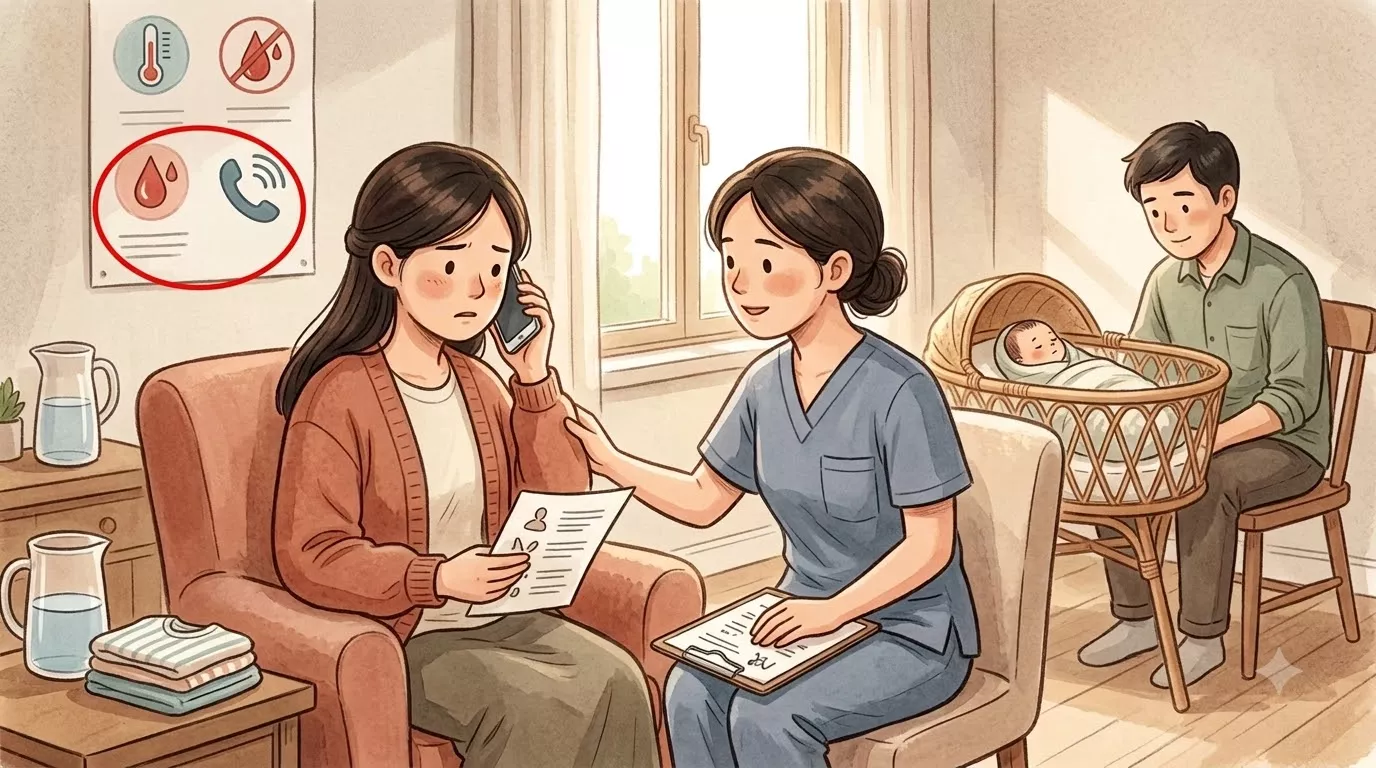
Most postpartum changes are not emergencies, but some symptoms need prompt medical attention. It is better to ask too early than to wait because you are afraid of being dramatic.
Seek emergency care if you have chest pain, trouble breathing, shortness of breath, seizures, extreme tiredness that does not improve with rest, or thoughts of hurting yourself or your baby. Mayo Clinic also advises calling a healthcare professional for heavy bleeding that soaks more than one pad an hour, blood clots the size of an egg or bigger, an incision that is not healing, a painful or warm swollen leg, fever of 100.4°F or 38°C or higher, or a severe headache that does not improve or comes with vision changes.
You should also ask for help if you have worsening abdominal pain, foul-smelling discharge, signs of infection around stitches or a C-section scar, sudden swelling, very high blood pressure readings if you are monitoring at home, frequent faintness, or a strong feeling that something is wrong.
For mental health, urgent help is needed if you feel unsafe, have thoughts of harming yourself or your baby, feel confused, have hallucinations, cannot sleep for days, or feel out of control. Postpartum mental health conditions are treatable, but they deserve real care, not silence.
Your Body Is Not Behind
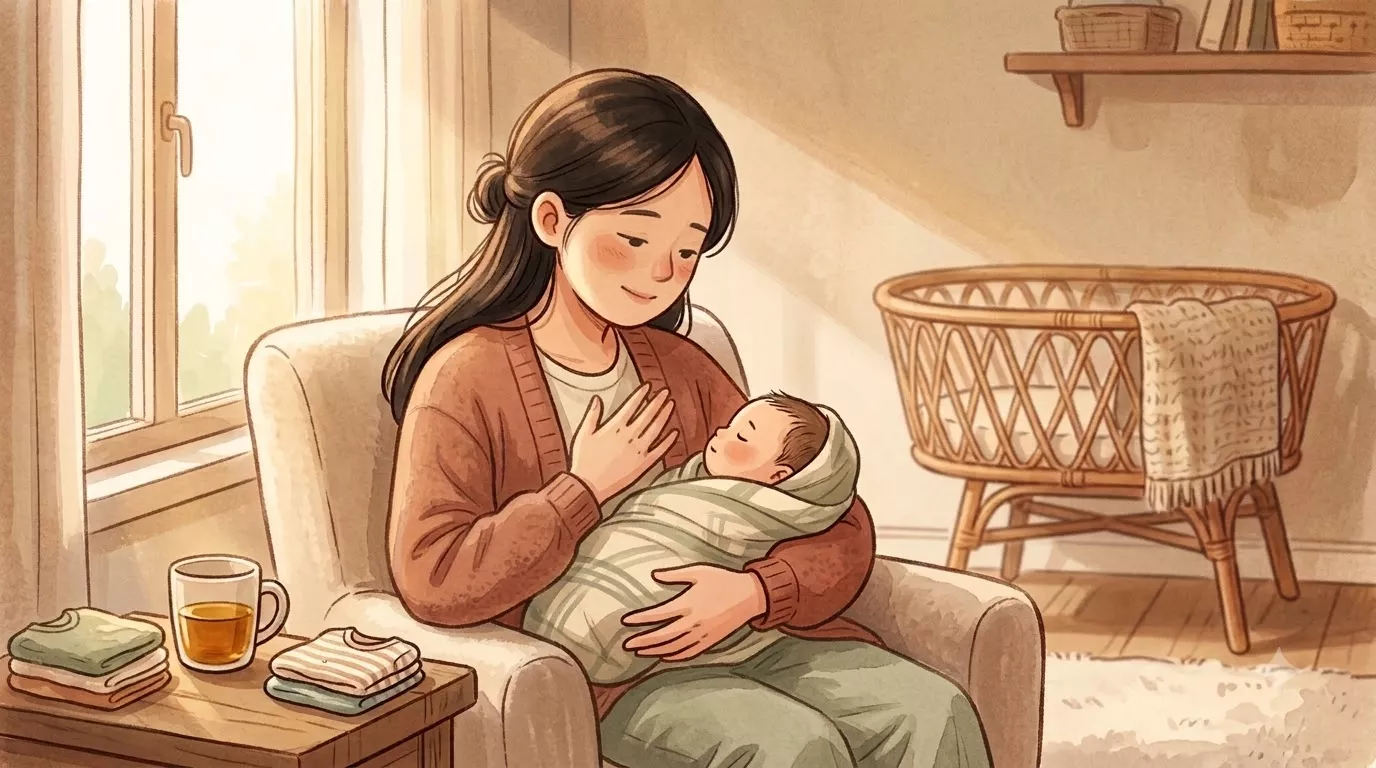
Your body after birth is not a failed version of your old body. It is a body in recovery, a body in transition, and a body that deserves more than a six-week deadline.
It has stretched, opened, contracted, bled, healed, fed, carried, lifted, rocked, and stayed awake through nights it never would have chosen. It may look different, feel different, respond differently, and need more support than you expected. That does not make it wrong.
The first year after birth asks a lot from the body while giving it very little uninterrupted rest. So if you are still healing, still changing, still asking questions, or still trying to understand what is normal for you, you are not late. You are in a process that was never meant to be rushed.
Your body does not need shame layered on top of recovery. It needs care, time, honest information, and help when something does not feel right.
Six weeks is not the whole story.
The first year matters too.