


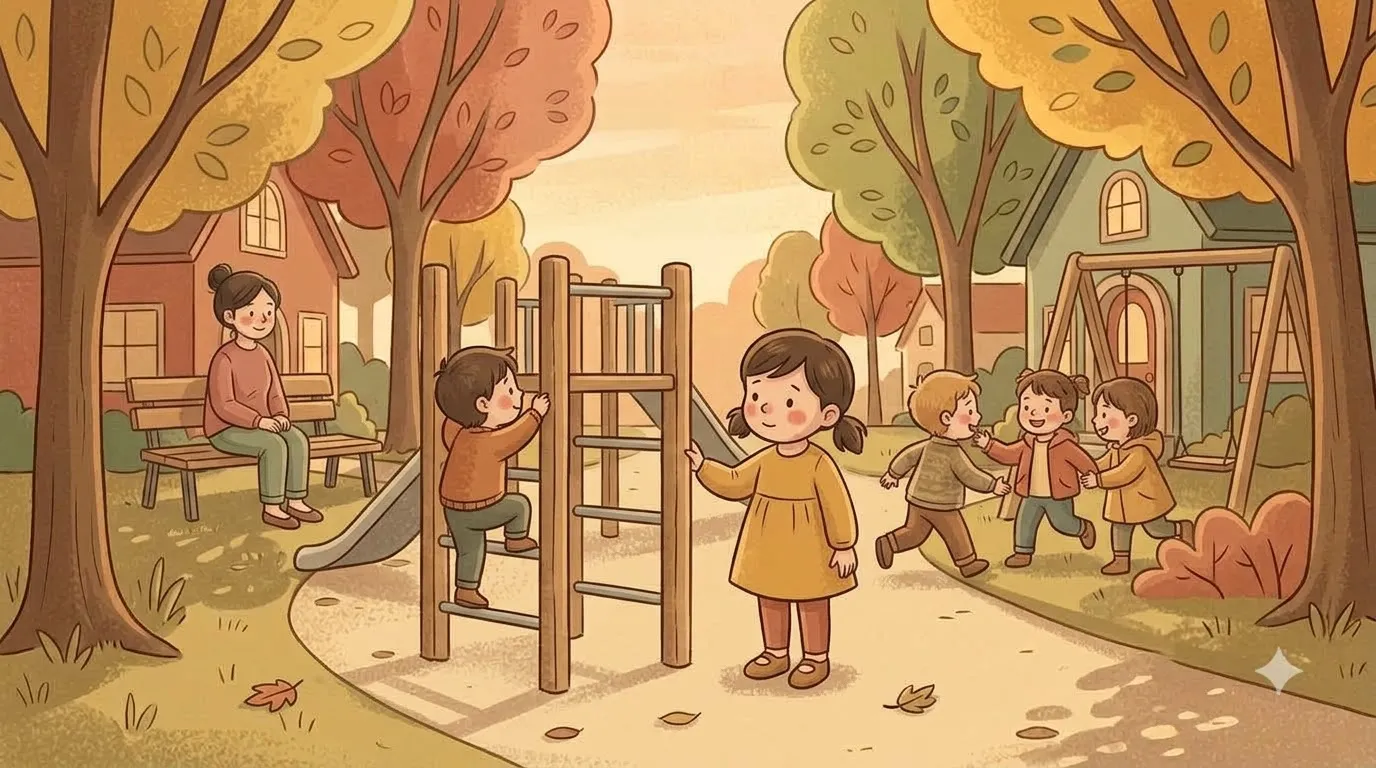
A group of children forms in about ninety seconds, somebody’s already shouting the rules of a game nobody agreed to, and your child is standing two metres away, holding onto the climbing frame, watching.
Not unhappy, exactly. Just outside it.
The instinct is to walk over and fix it — to say “go and ask if you can play” or, worse, to ask on their behalf. Both usually make it harder. What actually helps is slower, quieter, and mostly happens before you ever get to the playground.
So, How to Help Your Child Make Friends? Here’s what works, particularly for children who are shy or slow to warm up.
First: Work Out What You’re Actually Dealing With
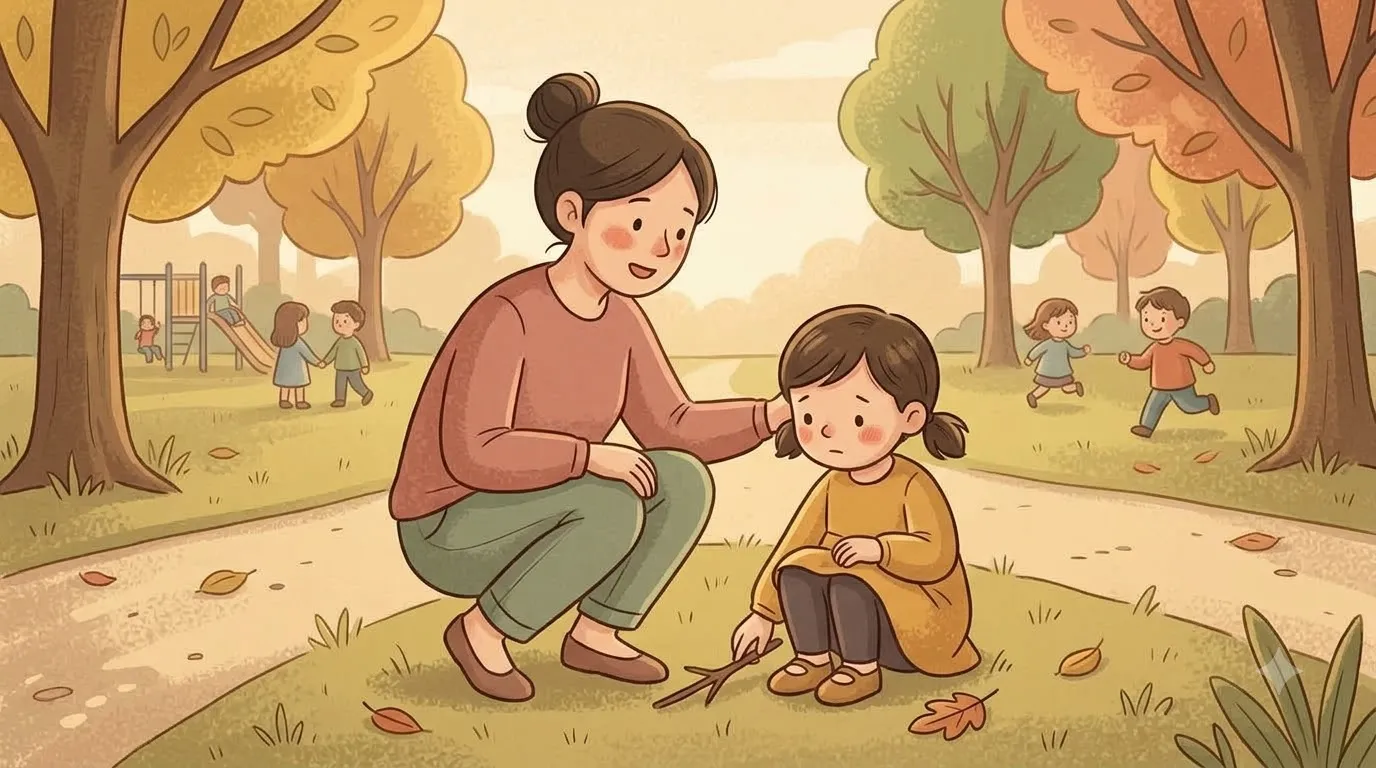
Shyness and social difficulty look similar from a bench but need different things.
A slow-to-warm-up child wants to join in and will, eventually, once they’ve watched long enough to understand what’s happening. Their hesitation is about entry, not interest. These children usually need time and a smaller setting, not coaching.
A socially anxious child is afraid of a specific outcome — being rejected, being laughed at, saying the wrong thing. The hesitation has fear underneath it, and they often avoid rather than observe.
A child who’s genuinely missing skills wants to join and tries, but goes about it in ways that don’t work — barging into games, talking at length about one topic, missing when another child has lost interest.
A child who’s simply content alone isn’t a problem to be solved at all. Some children are satisfied with one friend, or with their own company, and will be fine as adults with exactly that.
The strategies below are mostly aimed at the first three. Before using any of them, it’s worth asking honestly which one you’re looking at — and whether the discomfort you’re feeling is your child’s or your own.
Step 1: Stop Labelling Them as Shy
This one is free and makes a genuine difference.
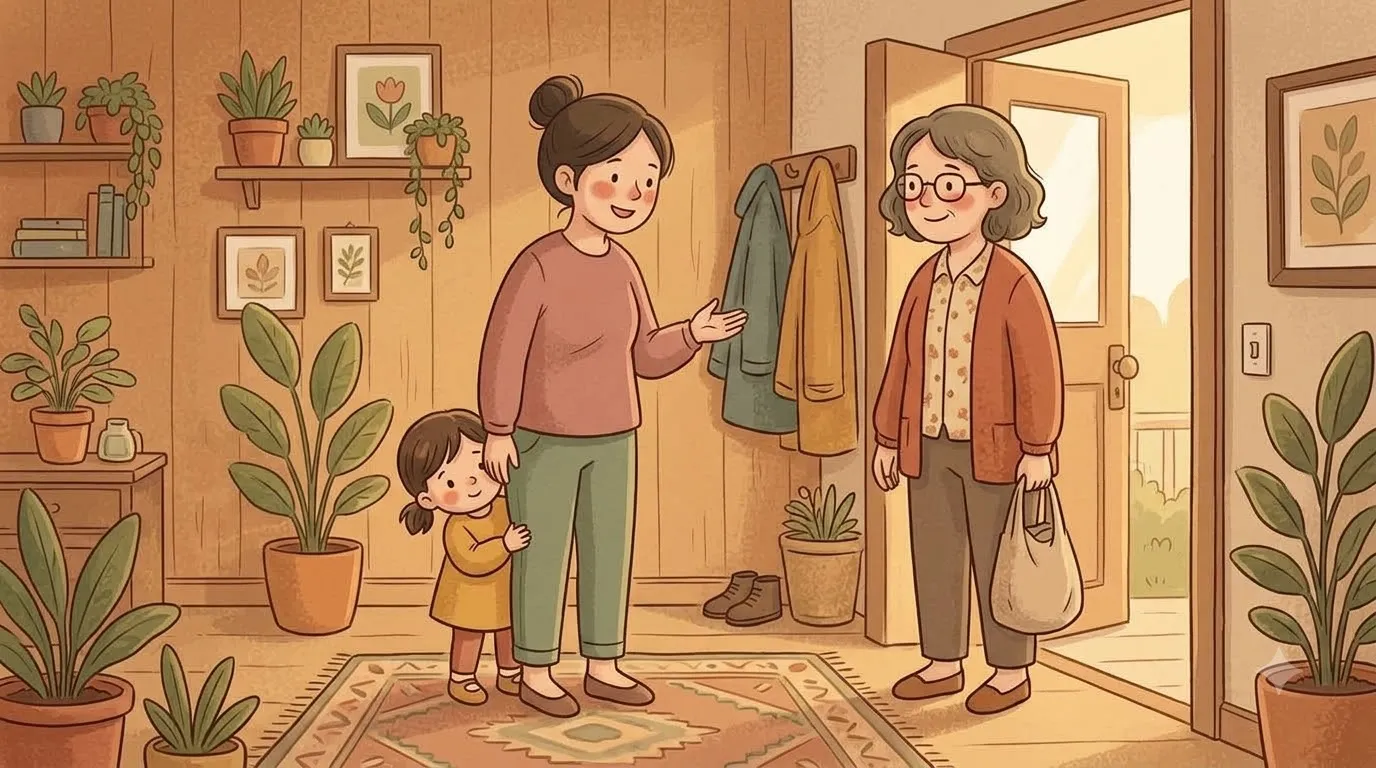
Most parents of a quiet child say it constantly, usually kindly and usually as an apology to other adults: “Oh, she’s shy.” The child hears it, repeatedly, from the person who knows them best. It becomes an identity rather than a state, and it also hands them a reason not to try.
Replace it with something temporary and specific. “She likes to watch first.” “He takes a while to warm up.” Both are true, neither is permanent, and the second one implies a process that ends.
If someone else labels them in front of you, you can simply redirect: “He’s just having a look first — he’ll come and say hi in a bit.”
Step 2: Choose One Friend Over a Group
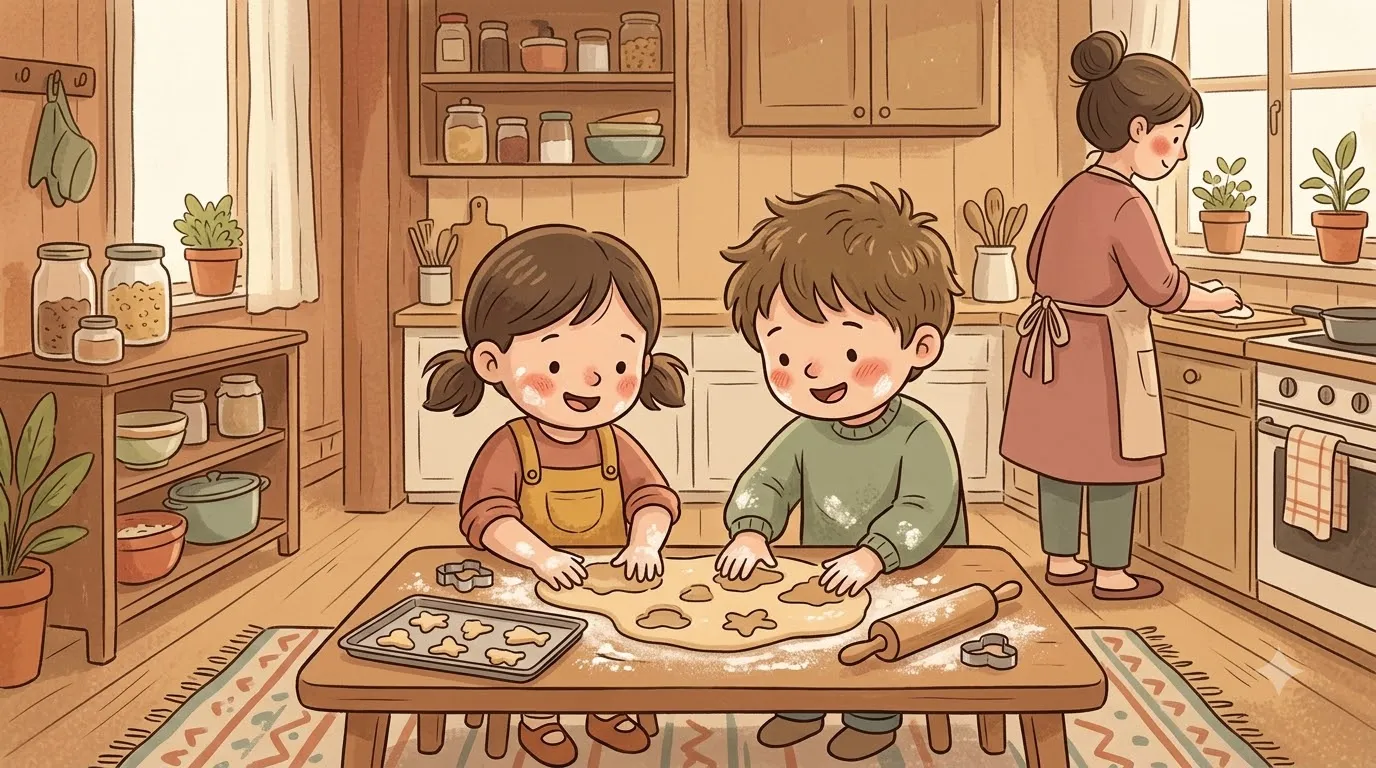
The single most effective intervention for a shy child is the one-on-one playdate. Not a party. Not the playground. One child, at your house, for about two hours.
Groups require a shy child to do the hardest thing — enter an existing dynamic — while one-on-one lets them do what they’re actually good at, which is connect properly with one person.
How to make it work:
- Let your child help choose. Ask who they sit near, who they like at school. Their answer is often different from who you’d have picked.
- Keep it short. Ninety minutes to two hours. End while it’s still going well rather than when everyone’s melting down.
- Host at home the first few times. Home advantage is real — your child knows where everything is and feels more confident as a result.
- Plan one shared activity before the free play starts. Baking, Lego, a craft, anything with a built-in structure. Structured activities carry a friendship through the awkward first twenty minutes.
- Put away anything precious. Nothing kills a developing friendship faster than a fight over the one toy your child can’t share.
Repetition matters more than variety. The same child, four or five times, builds an actual friendship. Five different children once each builds nothing.
Step 3: Teach the Entry Move
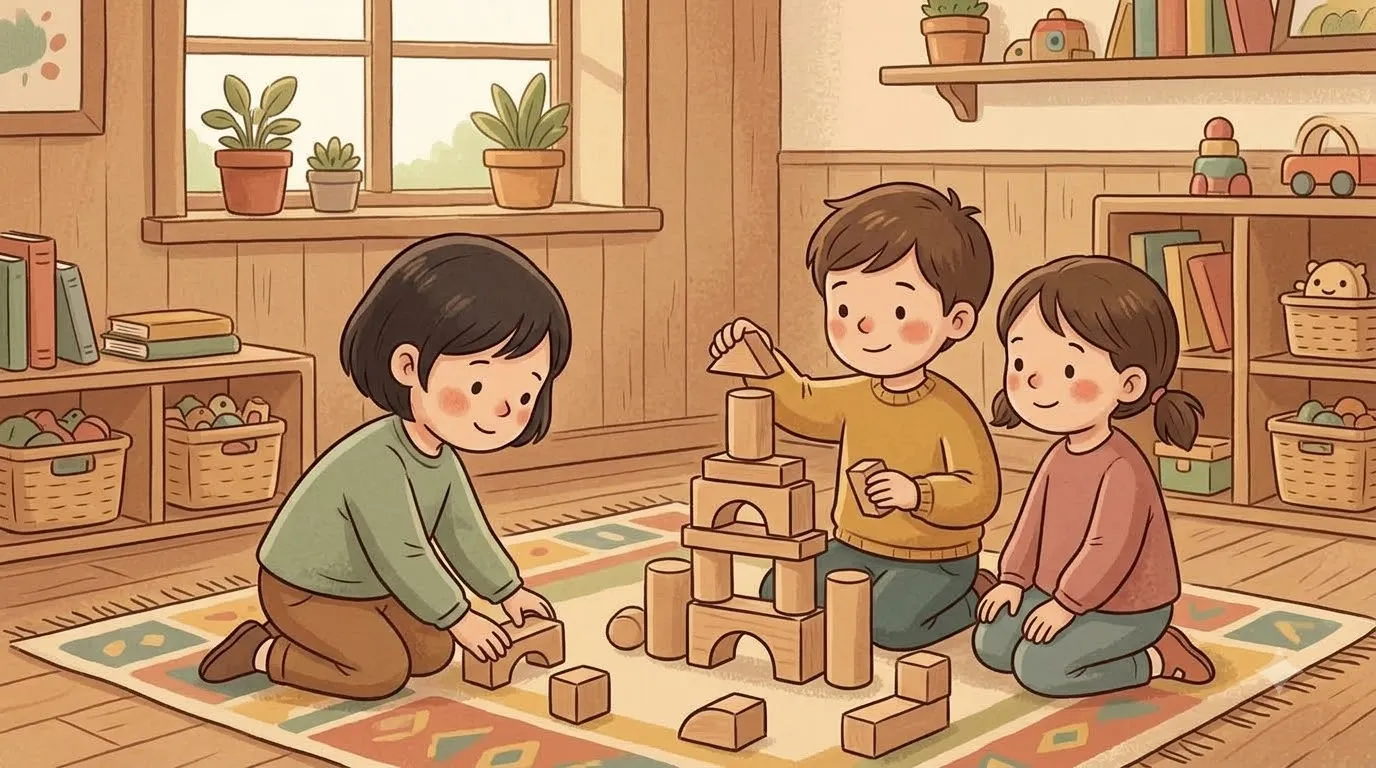
Joining a game in progress is a specific skill, and most children who struggle socially are struggling at exactly this moment. It’s also very teachable.
The thing most adults tell children to do — walk up and ask “can I play?” — is actually the weakest option. It’s a yes/no question, which means it can be answered with “no,” and it interrupts the game to make the group decide about an outsider.
What works better, in rough order:
- Watch first. Thirty seconds to a minute, standing nearby, working out what the game is. Children who skip this step join wrongly and get rejected.
- Do what they’re doing. Start building in the same area. Pick up a ball at the edge of the game. Parallel play is a legitimate on-ramp at any age.
- Say something about the game, not about joining. “That’s a big tower.” “Is that the baddie?” This is an invitation rather than a request, and it doesn’t require a verdict.
- Offer something useful. Handing over a block, retrieving a ball that’s rolled away, taking a role nobody wants.
Practise this at home through role play, with you as the group. It feels silly. It also works, because the hardest version of this is doing it for the first time in front of real children, and rehearsal takes the sting out.
Step 4: Make Rejection Survivable Rather Than Preventable
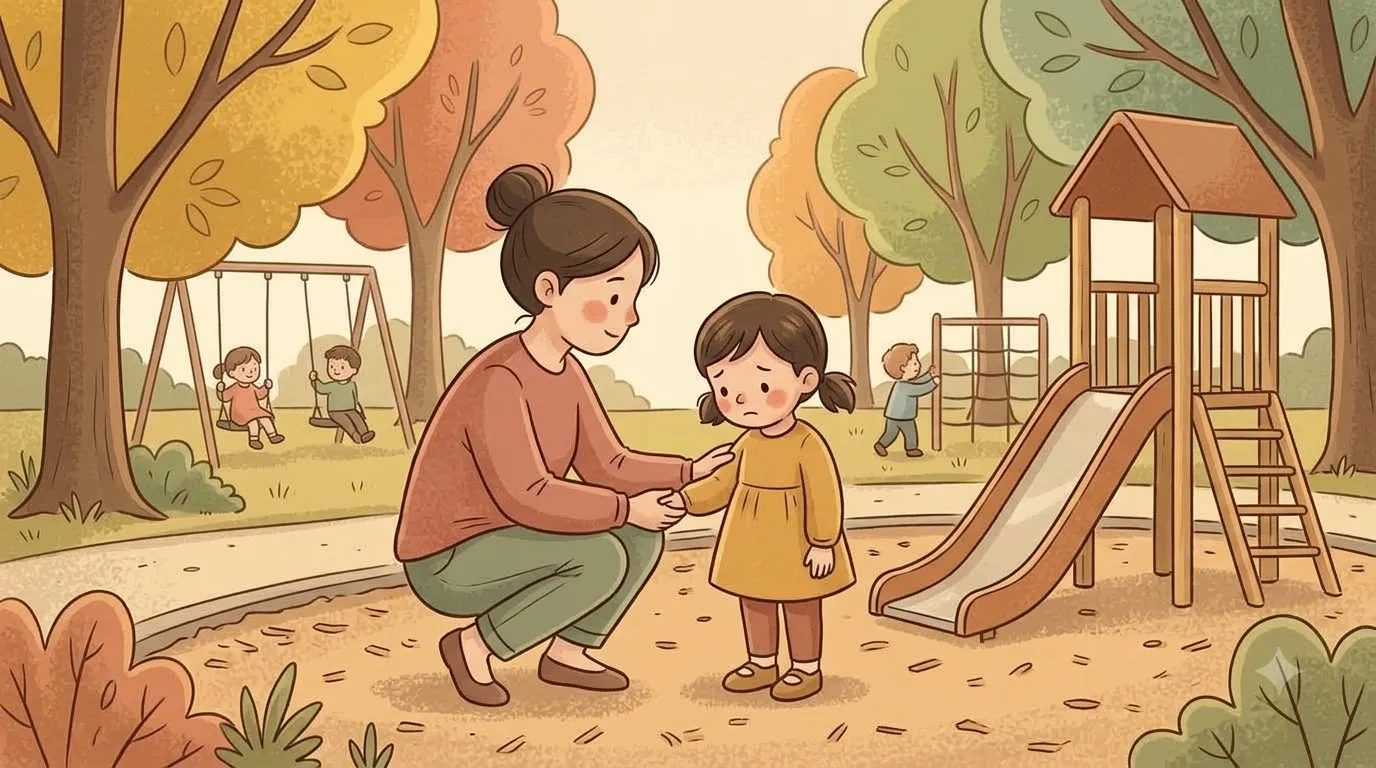
Your child will be told no. You cannot prevent this, and the attempt to prevent it is usually what makes children more fragile about it.
What you can do is make it ordinary.
Tell them in advance that sometimes children say no, and that it’s almost never about them — they’re mid-game, the teams are even, they’re about to go home. Give them a plan for the moment it happens: say “okay,” walk away, find something else, try again later or with someone else.
When it does happen, resist the two tempting responses. Don’t minimise it (“that doesn’t matter”) and don’t catastrophise it with them (“that was so unkind, let’s find someone nicer”). Name it plainly, let it be disappointing, and move on at a normal volume: “That’s annoying. Want to do the slide while we wait?”
Children take their reading of how serious an event is from your face.
Step 5: Use the Side-by-Side Rule
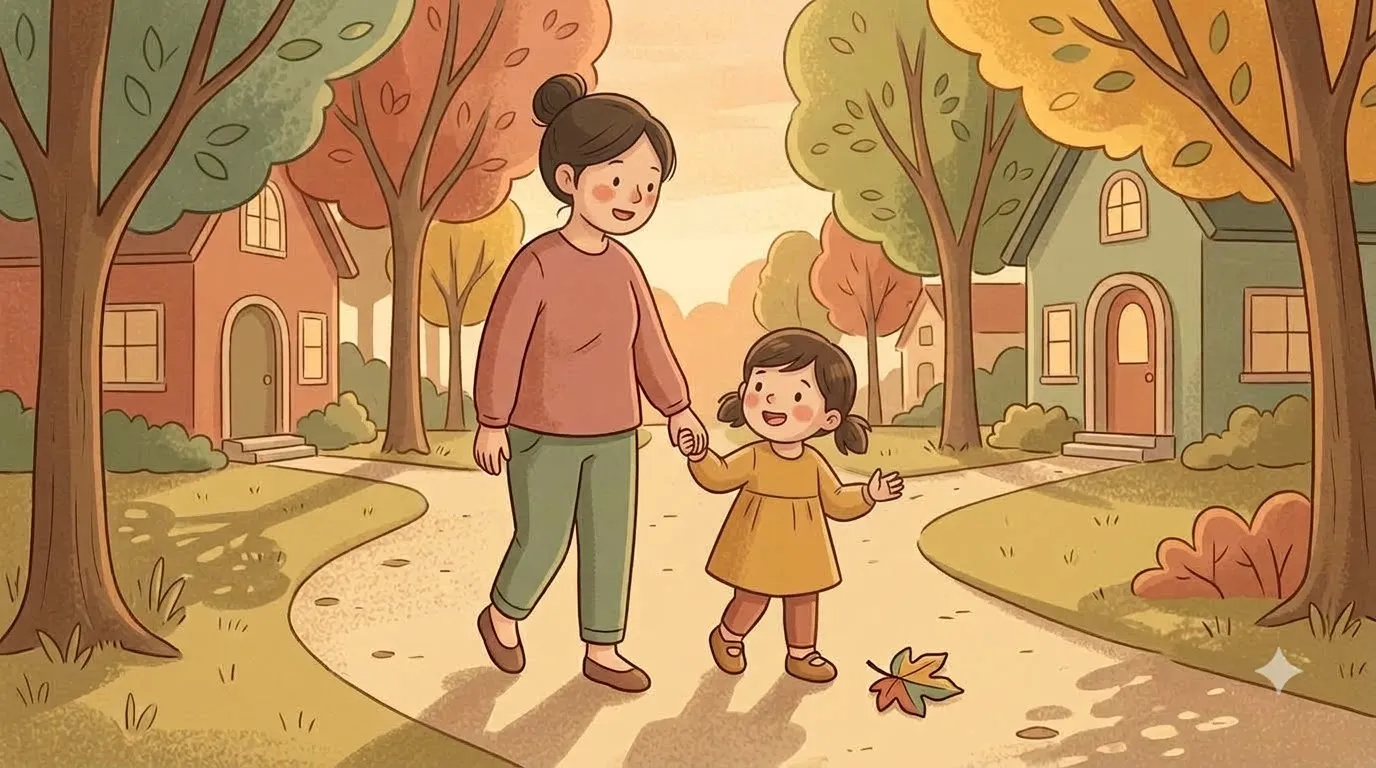
Children, especially reluctant talkers, open up when they’re doing something and not facing you. The car. Walking. Washing up. Lying in the dark at bedtime.
This is when you’ll find out what’s actually happening at school, and it’s when any coaching you want to do will land. A direct “did you play with anyone today?” over dinner usually gets you one word. The same question asked sideways, while you’re both doing something else, often gets you the whole story.
Useful questions that aren’t yes/no:
- “Who did you sit next to at lunch?”
- “What game was everyone playing today?”
- “Who’s the funniest person in your class?”
- “Was anyone being annoying today?”
That last one gets more honest answers than any question about friends.
Step 6: Get Them Into a Repeating Group Activity
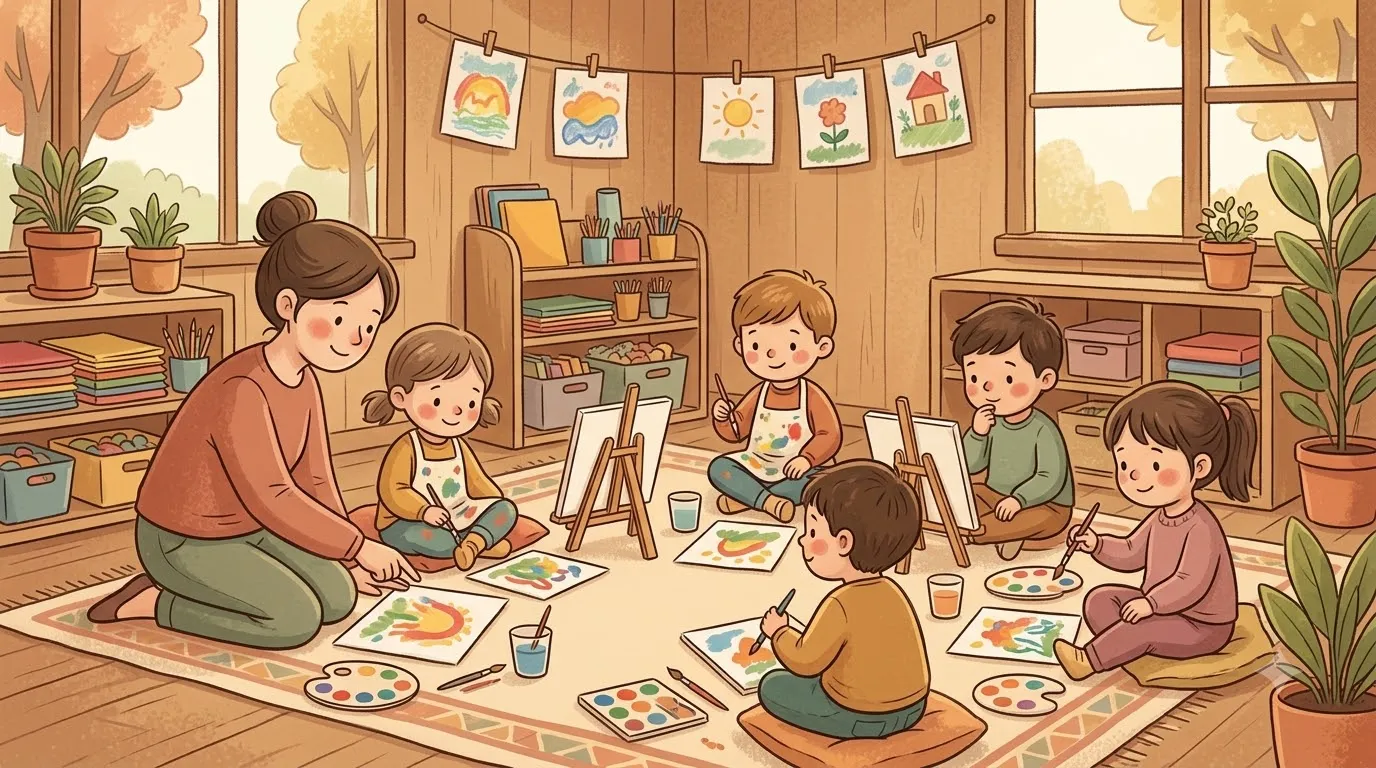
Friendships need repetition and a shared thing to do. A weekly class — swimming, football, art, anything — gives both.
For a shy child in particular, a structured activity solves the entry problem permanently. There’s no need to join anything, because they’re already in it. The adult running it does the organising, the format gives them something to talk about, and the same faces appear every week until they stop being strangers.
The activity itself matters much less than the fact that it repeats.
What Not to Do
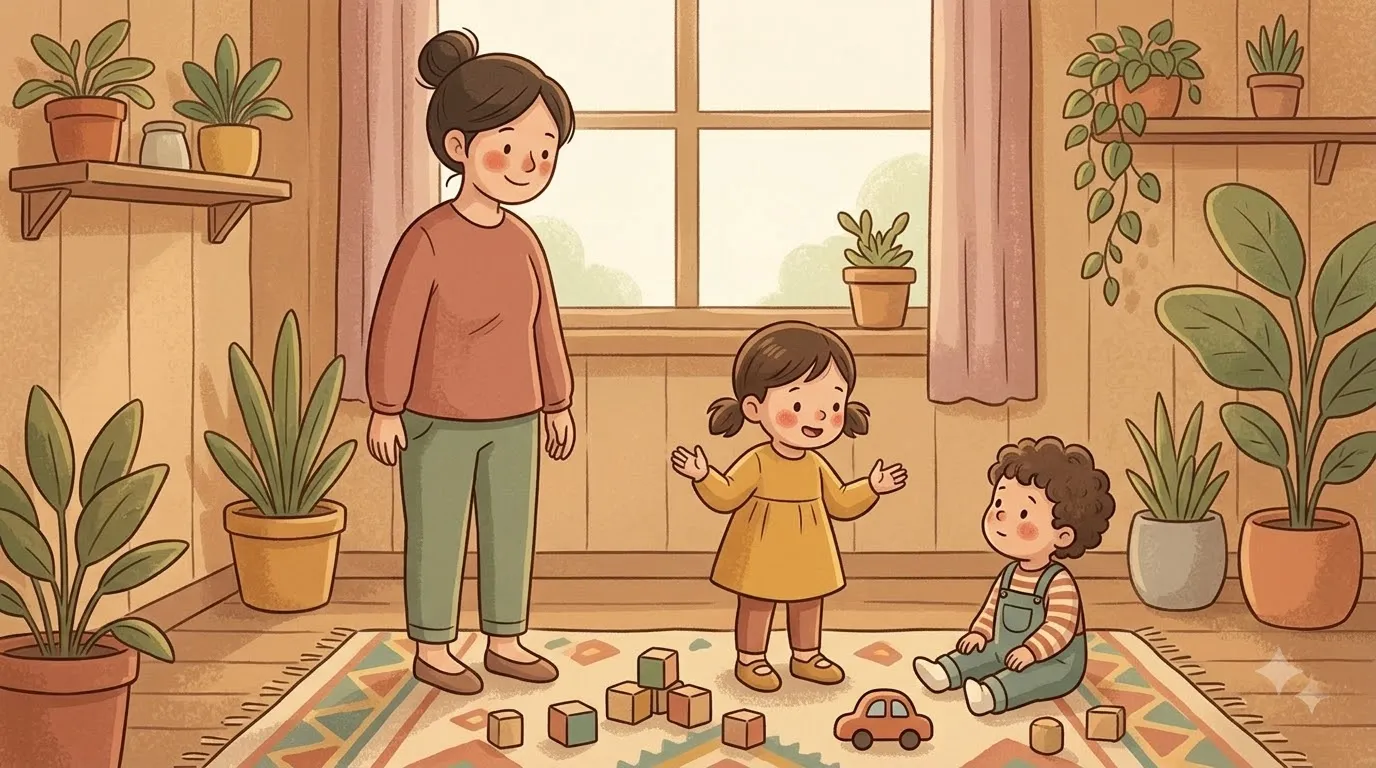
Don’t speak for them. When another child asks your child a question and there’s a silence, let the silence happen. Answering for them teaches them they don’t have to.
Don’t force an apology or a greeting in front of others. A child made to perform socially in front of an audience learns that social situations are humiliating.
Don’t arrange a friendship your child hasn’t shown interest in because the parent is a friend of yours, or because the child seems suitable. It rarely takes.
Don’t debrief every outing. “Did you make a friend?” after every playground trip turns play into an exam with a result.
Don’t compare, out loud, to a sibling or anyone else. It’s heard as a verdict about who they are.
When to Get Extra Help
Most quiet children do not need professional support. A few signs are worth raising with a teacher or GP:
- Distress rather than hesitation — crying, stomachaches, or refusing school over social situations
- No friends at all over a long period, combined with wanting them
- Being actively excluded or picked on, rather than simply not included
- Not speaking at all in some settings while speaking normally at home, which may be selective mutism and responds well to early support
- Difficulty reading other children’s cues that persists well past the age you’d expect
Raising it early tends to be low-cost and occasionally very useful.
The Slower Truth
Social skills develop at roughly the same uneven pace as everything else about children. The confident six-year-old at the centre of the playground isn’t necessarily the one with real friendships at twelve, and the child watching from the climbing frame often turns out to be the one who holds onto friends for decades.
What your child needs from you in the meantime is mostly not coaching. It’s the sense that there’s nothing wrong with them — that taking a while to warm up is a way of being, not a problem being managed.
They can feel the difference between those two, long before they could explain it.