



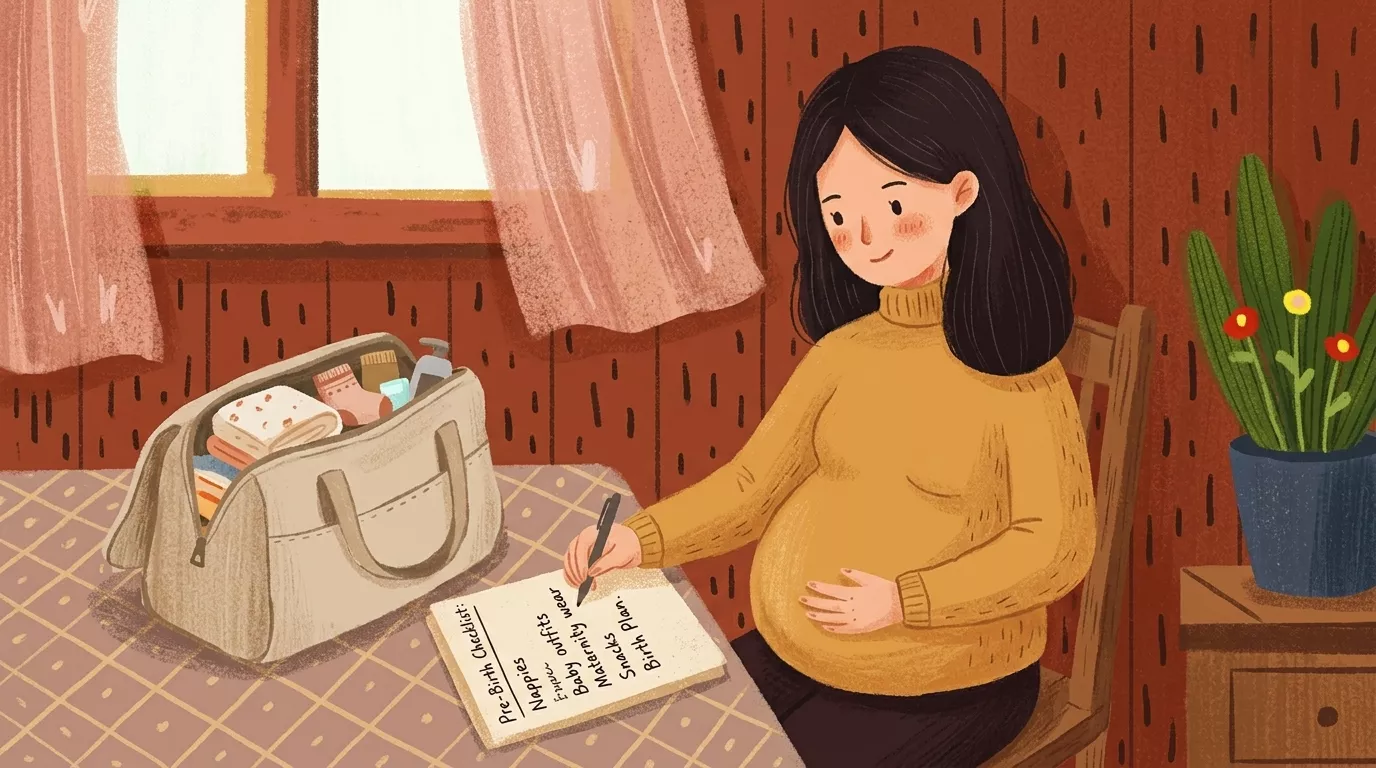
When I was nearing the end of my first pregnancy, I spent hours staring at an open suitcase on my bedroom floor. I had printed out three different checklists from the internet. I packed matching robes, five different swaddles, a portable fan, and enough snacks to survive a week in the wilderness.
I didn’t realize I was overcompensating for my own anxiety.
The truth is, when the day finally arrived, that heavy suitcase sat zipped up in the corner of my hospital room. I barely touched half of what was inside. Singapore hospitals, whether public or private, are incredibly well-equipped, and the nurses provide almost everything you and your baby need during those first few blur days.
When my second pregnancy came around, I knew I had to approach things differently. I wanted to pack light. I wanted to focus on comfort rather than aesthetic. If you are currently feeling overwhelmed trying to figure out what to actually pack in your hospital bag, this list is for you.
Here is what you actually need, stripped of all the noise.
For the Mother: Comfort Over Everything

Those first few days postpartum are raw. Your body has just done something miraculous, and it will be tired, sore, and healing. You do not need a fashion show; you need softness.
- Important Documents: Your NRIC, your spouse’s NRIC, marriage certificate (for birth registration), and any hospital admission letters or prenatal records. This is the only mandatory item.
- Cord Stem Cell Banking: If you are using a private cord blood bank, you only need to bring your private cord blood collection kit and the completed hospital consent forms/service agreements to the delivery suite. The collection kit is provided by your private bank (e.g., Cordlife, StemCord, or Cryoviva) during your second or third trimester.
- Front-Opening Pajamas or Button-Down Shirts: The hospital of your choice may or may not provide a gown, but by day two, you will likely want to wear your own clothes. Front-opening tops are essential for nursing and skin-to-skin contact.
- High-Waisted Disposable Panties: Hospitals provide mesh undies and thick maternity pads, but many mothers find disposable period panties much more comfortable and secure.
- Nursing Bras and Nipple Cream: Your breast milk might not fully come in right away, but nurses will provide firsthand guidance on latching, so a soft, wire-free nursing bra and a small tube of nipple balm will be your best friends.
- A Comfortable Going-Home Outfit: Choose something loose and flowy. A gentle reminder: you will still look about six months pregnant when you leave the hospital, and that is completely normal and beautiful.
- Your Essential Toiletries: Hospitals provide soap and shampoo, but bringing your own face wash, moisturizer, and lip balm brings a small sense of normalcy. Hospital air conditioning can also dry out your skin very quickly.
For the Baby: Less is More
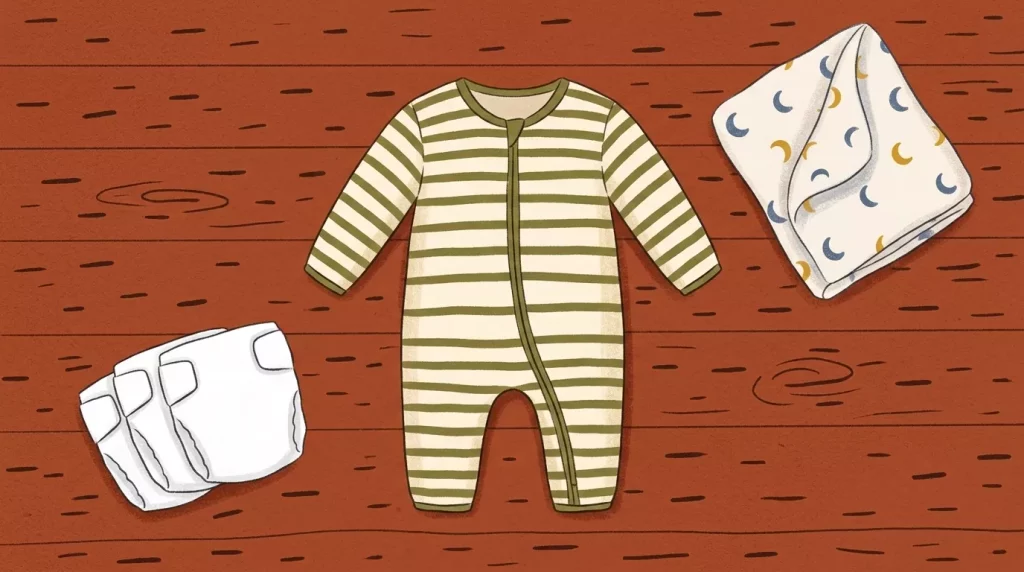
It is so tempting to pack multiple adorable outfits for your newborn. But the reality is, during your hospital stay, your baby will likely remain swaddled in the hospital’s provided clothes. They are soft, practical, and washed by the hospital which means less laundry for you to bring home.
- One Going-Home Outfit: A simple zipper onesie. Zippers are much easier to navigate than tiny buttons when you are functioning on two hours of sleep.
- One Swaddle or Blanket: For the car ride home. Singapore is warm, but malls, hospitals, and cars can be chilly.
- An Installed Car Seat: This isn’t going in the bag, but it is non-negotiable. You cannot drive your baby home without one.
For the Partner: The Unsung Support System

We talk so much about what the mother needs that we sometimes forget the partner who will be sleeping on a fold-out chair, running errands, paperwork, and holding your hand through it all.
- A Warm Jacket: Hospital wards in Singapore are notoriously freezing, especially in the middle of the night.
- A Long Charging Cable or Power Bank: The plug is rarely conveniently located right next to the bed. You will be taking hundreds of photos and sending updates to family; you need battery life.
- Easy Snacks and Mints: Labor can be long. Having quick snacks keeps their energy up without needing to leave your side to hunt for the hospital cafeteria.
What You Can Leave at Home
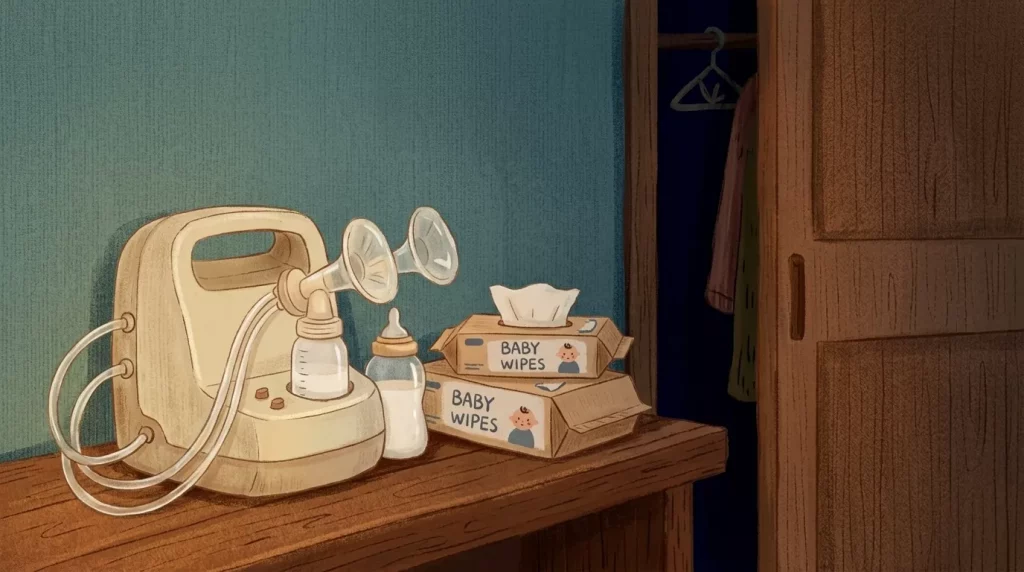
Sometimes, peace of mind comes from knowing what not to carry.
You do not need to bring a breast pump. If you need one during your stay, the hospital lactation consultants will provide a hospital-grade pump for you to use. You do not need to pack hundreds of newborn diapers, wet wipes, or baby bath products as the hospital provides a starter pack that is more than enough for your stay.
Final Thoughts

Packing the hospital bag is often a nesting ritual. It is a physical way of preparing for an emotional transition. It is okay if you throw in that one extra blanket or that special matching robe just because it makes you feel safe.
But if you are feeling overwhelmed by the endless lists online, take a deep breath.
The hospital will have the medical supplies.
Your baby will have you.
And in those quiet, overwhelming, beautiful first days, that is truly all that matters.