



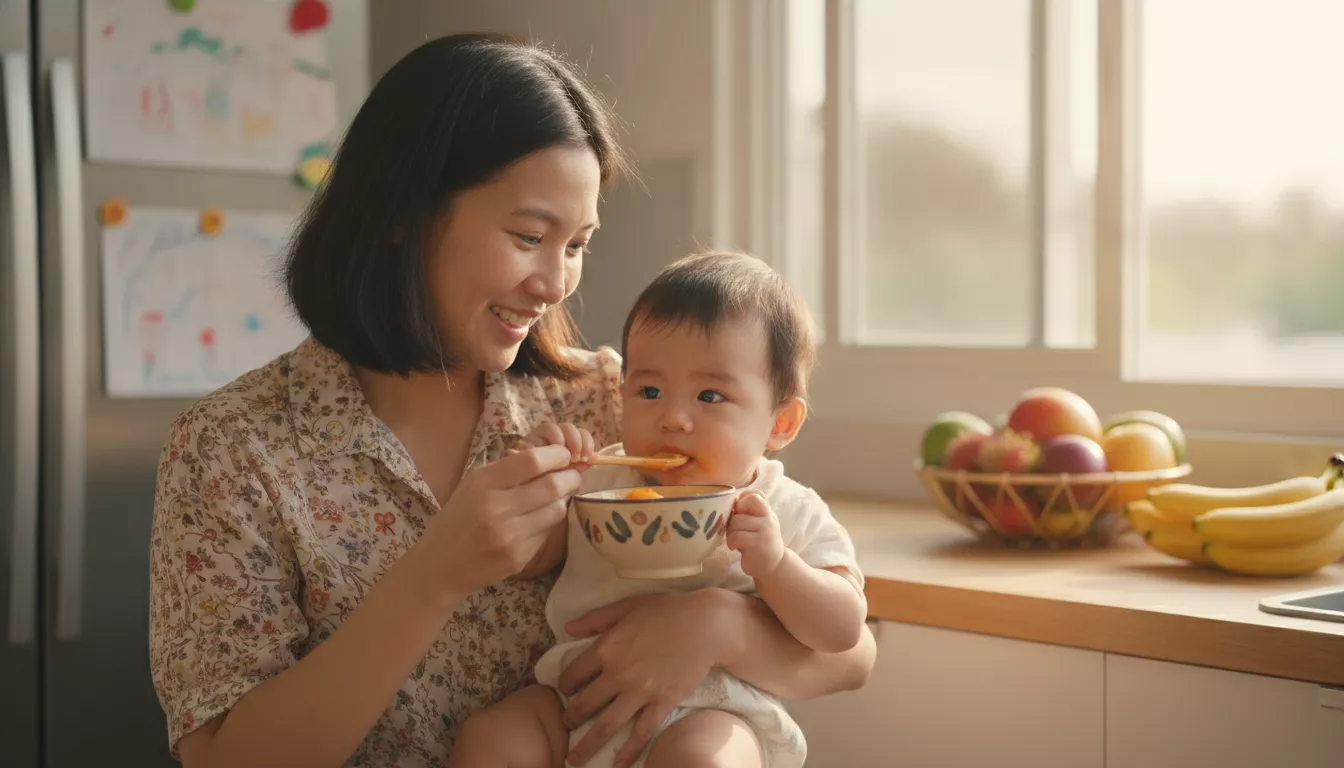
Parenthood in Singapore is a beautiful journey, but let’s be honest, it comes with its fair share of expenses! One area where many new parents feel the pinch is baby food. With imported purées and specialized organic options, the costs can quickly add up. But what if we told you that you could give your little one the healthiest, most nutritious meals without breaking the bank, right here in Singapore?
The secret lies in embracing our vibrant local produce! Singapore offers a treasure trove of fresh, affordable, and incredibly healthy ingredients that are perfect for your baby’s weaning journey. Not only will you save money, but you’ll also be introducing your child to a delicious array of flavours, often fresher than their imported counterparts.
Why Go Local for Baby Food?
Choosing local ingredients for your baby’s meals isn’t just a budget-friendly move; it’s a smart one for several reasons:
- Freshness & Nutrition: Local produce often travels shorter distances from farm to table, meaning it retains more nutrients and is at its peak freshness.
- Cost-Effectiveness: Typically, local fruits and vegetables are more affordable than imported options, especially when bought in season.
- Supporting Local: You’ll be helping to support local farmers and businesses, contributing to our community’s sustainability.
- Reduced Environmental Footprint: Shorter transport distances mean less carbon emissions – good for your baby and the planet!
 Embrace the goodness of local produce for your baby’s meals!
Top Budget-Friendly Local Ingredients for Baby Food in Singapore
Let’s dive into some fantastic local ingredients you can easily find in Singapore, perfect for tiny tummies:
1. Fruits (Naturally Sweet & Nutritious)
- Papaya: Soft, naturally sweet, and packed with vitamins A and C, papaya is excellent for early weaning. It’s also known to aid digestion.
- Banana: A classic first food! Bananas are soft, easy to mash, and a good source of potassium and energy. Widely available and affordable.
- Dragon Fruit: Visually appealing and mild in flavour, dragon fruit is rich in antioxidants and fibre. Ensure it’s ripe and soft before mashing.
- Watermelon: For older babies (8+ months) who can handle some texture, watermelon is hydrating and refreshing. Remove all seeds and serve in small, manageable pieces or purée.
2. Vegetables (Packed with Vitamins & Minerals)
- Sweet Potato: A versatile favourite! Sweet potatoes are naturally sweet, creamy when mashed, and loaded with beta-carotene (Vitamin A).
- Pumpkin: Another nutrient powerhouse, pumpkin is soft, has a lovely mild flavour, and is great for purées or mixed with other veggies.
- Spinach (e.g., Kangkong, Bayam): Local leafy greens like kangkong and bayam are excellent sources of iron and vitamins. Steam and blend them into a smooth purée.
- Cai Xin: A mild-flavoured Chinese leafy green, cai xin can be steamed and puréed, offering a good dose of vitamins and minerals.
- Broccoli: While sometimes pricier, local broccoli can be found. It’s rich in vitamin C and fibre. Steam until very soft and mash well.
3. Proteins & Carbohydrates (Building Blocks for Growth)
- Tofu: An excellent plant-based protein source. Soft tofu can be easily mashed or blended into purées.
- Eggs: Once your baby is ready for solids, eggs are an economical and complete protein. Ensure they are well-cooked. (Always consult your paediatrician regarding egg introduction, especially with family history of allergies.)
- Brown Rice: A great source of complex carbohydrates and fibre. Cook until very soft and blend into a smooth porridge or congee.
- Lentils/Mung Beans: These legumes are fantastic for protein and fibre. Cook until very soft and mash or blend into purées or soups.
Smart Tips for Preparing Local Baby Food
Making your baby’s food from scratch can be rewarding and simpler than you think:
- Batch Cooking: Dedicate an hour or two on weekends to prepare larger batches of purées. Freeze them in ice cube trays for easy portioning.
- Simple Preparation: Most local ingredients just need to be steamed or boiled until soft, then mashed or blended to the appropriate consistency for your baby’s age.
- Introduce New Flavours Slowly: Introduce one new ingredient at a time and wait a few days before introducing another to check for any reactions.
- Mix and Match: Once your baby is comfortable with individual ingredients, start mixing them to create new, exciting flavour combinations! Sweet potato with spinach, or papaya with banana, anyone?
- Food Safety First: Always wash produce thoroughly, ensure hands and utensils are clean, and cook ingredients to the right temperature.
Where to Find Your Local Treasures
You can find fresh local produce at various spots in Singapore:
- Wet Markets: Dive into the bustling atmosphere of a local wet market for the freshest (and often cheapest) seasonal produce. Don’t be afraid to ask vendors for recommendations!
- Local Supermarkets: Major chains like NTUC FairPrice and Sheng Siong often have dedicated sections for local produce.
- Online Grocers: Several online platforms specialize in sourcing directly from local farms, delivering fresh goods to your doorstep.
Budgeting Beyond Ingredients: Smart Family Finance for Baby Food
Beyond choosing local ingredients, here are more ways to keep your baby food budget in check:
- Meal Planning: Plan your baby’s meals for the week to avoid impulse buys and food waste.
- Buy in Season: Seasonal produce is typically more abundant, fresher, and cheaper.
- Avoid Processed Baby Snacks: While convenient, these can be expensive. Opt for fresh fruit slices or homemade rusks.
- Utilize Leftovers (Safely): If you’re cooking a family meal with baby-friendly ingredients, portion out a small amount for your baby before seasoning.
Embrace the Local Goodness!
Feeding your baby healthy, delicious food doesn’t have to be a financially daunting task. By harnessing the amazing local produce Singapore has to offer, you can provide nutritious meals that are kind to your wallet and exciting for your little one’s palate. It’s all about making informed choices and getting a little creative in the kitchen!
What are your favourite local ingredients for baby food, or do you have any clever budgeting tips to share? We’d love to hear from you in the comments below!