


Like many of us, I was raised to believe that obedience was the ultimate virtue of a good child. Respect was often synonymous with fear, and discipline meant punishment. When I became a mother, I promised myself I would do things differently. I wanted my home to be a place of open communication. I wanted to be the calm, gentle mother I had read so much about in modern parenting books.
Then, my child turned two.
During one particularly exhausting evening, my toddler threw his entire plate of dinner onto the floor because I handed him the blue cup instead of the red one. In that split second, all my reading and preparation vanished. I felt a surge of anger rise in my chest, and the instinct to yell, the exact instinct I had sworn to unlearn was overwhelmingly strong.
It was in that messy, spaghetti-covered moment that I realized something crucial. Reading about positive discipline is easy. Actually practicing it when you are exhausted, triggered, and running on empty is one of the hardest things you will ever do.
Many mothers I speak to feel the exact same way. They look at the cultural expectations around us and wonder: is gentle parenting realistic for Asian families?
The short answer is yes, but it requires us to completely redefine what discipline actually means.
The Misconception of “Permissive” Parenting
When people hear the terms “gentle parenting” or “positive discipline,” they often roll their eyes. There is a massive misconception that it means letting your child run the house, never saying no, and negotiating with a toddler like they are a hostage taker.
That is not positive discipline. That is permissive parenting.
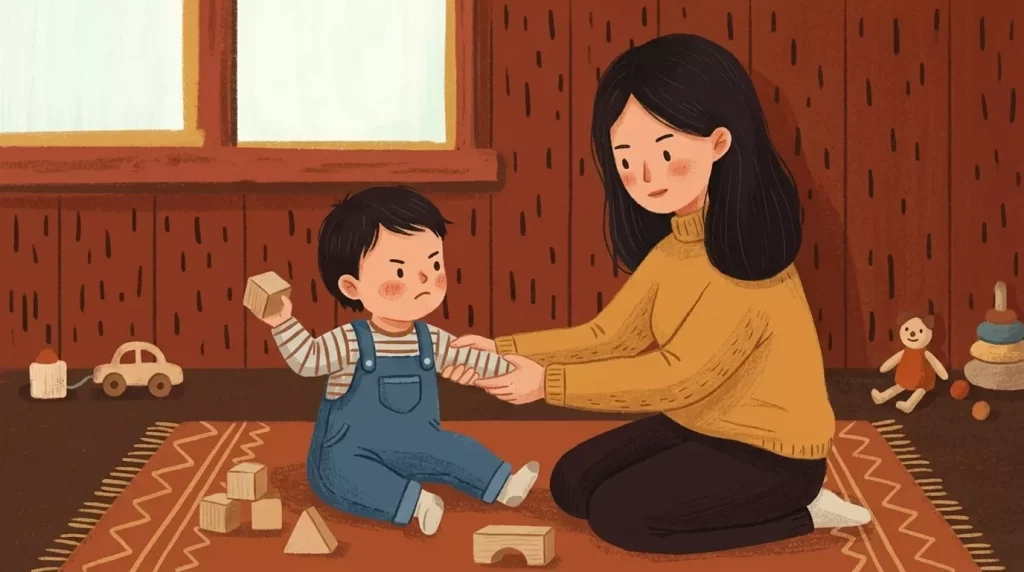
Positive discipline is not the absence of boundaries. In fact, it requires stronger boundaries. The difference lies in how those boundaries are enforced. Traditional discipline focuses on making a child feel bad so they will behave better. Positive discipline focuses on teaching a child how to manage their behavior while keeping their dignity intact.
It is the shift from “Go to your room, you are being naughty” to “I will not let you hit me. I am going to move your hands. You are mad, but hitting is not safe.”
The boundary (no hitting) remains absolute, but the delivery changes from punishment to guidance.
Is This Realistic for Asian Families?

This is a question that weighs heavily on many of us. We are raised in cultures that deeply value filial piety, respect for elders, and saving face. When your child has a public meltdown in a restaurant, the cultural pressure to shut it down immediately often through intimidation or shaming, is immense.
Choosing positive discipline often means going against the grain of how our own parents raised us. It can feel like a lonely path, especially when relatives make comments about your child being “spoiled” or you being “too soft.”
But making it realistic for our families starts with understanding that respect is a two-way street. We can honor our cultural values of family and community without passing down the generational trauma of fear. We can teach our children to respect their elders because they understand empathy, not because they are terrified of the consequences.
It is realistic, but it is a slow process of unlearning for the parent, rather than just training for the child.
Connection Before Correction
If there is only one rule you remember about positive discipline, let it be this: you cannot teach a drowning child how to swim.
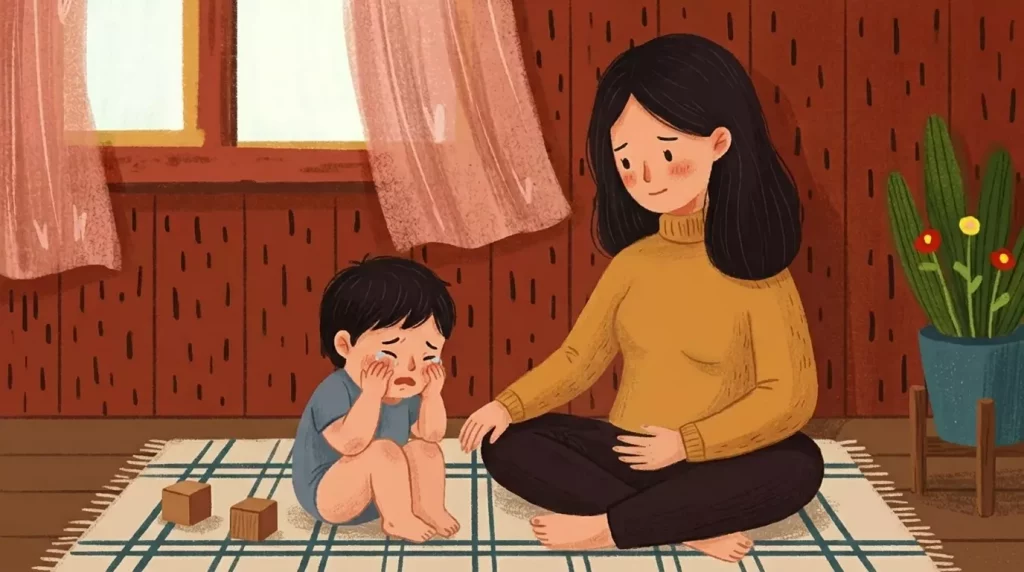
When a child is in the middle of a tantrum, their logical brain is entirely offline. They are operating from their emotional center. If you try to lecture, reason, or punish them in that moment, you are only adding water to a sinking ship.
Before you can correct the behavior, you must connect with the child.
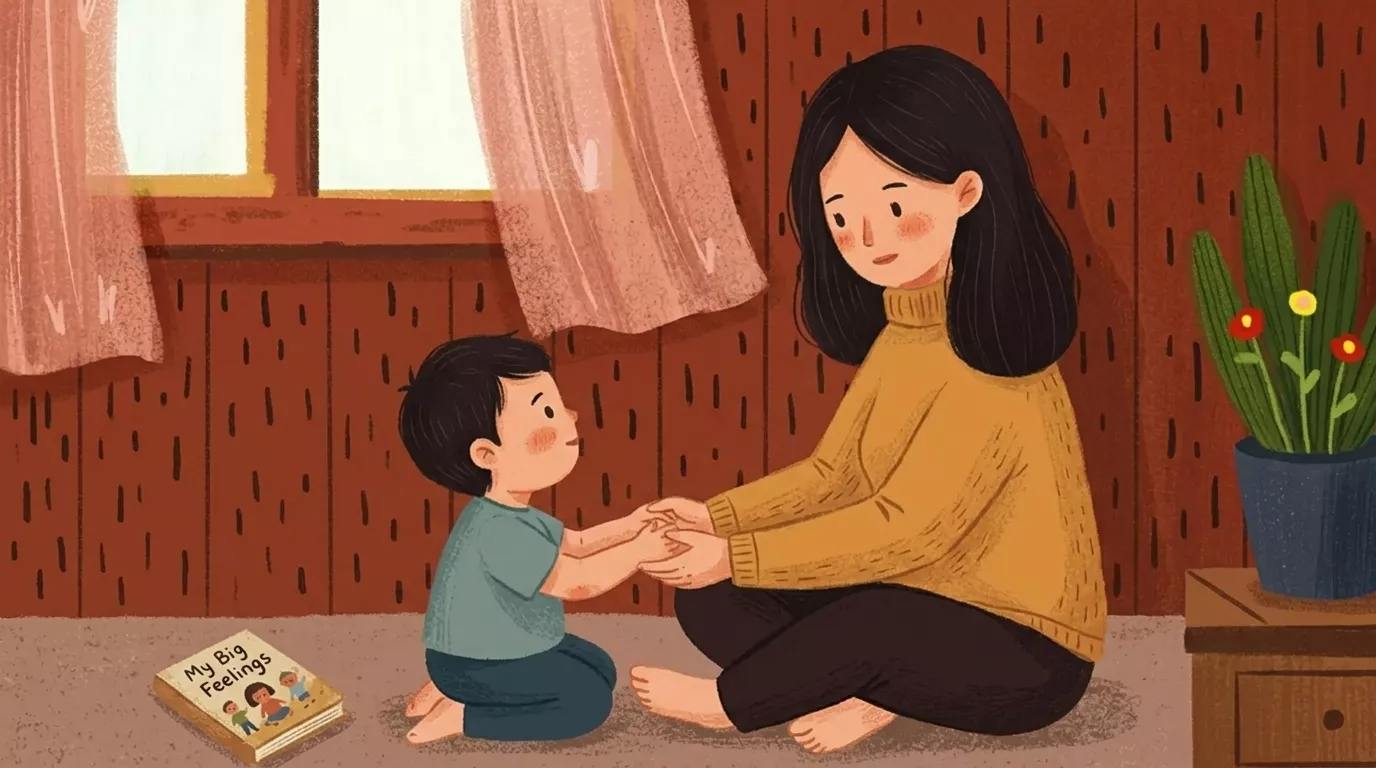
Sometimes, connection looks like getting down on their eye level and simply saying, “You are so frustrated right now.” Sometimes it looks like sitting quietly next to them while they cry. Once the storm passes and their nervous system regulates, then you teach the lesson.
Using Logical Consequences
Positive discipline removes arbitrary punishments and replaces them with logical consequences.
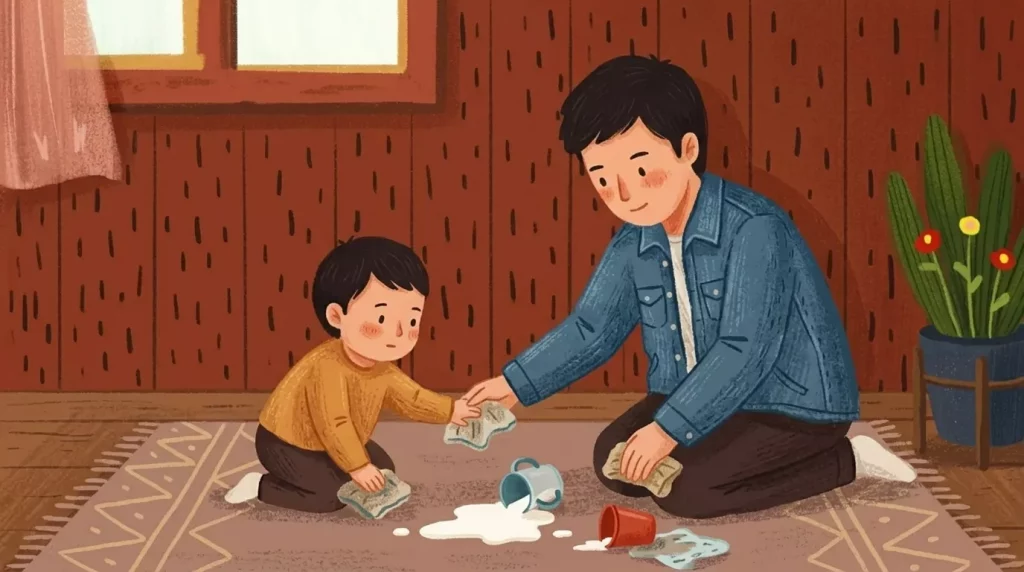
If a child purposefully spills their milk, sending them to the naughty corner teaches them nothing about the spilled milk. It only teaches them that making a mistake means isolation.
A logical consequence is directly related to the action. If you spill the milk, the consequence is that we have to clean it up together. If you throw your toy at your sister, the toy goes away for the afternoon because it is not being used safely.
The focus shifts from “How can I make them suffer for what they did?” to “What is the lesson they need to learn here?”
The Importance of the Repair
This is perhaps the most beautiful part of this parenting journey.
You will mess up, lose your temper and might yell. You will have days where you revert to the exact parenting style you are trying to break away from.
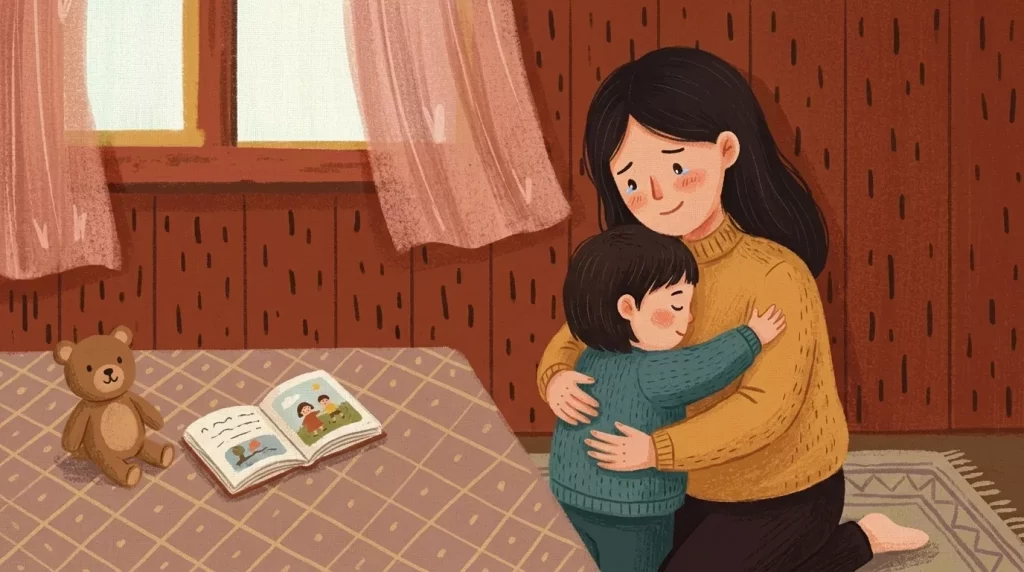
When that happens, the goal is not to dwell in guilt, but to repair the situation.
Going to your child after you have calmed down and saying, “I am sorry I yelled earlier. I was feeling very frustrated, but it is not okay for me to yell at you. I will try to do better next time,” is incredibly powerful.
Our parents rarely apologized to us. By apologizing to our children, we are modeling accountability. We are showing them that humans make mistakes, and that love is strong enough to survive a rupture.
Positive discipline is not about being a perfect parent. It is about being a growing one. It is about choosing, day after day, to guide our children with the grace and patience we often wish we had been given ourselves.