


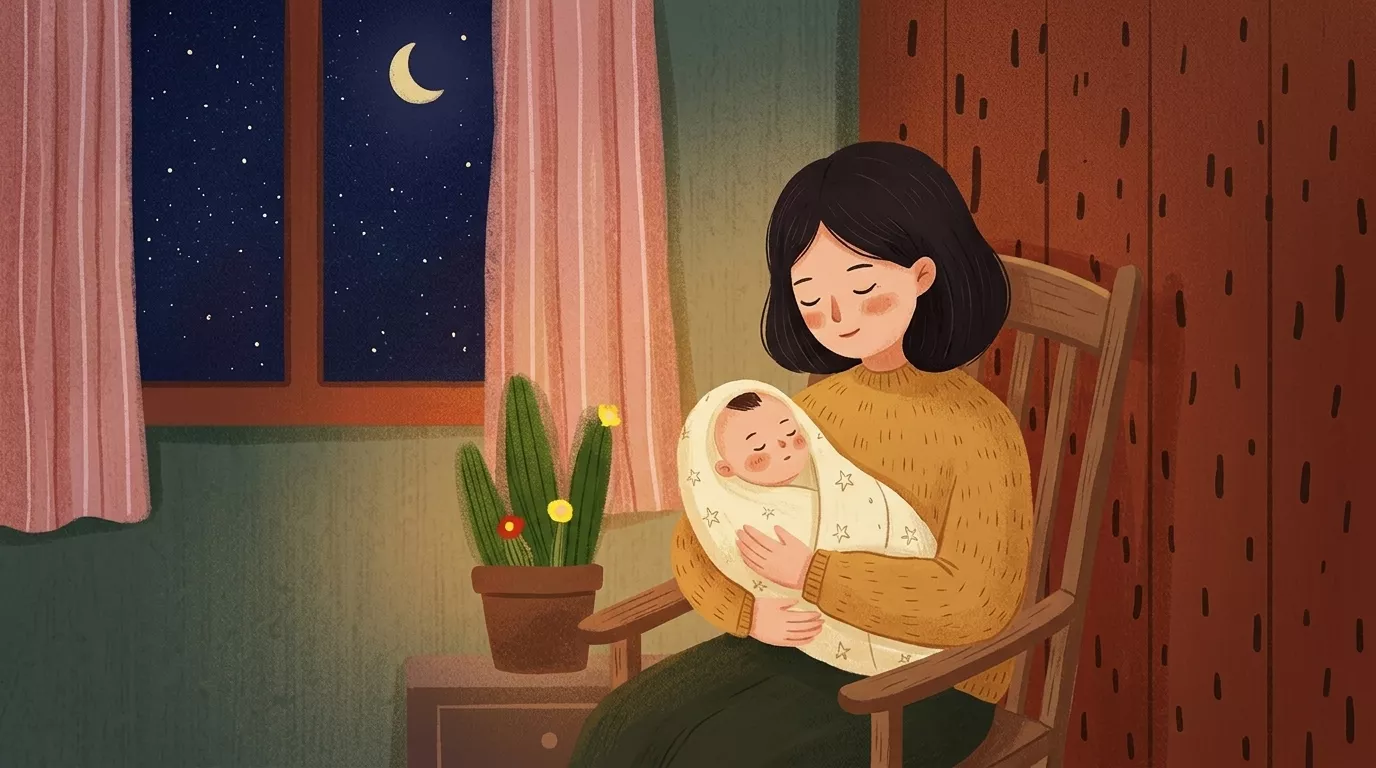
During the first few months of my child’s life, I spent countless nights staring at the ceiling in the dark. I was exhausted in a way I had never experienced before. I remember rocking my baby, watching his eyes finally close, gently laying him down, and tip-toeing away, only to hear him crying exactly forty-five minutes later.
I questioned the temperature of the room. I wondered if he was hungry. I searched the internet for a magical sleep training method that would fix everything. The more I read, the more anxious I became. Everyone seemed to have an opinion, but very few people offered what I actually needed: reassurance.
It wasn’t until I stopped looking for a “fix” and started trying to understand what was actually happening inside his tiny developing brain that I finally found peace. If you are reading this at 3:00 AM, feeling completely drained and wondering why do newborns wake every 2 hours science explained simply, I want you to know this:
You are not failing. Your baby is not broken. They are simply doing exactly what they were designed to do.
The Architecture of Sleep
Before becoming a mother, I thought sleep was just sleep. You close your eyes, you rest, you wake up.
I didn’t realize that sleep has a structure. For adults, sleep is a deep, long cycle. We move through light sleep, into deep, restorative sleep, and then into REM (Rapid Eye Movement) sleep, where we dream. An adult sleep cycle lasts about 90 to 120 minutes. When we transition between these cycles, we might briefly wake up—to shift positions or pull up a blanket—but we usually fall right back asleep without even remembering it.
A baby’s sleep cycle is entirely different.
A newborn’s sleep cycle only lasts about 45 to 60 minutes. More importantly, they spend almost half of that time in light, active sleep (REM sleep).
Why Light Sleep is Crucial for Babies

At first, this seemed like a cruel trick of nature. Why would a baby, who needs so much rest to grow, spend so much time in a state where they are easily awakened by a creaky floorboard or their own startle reflex?
The answer lies in survival and development.
During that active, light sleep phase, a baby’s brain is doing incredible work. It is building neural pathways. It is processing the vast amount of new information they took in while awake. The high amount of REM sleep is essential for their rapid brain growth.
Furthermore, light sleep is a protective mechanism. Because newborns have immature nervous systems, spending too much time in deep sleep can actually be dangerous for them. Waking frequently is nature’s way of ensuring they can signal you if they are hungry, too cold, or uncomfortable.
They wake up because their bodies are protecting them.
The 45-Minute Intruder
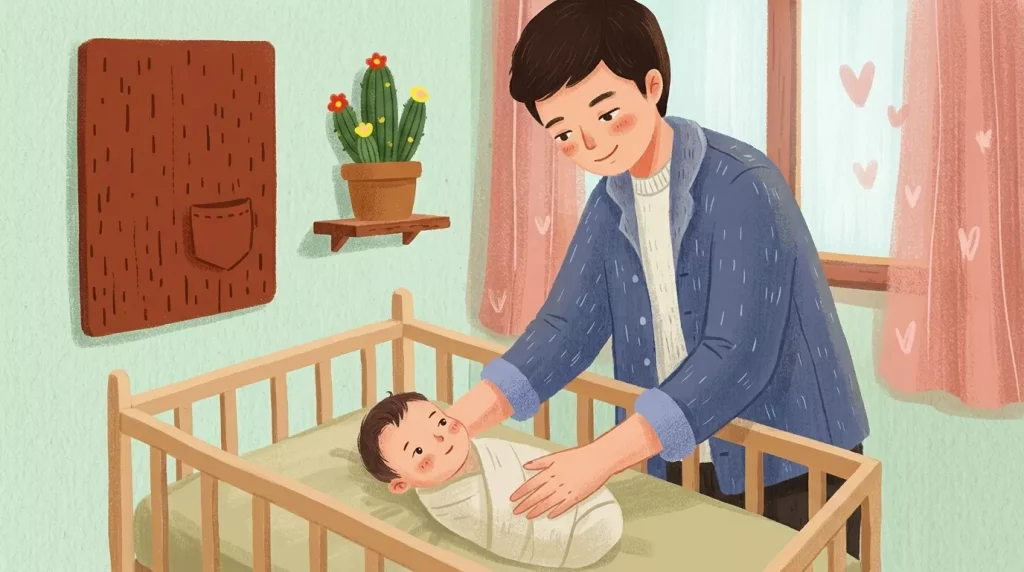
Understanding this structure helped me make sense of the dreaded “45-minute nap.”
When a baby reaches the end of their short sleep cycle, they experience a partial arousal. As adults, we smoothly connect one cycle to the next. But babies have not learned this skill yet. When they wake up at the end of a cycle, they look around. They realize the environment has changed.
If they fell asleep in your warm arms and wake up alone in a cool crib, it is alarming to them. They cannot simply roll over and go back to sleep. They need help recreating the conditions that made them feel safe enough to fall asleep in the first place.
This is why they cry for you. They are not trying to manipulate you; they are simply asking for help to bridge the gap between sleep cycles.
Letting Go of “Should”
The hardest part of navigating infant sleep was not the sleep deprivation itself, but the expectations I placed on myself. I felt like my baby should be sleeping longer. I felt like I should have a better routine.
I had to learn to quiet the noise.
I stopped comparing my child’s sleep to the charts I found online. I started tuning out the well-meaning advice from relatives who insisted that a baby should sleep through the night by three months.
I realized that holding my baby through a sleep cycle was not “creating a bad habit.” It was offering comfort during a season of immense vulnerability.
A Season That Passes
Eventually, their sleep architecture changes. Their cycles lengthen. They spend more time in deep sleep. They learn how to connect those cycles independently. It doesn’t happen overnight, and it isn’t perfectly linear, but it does happen.
If you are in the thick of it right now, I know how heavy the nights can feel.
You are allowed to feel exhausted. You are allowed to wish for a solid block of rest. But please, try not to carry the burden of guilt alongside your exhaustion.
Your baby is waking because their brain is growing. They are calling for you because you are their safe place. You are doing beautiful, exhausting, necessary work, even in the middle of the night.
And little by little, the nights will get easier.