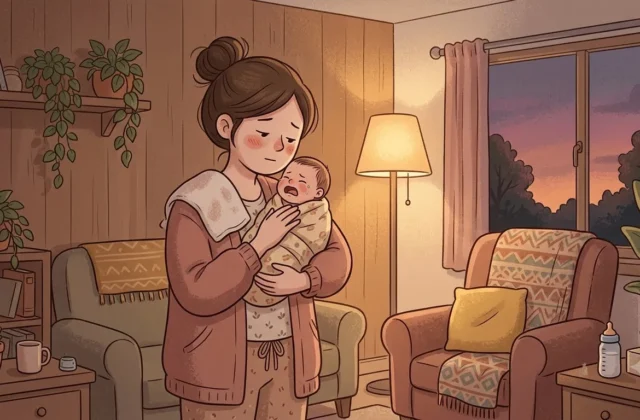



Two lines appeared clearly, but I did not react the way I thought I would. I did not scream with excitement or immediately start planning the nursery. Instead, I sat there quietly, holding the test in my hand, trying to understand how something I wanted so badly could also make me feel so afraid.
After my miscarriage, I imagined that getting pregnant again would bring relief. I thought another positive test would feel like a fresh start, a sign that my body was ready and that maybe the hardest part was behind me. But pregnancy after loss was much more complicated than that. It came with joy, but it also came with fear. It came with gratitude, but also with memories I could not easily set aside.
Getting pregnant again after miscarriage fears and feelings can be difficult to explain to someone who has not lived through it. People may expect you to feel happy, and you may feel happy, but that happiness often sits beside worry. Every symptom feels important. Every appointment feels heavy. Every week that passes can feel like a small victory, but also a reminder of how much you are afraid to lose.
My second pregnancy taught me that healing does not always look peaceful. Sometimes healing looks like checking for symptoms too often, crying before appointments, avoiding baby clothes for months, and slowly learning to hope again even when your heart is still trying to protect itself.
The Day I Found Out I Was Pregnant Again
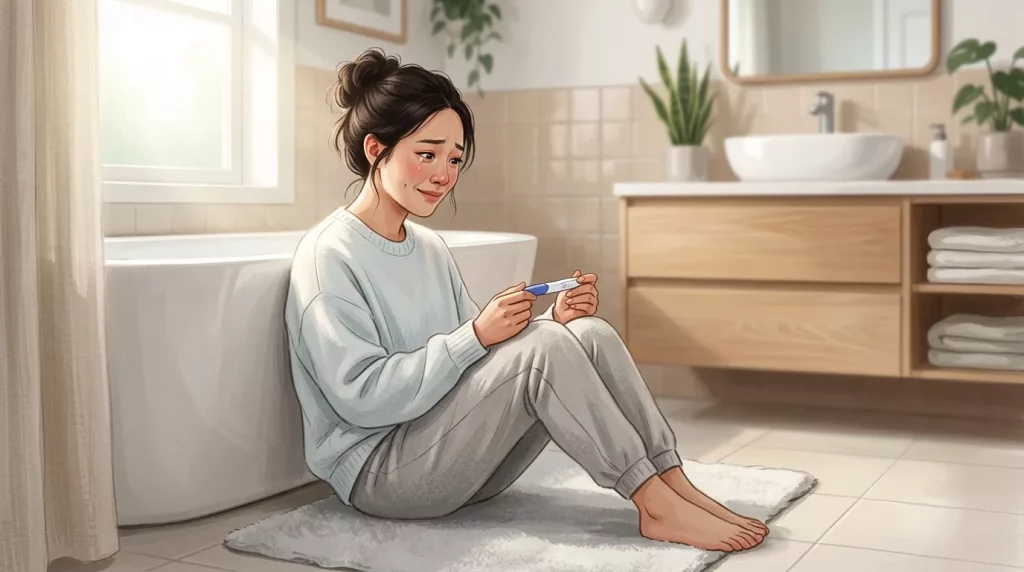
When I saw the positive test, my first feeling was not pure joy. It was shock, followed quickly by fear. I wanted to feel excited, but a part of me was already preparing for bad news. I remember wondering if it was too early to be happy, as if allowing myself to feel hopeful might somehow make the loss hurt more if something went wrong again.
That was one of the hardest parts of pregnancy after miscarriage. I wanted to celebrate this new life, but I was also afraid of becoming too attached. I told myself to stay calm, to wait until the first appointment, then the first ultrasound, then the heartbeat, then the end of the first trimester. There was always another milestone I needed to reach before I felt I had permission to breathe.
Looking back, I wish I had been gentler with myself. At the time, I thought my fear meant I was not grateful enough. Now I understand that fear was not the opposite of gratitude. It was part of loving something deeply after already knowing how painful loss could be.
Why This Pregnancy Felt So Different
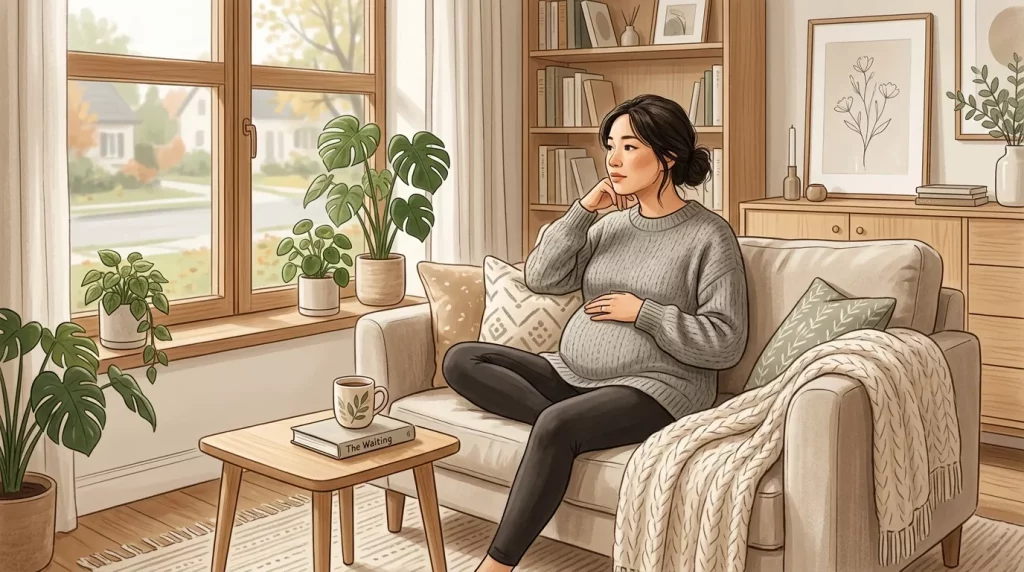
My first pregnancy had been filled with a kind of innocence I did not realize I had until it was gone. I made plans easily. I imagined the future without questioning every detail. I trusted my body without needing constant reassurance. After my miscarriage, that sense of ease disappeared.
During my second pregnancy, every small change in my body made me anxious. If I felt nauseous, I worried. If I did not feel nauseous, I worried even more. If I had cramping, I feared the worst. If a symptom faded, I wondered if something was wrong. It felt as though my mind was always searching for evidence, trying to protect me from being surprised by pain again.
Pregnancy after loss can make it difficult to feel safe in your own body. Even when everything is going well, your past experience can make it hard to trust the present moment. I often had to remind myself that a previous loss did not mean this pregnancy would end the same way, even though my heart had trouble believing it.
Living From Appointment to Appointment
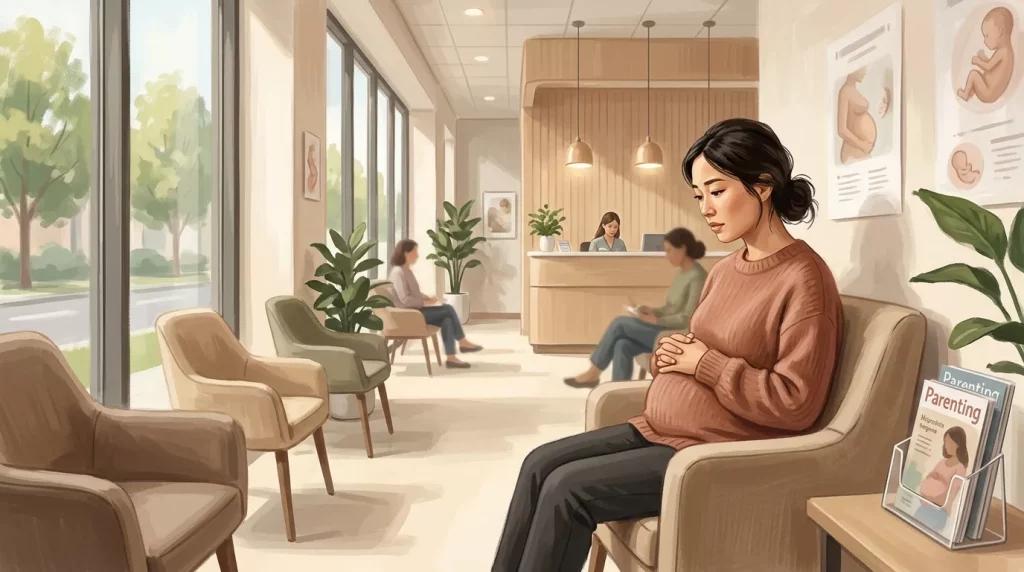
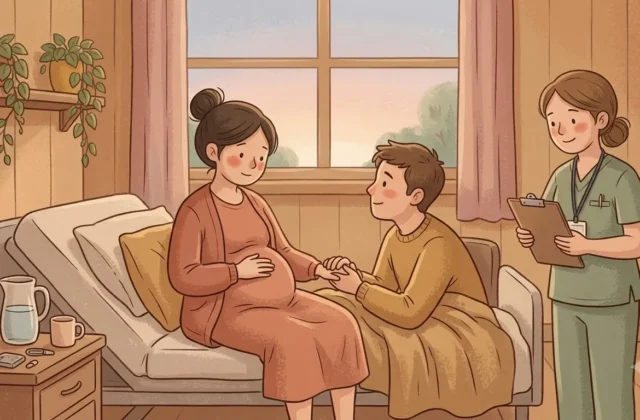
In the early weeks, my entire emotional state seemed to depend on the next appointment. I would feel anxious for days leading up to it, then relieved after hearing good news, only to feel the fear return again a few days later. Reassurance helped, but it never lasted as long as I wanted it to.
The waiting was one of the most difficult parts. Waiting for blood test results, waiting for ultrasound dates, waiting to hear the heartbeat, waiting to feel movement. Pregnancy already requires patience, but pregnancy after loss can make patience feel almost impossible.
I learned that I needed to be honest with my provider about my anxiety. I had spent so much time trying to appear calm that I did not always admit how scared I really was. Once I started sharing my fears, I felt less alone. My doctor could not promise me a perfect outcome, but being heard made the experience feel more manageable.
The Fear of Getting Attached
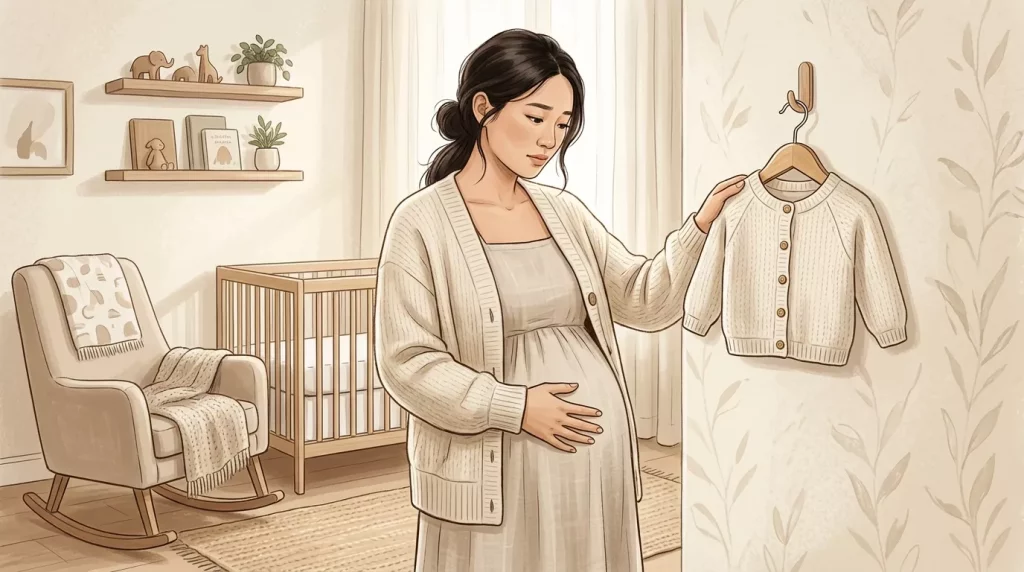
For a while, I avoided doing things that would make the pregnancy feel too real. I did not want to buy baby clothes. I did not want to talk about names. I hesitated before telling people. I thought that if I kept some emotional distance, I might protect myself from being hurt again.
But emotional distance did not remove the fear. It only made me feel lonely inside my own pregnancy.
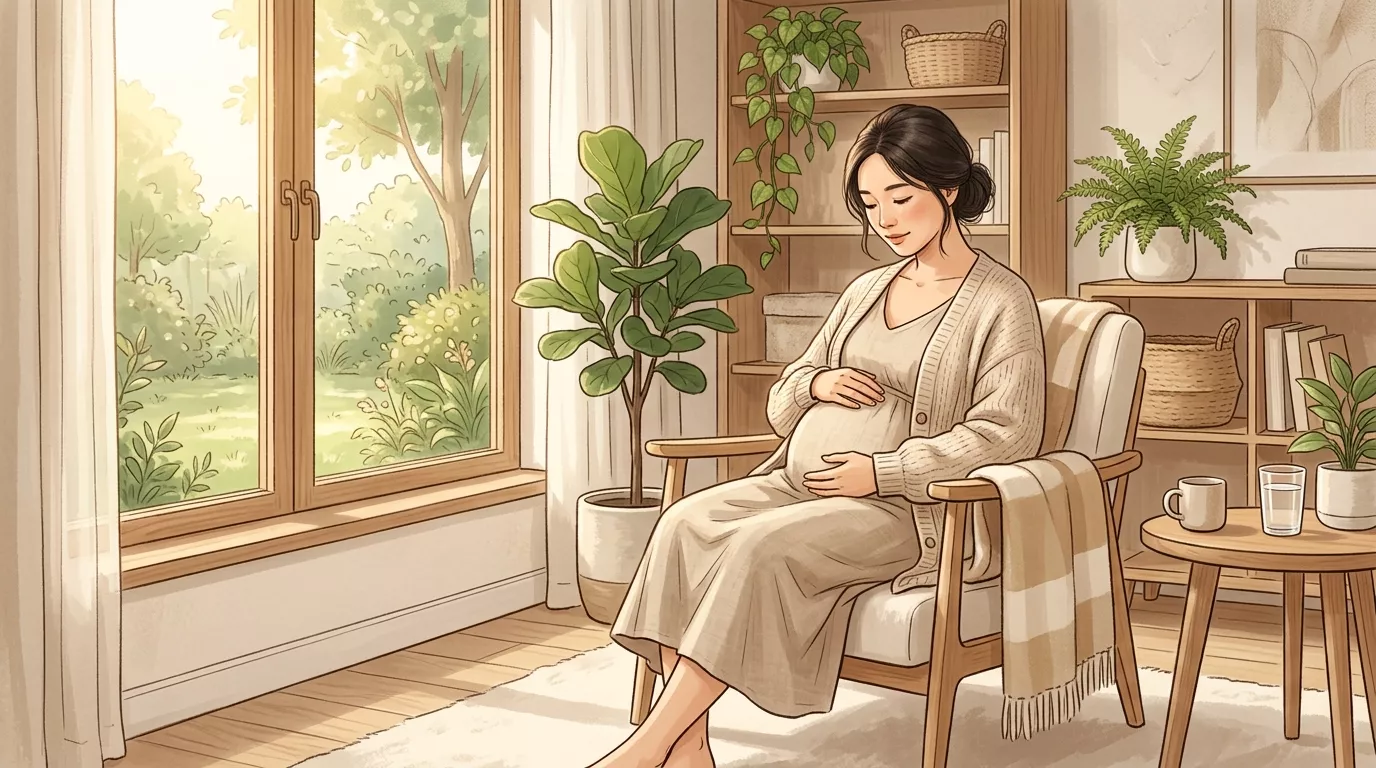
Slowly, I began allowing myself small moments of connection. I placed a hand on my belly before bed. I saved one baby item I loved. I let myself imagine holding this baby, even if the thought made me emotional. These moments did not erase my anxiety, but they reminded me that this pregnancy deserved tenderness too.
I realized I did not have to choose between protecting my heart and loving my baby. I could be afraid and still be connected. I could be cautious and still be hopeful.
Learning to Take It One Day at a Time
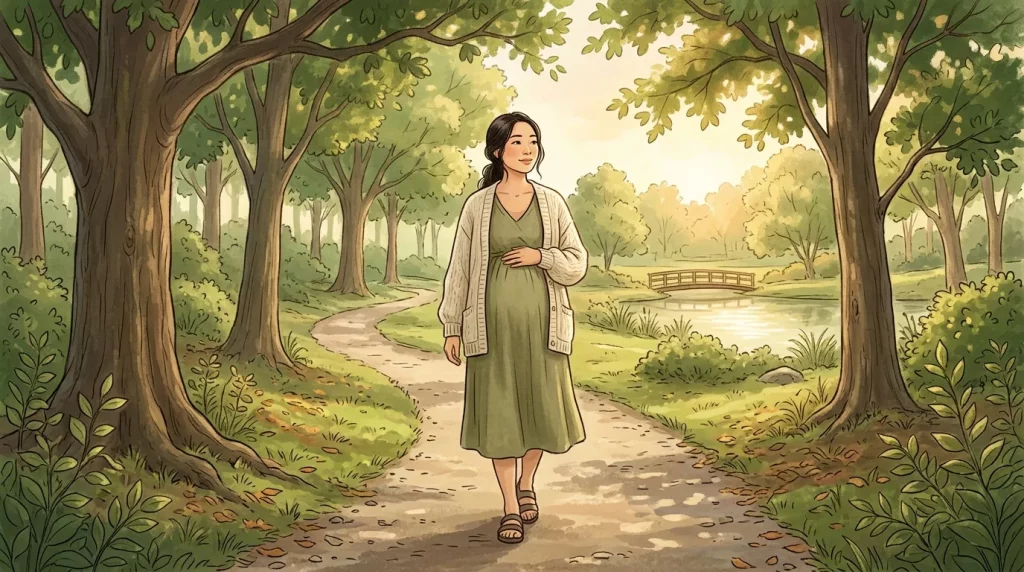
One phrase I came back to often was, “Today, I am pregnant.” It sounded simple, but it helped me stay grounded when my thoughts moved too far ahead. I could not control every outcome, and I could not predict the future, but I could acknowledge what was true in the present moment.
Some days, that was enough.
I also tried to limit the things that made my anxiety worse. Searching symptoms online rarely helped me feel better. Reading other people’s loss stories late at night often left me more frightened than comforted. I had to learn the difference between seeking support and feeding my fear.
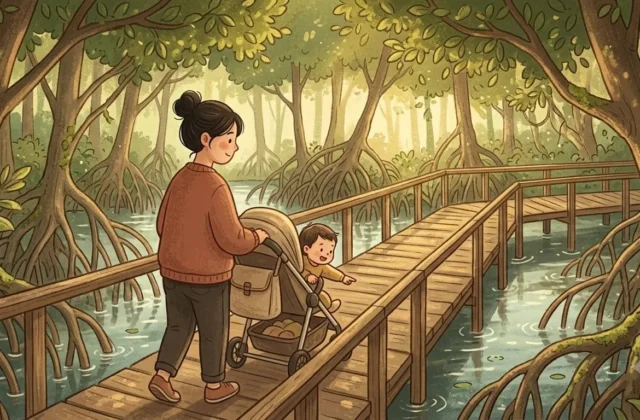
Instead, I found small routines that helped me feel steadier. I wrote down how I felt. I took short walks. I rested when I needed to. I talked to people who understood that pregnancy after loss was not something I could simply “relax” my way through.
Healing did not happen all at once. It happened in small, quiet ways.
Letting Others Support Me

At first, I did not know how to talk about my second pregnancy. I worried that if I shared my fears, people would think I was being negative. I also worried that if I shared my joy, I would feel foolish if something went wrong.
But carrying everything alone became too heavy.
I started opening up to a few trusted people. I did not need everyone to understand perfectly. I just needed a small circle of people who could listen without rushing me into positivity. The most helpful support came from those who did not try to fix my feelings. They simply allowed me to feel them.
Sometimes the best thing someone said was not, “Everything will be fine.” It was, “I understand why you are scared, and I am here with you.”
That kind of support gave me space to be honest. It reminded me that I did not have to perform happiness in order to deserve comfort.
When Hope Started to Return
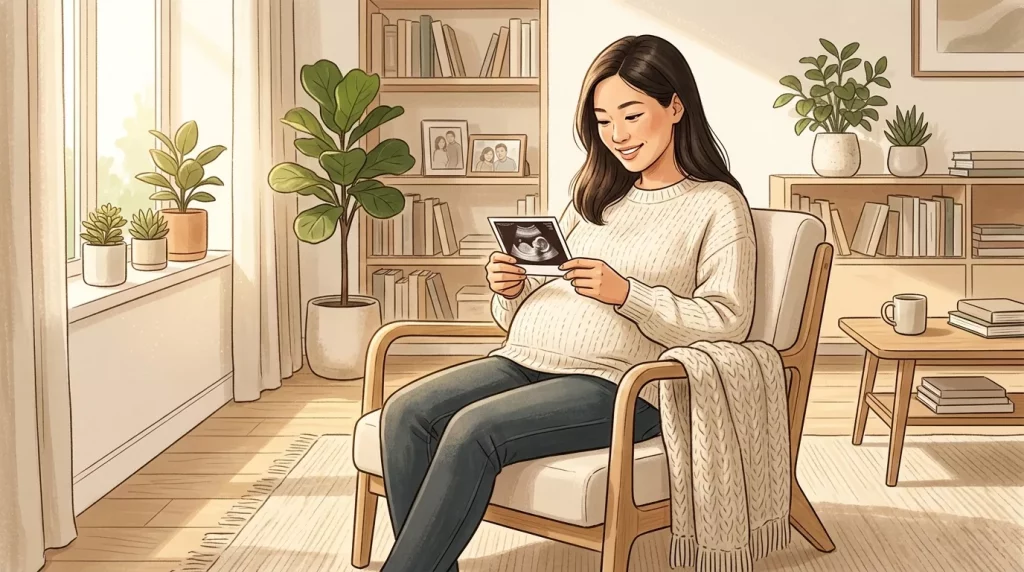
Hope came back slowly. It did not arrive all at once, and it did not erase the fear completely. It showed up in small moments: hearing a heartbeat, seeing a tiny movement on the ultrasound, feeling the first flutter, reaching a week I had been afraid I would never reach.
Each milestone felt different in this pregnancy. I did not take any of them lightly. I felt grateful for things I once thought were ordinary. Even the uncomfortable parts of pregnancy sometimes felt meaningful because they reminded me that my body was still carrying life.
There were still anxious days, even later in the pregnancy. But over time, joy began to take up more space. I allowed myself to prepare. I allowed myself to talk about the baby in future tense. I allowed myself to believe that this pregnancy could have a different ending.
That was not easy, but it was important.
What I Wish I Had Known
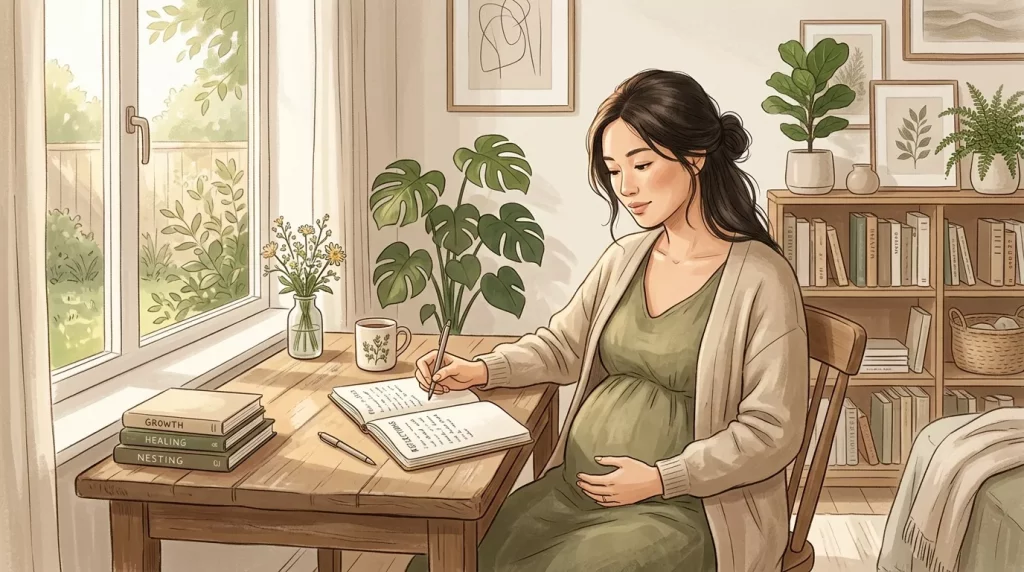
I wish I had known that my complicated emotions were normal. I wish someone had told me that being afraid did not mean I was ungrateful, and feeling hopeful did not mean I had forgotten my loss. I wish I had understood earlier that pregnancy after loss is not about moving on as if nothing happened. It is about learning how to carry love, grief, fear, and hope at the same time.
I also wish I had given myself more permission to experience the pregnancy in my own way. Some parents feel ready to announce early. Others wait. Some buy baby items right away. Others need more time. There is no single correct way to navigate pregnancy after miscarriage.
What matters is allowing yourself compassion. You have been through something painful. It makes sense that your heart responds carefully.
Final Thoughts
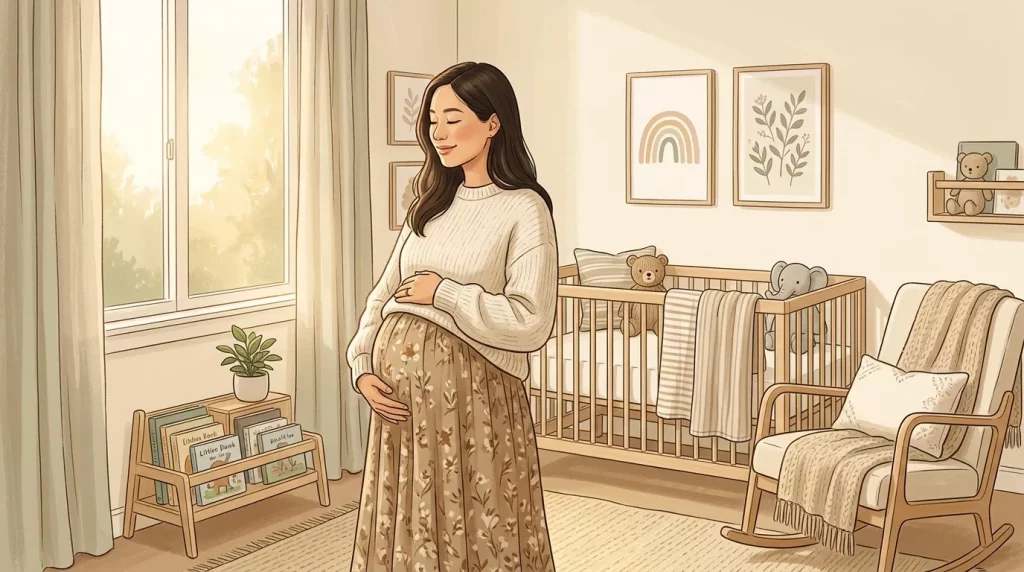
Pregnancy after loss is not the same as pregnancy before loss. It can be beautiful, but it can also be emotionally exhausting. It can bring joy while still carrying fear. It can make you grateful and anxious in the same breath.
If you are getting pregnant again after miscarriage fears and feelings may come in waves. Some days you may feel hopeful. Other days you may feel overwhelmed by worry. None of this means you are doing pregnancy wrong. It means you are human, and your heart is trying to love again after being hurt.
My second pregnancy was not carefree, but it was still meaningful. It taught me patience, softness, and the courage it takes to hope again. I learned that I did not have to wait until all the fear disappeared before I allowed myself to love my baby.
I could be scared and still be present.
I could remember what I had lost and still welcome what was growing.
And little by little, I learned that hope after loss is not naive. Sometimes, it is one of the bravest things a mother can choose.