


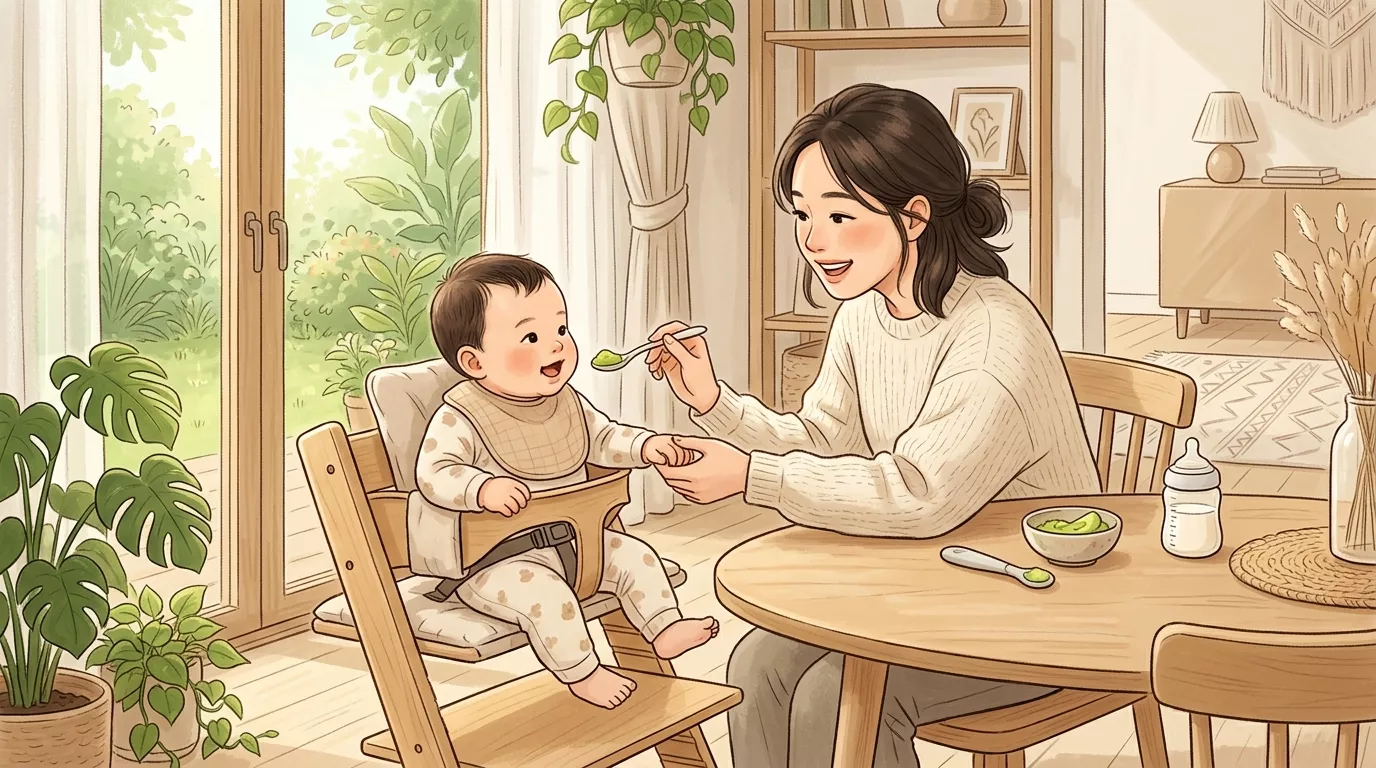
After months of breast milk or formula, introducing your baby to new tastes and textures can feel exciting and rewarding. At the same time, it can also bring a lot of questions. How much should your baby eat? Which food should you offer first? And perhaps one of the most common concerns among parents: how to introduce solids without making a huge mess?
The truth is that some mess is unavoidable. Exploring food is an important part of your baby’s development, and learning to eat involves touching, grabbing, dropping, and sometimes wearing more food than they actually consume. However, there are several ways to make the process more manageable while still allowing your baby to enjoy the experience.
By keeping things simple and focusing on your baby’s readiness, you can help make the transition to solids enjoyable for both of you.
Signs Your Baby Is Ready for Solid Food
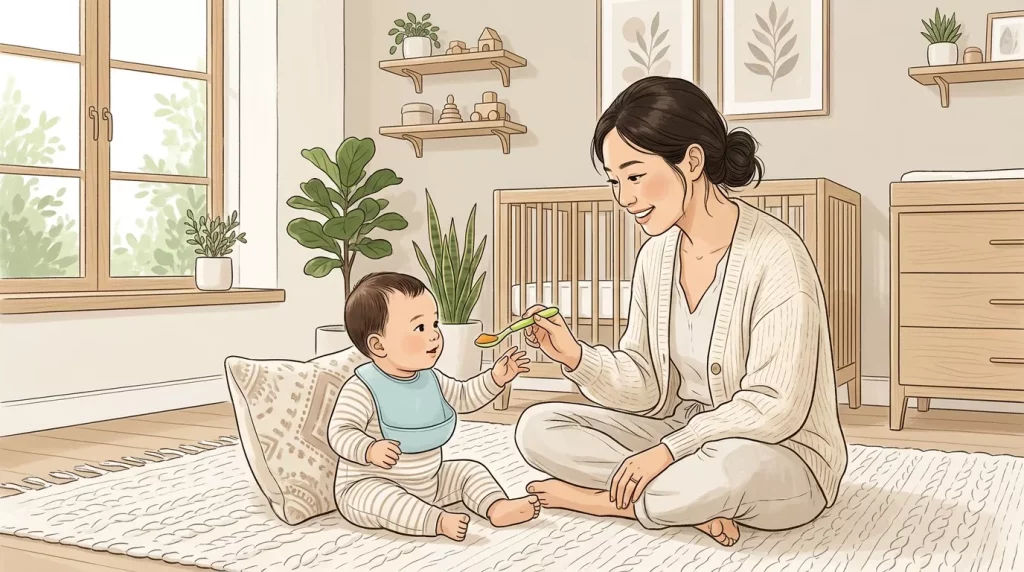
Most babies are ready to begin solids around 6 months of age, but every child develops at their own pace. Rather than focusing only on age, it is important to look for signs that indicate your baby is developmentally ready for this next step.
Some common signs of readiness include:
- Sitting upright with minimal support
- Having good head and neck control
- Showing interest in food during family meals
- Reaching for food or watching others eat
- Opening their mouth when food is offered
- Bringing toys and other objects to their mouth
These milestones suggest that your baby is developing the coordination needed to safely explore solid food. If you are unsure whether your baby is ready, speaking with your pediatrician can provide additional guidance.
It is also important to remember that breast milk or formula remains your baby’s primary source of nutrition during the first year. Solids at this stage are meant to complement milk feedings rather than replace them.
Choosing the Right First Food
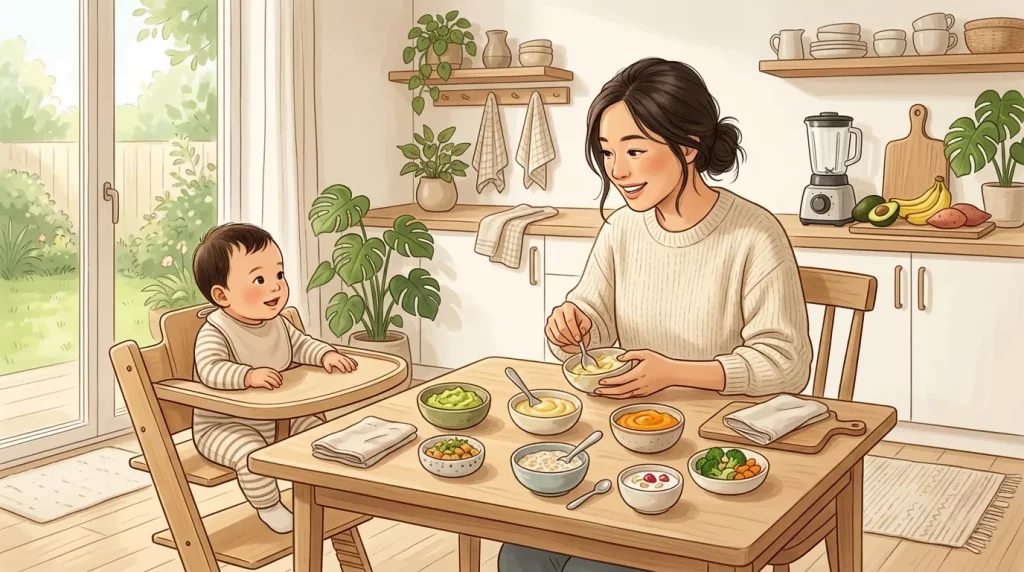
Many parents worry about selecting the perfect first food, but there is no single correct answer. The best first food are typically soft, easy to swallow, and rich in nutrients that support healthy growth and development.
Some popular first food options include:
- Mashed avocado
- Pureed sweet potato
- Mashed banana
- Pureed carrots
- Iron-fortified baby cereal
- Plain full-fat yogurt
- Pureed beans
- Finely shredded or pureed meats
Iron-rich food deserve special attention because a baby’s iron stores begin to decrease around six months of age. Including iron-fortified cereals, beans, lentils, or meats can help support your baby’s nutritional needs during this stage.
When introducing new food, offer one food at a time and give your baby several opportunities to try it. It is common for babies to need multiple exposures before accepting a new taste or texture.
Create a Calm Feeding Environment
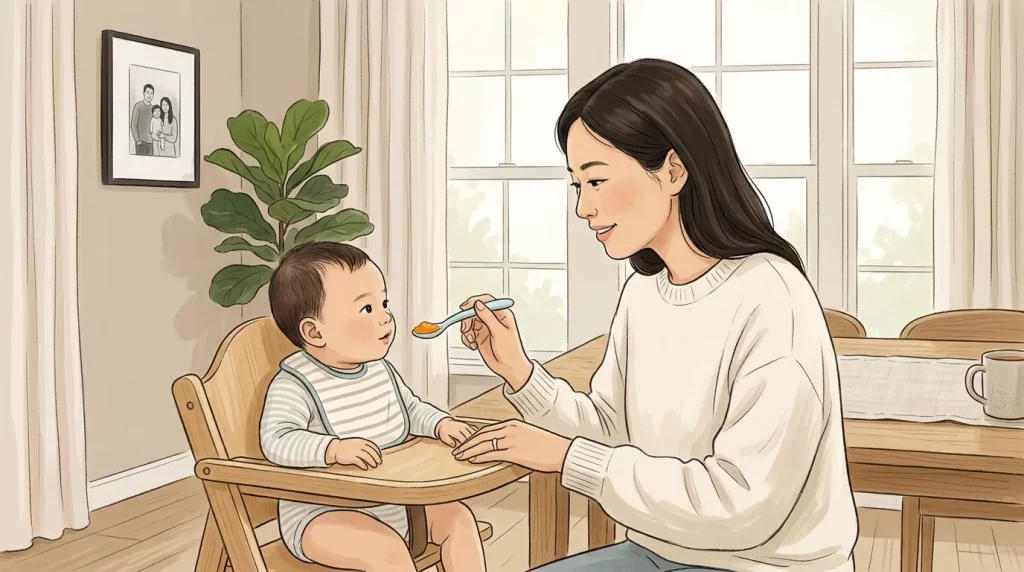
One of the easiest ways to make introducing solids more successful is to choose a time when both you and your baby are relaxed. Babies are often more willing to explore new food when they are alert, content, and not overly hungry.
Try offering solids after a milk feeding or between feedings when your baby is comfortable and interested. A baby who is extremely hungry may become frustrated more quickly, making mealtime less enjoyable for everyone.
Using a stable high chair with proper support can also help your baby focus on eating while reducing unnecessary distractions. Keeping meals calm and unhurried allows your child to learn at their own pace and build positive associations with food.
How to Introduce Solids Without Making a Huge Mess
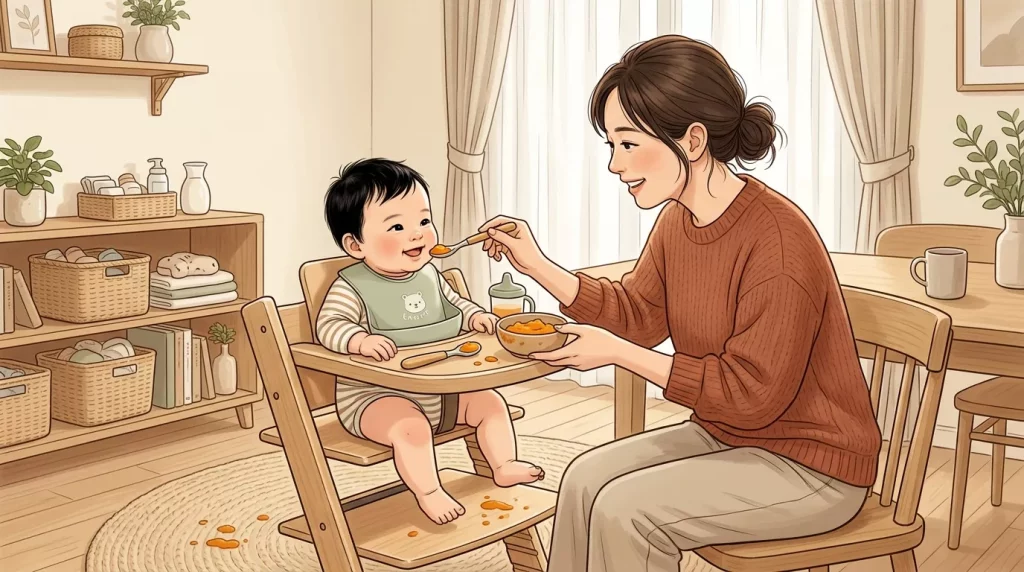
While it may not be possible to eliminate every spill or splatter, there are practical ways to reduce the chaos that often comes with introducing solids.
Start With Small Portions
Offering a large bowl of food can quickly turn into a messy situation. Instead, begin with one or two teaspoons of food at a time. Small portions are easier for babies to manage and help reduce waste if most of the food ends up somewhere other than their mouth.
You can always offer more if your baby seems interested and continues to eat.
Use the Right Feeding Equipment
Having a few simple tools can make a significant difference during mealtime. A soft-tipped baby spoon, a well-fitting bib, and a sturdy high chair are often all you need.
Many parents also find that silicone bibs with built-in food catchers help contain spills before they reach clothing or the floor. While these accessories will not eliminate mess entirely, they can make cleanup much easier.
Place a Mat Under the High Chair
One of the simplest solutions for reducing cleanup time is placing a washable mat, towel, or tablecloth beneath your baby’s high chair. As your baby learns to eat, food will inevitably fall. Having a protective layer underneath allows you to quickly shake out or wipe down the area after meals.
This small step can save a considerable amount of time, especially during the early months of solid feeding.
Offer Food Slowly
Introducing solids is not a race. Giving your baby time to observe, smell, and taste food can help prevent frustration and reduce unnecessary mess.
Rather than repeatedly loading the spoon, offer small bites and wait for your baby to show interest before continuing. Paying attention to your baby’s cues often leads to a more positive feeding experience.
Keep Extra Food Out of Reach
Many babies enjoy grabbing bowls, plates, and spoons as they develop their motor skills. While this curiosity is completely normal, it can quickly lead to food being dumped onto trays or floors.
Keeping the main food container nearby and transferring only small amounts to your baby’s dish can help prevent larger messes while still allowing your child to participate in the feeding process.
Allow Your Baby to Explore
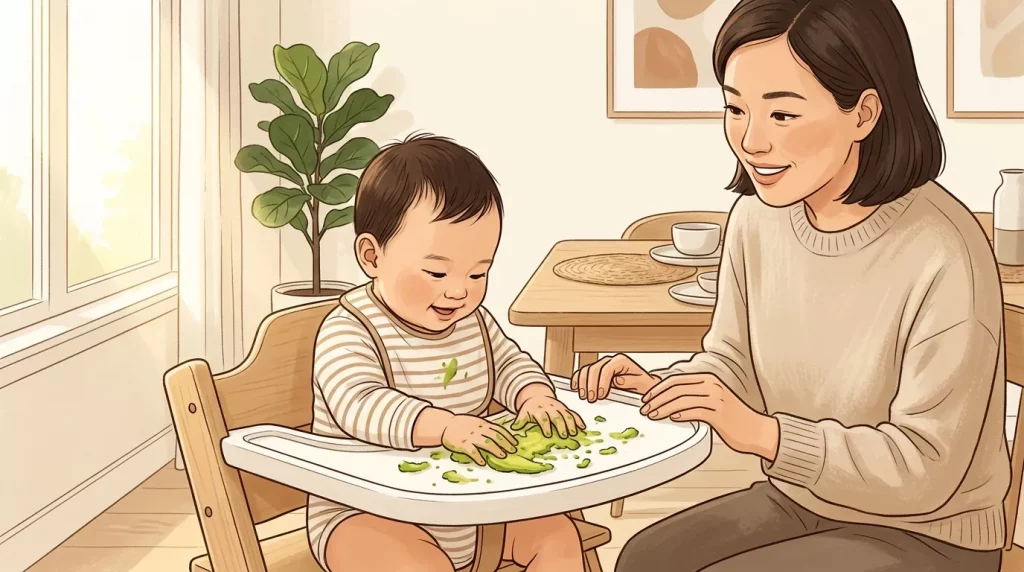
Although parents naturally want to keep things tidy, some mess plays an important role in learning. Touching food helps babies become familiar with different textures, temperatures, and consistencies. This sensory exploration supports both feeding skills and overall development.
Allowing your baby to touch and investigate food may feel messy in the moment, but it can encourage confidence and curiosity around eating. The goal is not to keep your baby’s hands perfectly clean but to create a safe environment where exploration is encouraged.
Finding a balance between minimizing unnecessary mess and allowing healthy exploration can make mealtimes more enjoyable for everyone involved.
Introducing Common Allergens
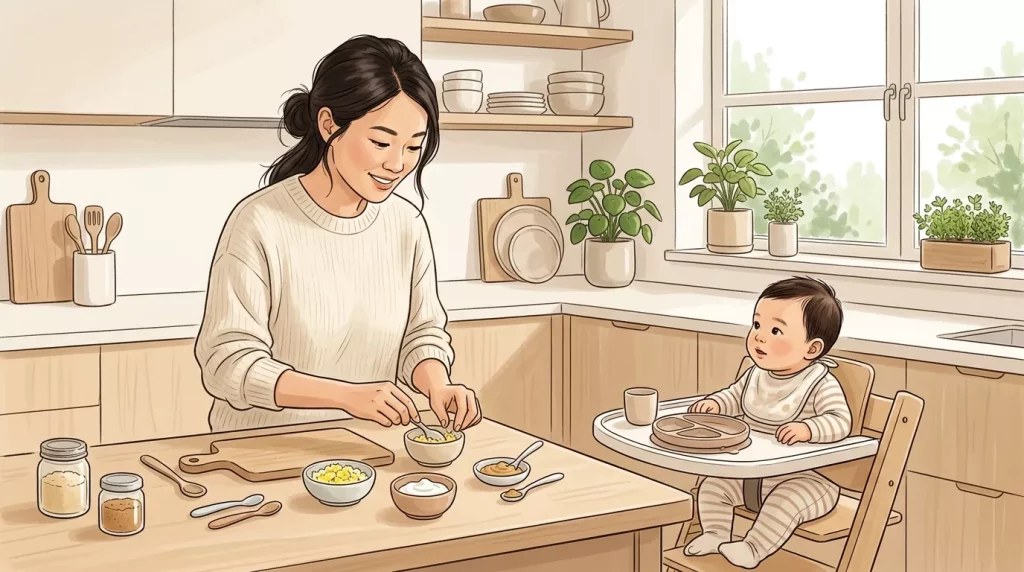
Many parents have questions about introducing allergenic food such as eggs, peanuts, dairy, wheat, soy, fish, sesame, and tree nuts. Current recommendations generally support introducing these food during infancy once your baby has successfully started solids.
When introducing allergenic food, offer them one at a time and in forms that are safe for your baby’s age and developmental stage. For example, peanut butter should be thinned and mixed into another food rather than offered as a thick spoonful, which may present a choking risk.
If your baby has severe eczema, an existing food allergy, or a strong family history of allergies, speak with your pediatrician before introducing allergenic food.
Common Mistakes to Avoid
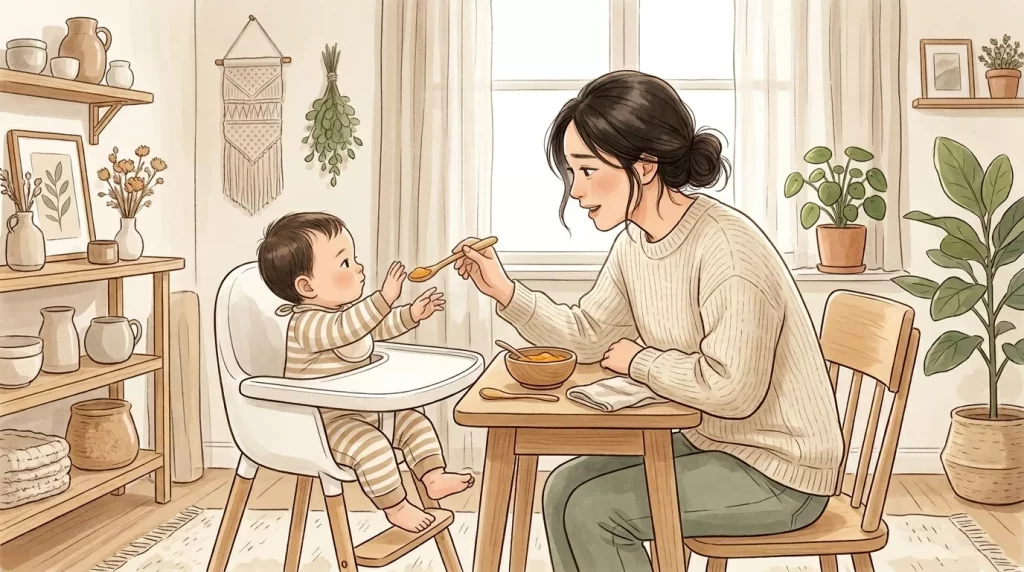
As exciting as this milestone can be, there are a few common mistakes that parents should try to avoid.
Expecting Too Much Too Soon
Many babies eat very small amounts during the first weeks of solids. This is completely normal. Learning to eat involves developing new skills, and progress often happens gradually.
Forcing Your Baby to Eat
Pressuring your baby to finish food can create negative associations with mealtimes. Instead, pay attention to hunger and fullness cues and allow your child to decide how much they want to eat.
Offering Choking Hazards
Food that are hard, round, sticky, or difficult to chew should be avoided. Examples include whole grapes, popcorn, whole nuts, large chunks of meat, and raw hard vegetables.
Preparing food in age-appropriate textures is an important part of safe feeding.
Comparing Your Baby to Others
Some babies eagerly accept solids from the start, while others take more time to adjust. Every child develops differently, and comparing your baby’s progress to another child’s often creates unnecessary stress.
Focus on your own baby’s growth and comfort level rather than measuring progress against someone else’s experience.
What to Expect During the First Few Weeks

The first few weeks of introducing solids are often filled with experimentation. Your baby may eagerly accept one food and completely reject another. Some meals may seem successful, while others result in more food on the floor than in your baby’s mouth.
This is all part of the learning process.
With consistent exposure and patience, most babies gradually become more comfortable with different food and textures. Over time, mealtimes typically become less messy as feeding skills improve and coordination develops.
Remember that introducing solids is not about achieving perfect meals right away. It is about giving your baby opportunities to learn, explore, and develop a healthy relationship with food.
Final Thoughts
Learning how to introduce solids without making a huge mess is something nearly every parent wonders about. While some level of mess is inevitable, simple strategies such as offering small portions, using the right feeding tools, creating a calm feeding environment, and allowing age-appropriate exploration can make the experience much more manageable.
Most importantly, try to approach this milestone with patience and realistic expectations. The early days of solid feeding are filled with learning opportunities, and every spoonful, spill, and funny facial expression is part of your baby’s journey toward becoming a confident eater.
By keeping things simple and focusing on progress rather than perfection, you can make introducing solids at 6 months a positive experience for both you and your baby.