


You spend nine months reading about pregnancy. You take the antenatal classes. You pack the hospital bag, write the birth plan, research the epidural. And then the baby arrives and everyone’s attention — including yours — shifts entirely to the small person who just appeared.
Meanwhile your body is doing something enormous and almost nobody is talking about it.
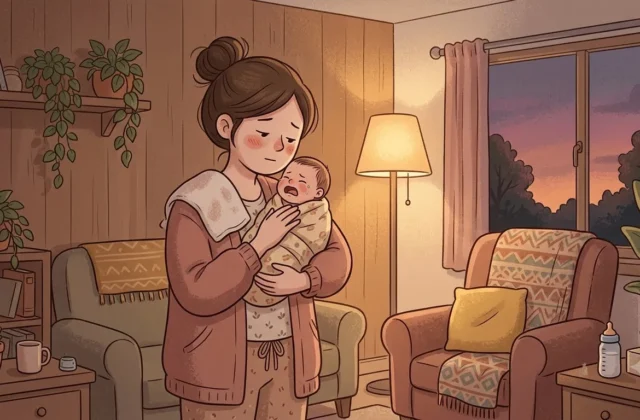
I remember coming home from the hospital and feeling genuinely shocked. Not by the baby, although that was also shocking. By what was happening to my own body. The bleeding that was heavier than any period I had ever had. The soreness that made sitting down a calculated decision. The night sweats that soaked through my clothes at 3am. The hair that started falling out in handfuls around week six just when I thought the worst was over.
I had read about none of this in enough detail to be prepared for the reality of it.
This is the guide I wish someone had handed me on the way out of the delivery ward.
Week 1 — The Immediate Aftermath
Lochia — The Postpartum Bleeding
The bleeding that begins immediately after birth is called lochia. It is not a period. It is the shedding of the uterine lining, blood, and tissue that built up over nine months of pregnancy.
In the first few days it is heavy — often heavier than the heaviest period you have ever had. It is bright red. It may contain clots. This is normal.
What normal looks like in week one:
- Bright red bleeding, heavy enough to soak a maternity pad every one to two hours
- Small to medium clots — roughly the size of a 50 cent coin or smaller
- Mild cramping as the uterus begins contracting back to its pre-pregnancy size
What is not normal and requires immediate medical attention:
- Soaking more than one pad per hour for two or more consecutive hours
- Clots larger than a golf ball
- Bleeding that is getting heavier rather than gradually lighter over the first few days
- Fever above 38 degrees Celsius alongside heavy bleeding
- Bleeding with a foul smell — this can indicate infection
The question parents search most often is: how long is too long for postpartum bleeding?
The short answer is that lochia typically lasts between four and six weeks in total. It should follow a clear progression — heavy and red in the first week, tapering to pink or brownish discharge by weeks two to three, and then to a yellowish or whitish discharge before stopping entirely. If bright red heavy bleeding returns after it has already started tapering, that warrants a call to your doctor.
Uterine Cramping
As your uterus contracts from roughly the size of a watermelon back toward its pre-pregnancy size, you will feel cramping — sometimes significantly. These are called afterpains and they tend to be stronger with second and subsequent pregnancies than with first.
Breastfeeding triggers oxytocin release, which intensifies uterine contractions. This means cramping often worsens during or immediately after feeds in the first few days. It is temporary and it is your uterus doing exactly what it is supposed to do.
Paracetamol taken before feeds can help manage afterpain discomfort. Discuss pain management with your doctor or midwife before discharge.
Perineal Soreness — Vaginal Birth
If you had a vaginal birth, the perineum — the area between the vagina and rectum — will be sore regardless of whether you had a tear or episiotomy. Swelling, bruising, and general tenderness are expected.
Practical things that help:
- A peri bottle — a small squirt bottle filled with warm water used while urinating to dilute the sting. This is more useful than almost anything else in the first week and not talked about enough.
- Ice packs wrapped in a cloth applied to the perineum in the first 24 to 48 hours reduce swelling
- Witch hazel pads placed in the freezer and applied to the area provide cooling relief
- Sitting on a cushion or donut pillow reduces direct pressure
- Stool softeners — ask your doctor — because the first bowel movement after a vaginal birth is something everyone should be warned about in advance
Stitches from tears or episiotomy typically dissolve on their own within two to four weeks. Keep the area clean and dry. Salt baths can help with healing and discomfort.
C-Section Recovery
C-section recovery has its own set of considerations that are sometimes underestimated because the surgery is so common it can feel routine.
It is still major abdominal surgery.
In the first week the incision site will be sore, swollen, and tight. The area around it may feel numb due to nerve disruption — this numbness can last months or longer in some cases. Moving from lying down to sitting, getting in and out of bed, and carrying anything heavier than the baby will be limited and painful.
What helps:
- Supporting the incision with a pillow when coughing, sneezing, or laughing — this becomes instinctive quickly
- Moving slowly and deliberately — do not rush the early mobility
- Keeping the incision clean and dry
- Watching for signs of infection — increasing redness, warmth, discharge, or opening of the wound
You will still experience lochia after a c-section. The bleeding may be slightly less heavy than after a vaginal birth but the duration is similar.
Weeks 2 to 3 — The Transition Period
Bleeding Changes
By week two, lochia should be transitioning from bright red to a pinkish or brownish colour and becoming lighter in flow. If you have a day of increased activity — more walking, more lifting, more exertion than usual — bleeding may temporarily increase. This is your body telling you to slow down.
If bright red heavy bleeding returns after it has already started tapering, rest first. If it does not settle within a few hours, call your doctor.
Night Sweats
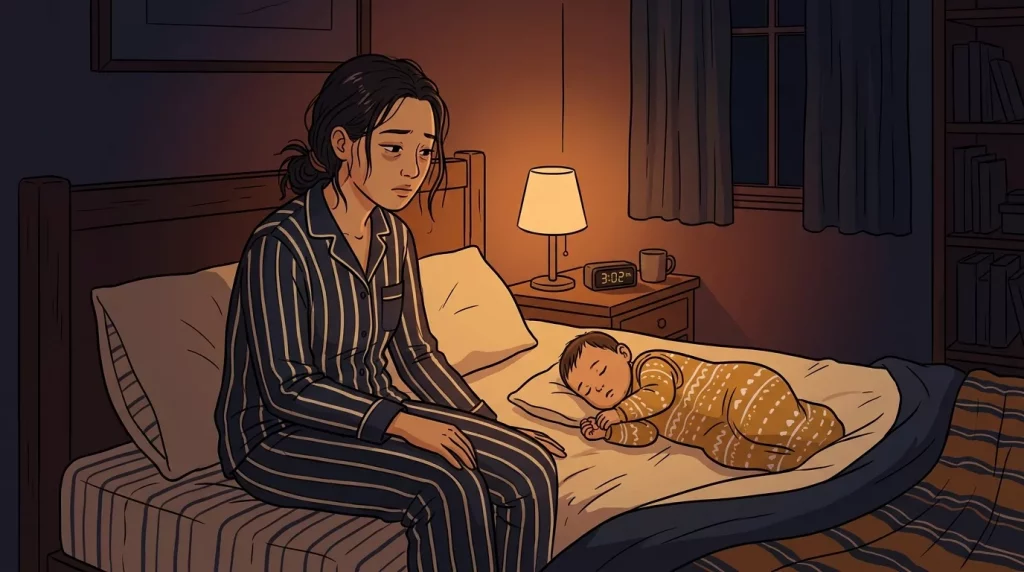
Many postpartum mothers experience intense night sweats in the first two to three weeks, sometimes enough to soak through clothing and bedding. This is your body eliminating the excess fluid retained during pregnancy through perspiration. It is normal, temporary, and deeply unpleasant.
Lightweight breathable sleepwear, a towel under your sheet, and keeping a change of clothes nearby makes this more manageable. It typically resolves within the first few weeks as fluid balance normalises.
Breast Changes
Whether you are breastfeeding or not, your milk comes in somewhere between days two and five. This brings engorgement — breasts that become hard, swollen, and sometimes hot and painful as milk production begins.
If breastfeeding: frequent feeding or pumping is the most effective way to relieve engorgement. Cold compresses between feeds help with discomfort. Warm compresses or a warm shower immediately before feeding can help with letdown.
If not breastfeeding: binding or wearing a firm supportive bra, cold compresses, and avoiding nipple stimulation helps suppress milk production. Do not express milk to relieve discomfort if you are not breastfeeding — this signals the body to produce more.
Engorgement typically resolves within a few days as supply regulates to demand.
Weeks 4 to 6 — The Slow Return
When Bleeding Should Stop
By weeks four to six, lochia should be stopping or have already stopped. What you may experience instead is a light yellowish or whitish discharge as the final stage of uterine healing. This is normal.
Call your doctor if:
- Bright red bleeding returns at any point after week three
- Bleeding has not stopped or significantly reduced by six weeks
- You develop fever, chills, or pelvic pain alongside continued bleeding
- The discharge has a foul odour at any stage
Hair Loss

Around weeks eight to twelve — sometimes beginning as early as week six — many postpartum mothers experience significant hair shedding. This is called postpartum alopecia and it happens because the elevated oestrogen levels during pregnancy kept hair in a prolonged growth phase. After birth, oestrogen drops and all that retained hair sheds at once.
It can be alarming. Handfuls in the shower, on the pillow, on the floor. Most mothers experience peak shedding around three to four months postpartum.
It is temporary. Hair typically returns to its pre-pregnancy density by twelve to fifteen months postpartum. Eating enough protein, continuing prenatal vitamins, and managing stress where possible supports the recovery process — but there is no intervention that stops the shedding phase itself.
The Six Week Check
The six week postpartum check with your gynaecologist or doctor is standard practice in Singapore. This typically includes:
- checking wound healing — perineal or c-section
- assessing uterine involution — whether the uterus has returned to normal size
- checking blood pressure
- discussion of contraception
- screening for postpartum depression
- discussion of returning to exercise and sexual activity
This appointment is not just a formality. Come with questions. If you have been experiencing anything that concerns you — physical or emotional — this is the time to raise it.
What People Do Not Talk About Enough
The Emotional Landscape
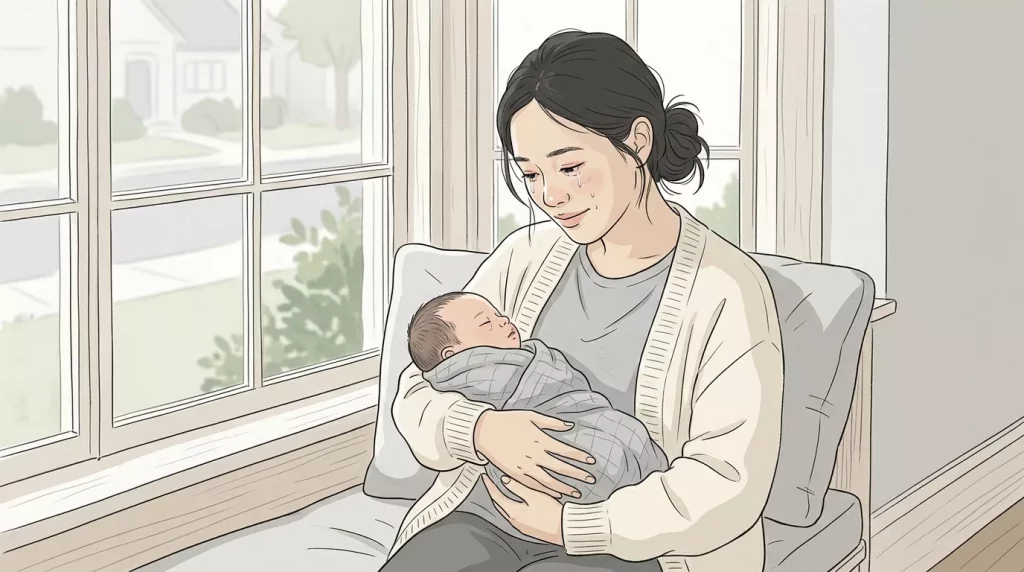
The physical recovery happens alongside an emotional landscape that can be genuinely disorienting.
The baby blues — tearfulness, mood swings, emotional fragility — affect the majority of new mothers in the first week or two. They are driven by the dramatic hormonal drop after birth and typically resolve on their own within two weeks.
Postpartum depression is different. It is more persistent, more impairing, and more common than most people realise — affecting roughly one in five mothers. Symptoms include persistent low mood, inability to feel joy, difficulty bonding with the baby, intense anxiety, intrusive thoughts, and feeling unable to cope.
If you are experiencing these symptoms — or if someone close to you is concerned — please speak to your doctor. Postpartum depression is not a character failing. It is a medical condition with effective treatment. The six week check is one opportunity to raise it, but you do not need to wait six weeks. You can call your doctor or visit the hospital any time.
Rest Is Not Optional

Singapore’s confinement traditions exist for a reason. The postpartum body needs rest in a way that modern life makes genuinely difficult to prioritise.
You have just grown and delivered an entire human being. Your hormone levels have dropped off a cliff. You are bleeding, healing, learning to feed a newborn, and running on interrupted sleep. This is not the time to prove anything to anyone.
Whatever help is available to you — confinement nanny, family, partner, meal delivery — take it. Not because you cannot manage alone, but because your body has a better chance of healing well when it is not also managing everything else simultaneously.
The dishes can wait. The visitors can wait. The thank you messages can absolutely wait.
Rest is not laziness. Right now, it is the work.
A Quick Reference — When to Call Your Doctor
| Symptom | Action |
|---|---|
| Soaking more than 1 pad per hour for 2+ hours | Call doctor immediately |
| Clots larger than a golf ball | Call doctor immediately |
| Fever above 38°C | Call doctor immediately |
| Foul-smelling discharge at any stage | Call doctor |
| Bright red bleeding returning after tapering | Call doctor if does not settle with rest |
| Wound showing signs of infection | Call doctor |
| Persistent low mood, inability to cope beyond 2 weeks | Speak to doctor — do not wait |
| Any concern, however small | Call your doctor — this is always a valid reason |
Your body did something extraordinary. The recovery takes time — more time than anyone tells you, and more grace than most new mothers give themselves.
Six weeks is a guideline, not a finish line. Many aspects of postpartum recovery continue well beyond that point. Being patient with your body, paying attention to what it is telling you, and asking for help when something does not feel right are not signs of weakness.
They are signs of someone taking care of themselves so they can take care of everyone else.