



There was a time when Friday evenings were something I looked forward to without hesitation for many years. Once a month, almost like a tradition, my friends and I would meet after work. We would pick a place, sit around a table, order food we didn’t have to cook ourselves, and spend hours laughing about the little things in life. Those nights felt easy. They felt like a small reward after long weeks of work, and more importantly, they reminded me that I was more than just an employee or someone rushing through daily routines. I was a friend, part of a circle that shared history, inside jokes, and a sense of belonging.
When the baby arrived, life quietly rearranged itself.
No one really prepares you for how dramatically your evenings change after becoming a parent. Your schedule is no longer your own. The moment work ends, the clock starts ticking in a different way. You begin calculating how quickly you can get home, how much time is left before bedtime routines begin, whether the caregiver needs relief, and what still needs to be done before the next day starts all over again. Every evening feels like a relay race, and you are running the final stretch.
So when the first message came in after I returned to work: “Same plan this Friday?” I found myself staring at my phone longer than usual. My heart wanted to say yes immediately, the way it always had before. But my mind started listing responsibilities. Who would watch the baby? Would my husband be alright with that? Would bedtime be disrupted? What would my parents think of me?
I typed a polite reply saying I couldn’t make it this time, promising to join the next gathering. They responded kindly, as good friends do. They told me not to worry and said we would catch up soon. On the surface, everything felt normal. But inside, I sensed something had shifted. Life had moved forward, and suddenly I was living in a different rhythm from the people I loved.
Eventually, there was a night when I decided to go. I told myself it would be good to step out, to reconnect, to feel like my old self again. I made arrangements, rushed through the evening routine, and left the house with a mixture of excitement and unease. When I finally sat down at the table with my friends, the laughter came back quickly. The conversations felt familiar. For a moment, it was as if nothing had changed.
But beneath the laughter, there was a quiet tension I couldn’t shake.
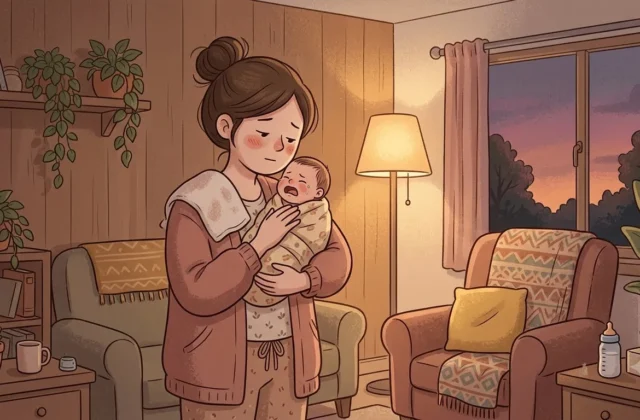
I kept glancing at my phone. I checked the time more often than I realized. I wondered if the baby was feeling alright, if bedtime was going smoothly, if my husband was struggling. Even while smiling and listening to stories, part of my heart remained at home. It was a strange feeling wanting to be present with friends while simultaneously feeling pulled back toward my responsibilities as a mother.
That was the first time I truly understood what people meant by guilt. It was not loud or dramatic. It was subtle and persistent, like a soft voice in the background reminding me that someone needed me elsewhere.
My friends were kind and supportive, but they didn’t fully understand what I was going through. How could they? They had never rushed home after a full day of work only to start another shift caring for a child. They had never felt the weight of being responsible for someone who depended on them completely. So when they suggested meeting at the same time every month or staying out a little longer, I nodded along, even though inside I felt stretched thinner each time.
There was one particular evening that stayed with me. We were sitting in a crowded restaurant, surrounded by noise and laughter. Everyone was enjoying themselves, sharing stories and teasing one another. Yet I found myself distracted, counting the minutes in my head. I was physically present, but emotionally divided. I wanted to stay, to enjoy the company, to hold on to the friendships that meant so much to me but at the same time, I felt an overwhelming urge to leave and return home.
On the way back that night, I sat quietly, replaying the evening in my mind. I realized that no matter what choice I made, guilt seemed to follow. If I stayed home, I missed my friends and felt isolated. If I were to choose to be out, I worried about my child and questioned whether I was being selfish. It felt like a no-win situation, and the emotional tug-of-war was exhausting.
After several months of going back and forth, constantly weighing my responsibilities against my desire for connection, I reached a point where I simply didn’t have the energy to keep negotiating with myself. One evening, after another invitation appeared on my phone, I made a decision that felt both practical and deeply painful. I told my friends they didn’t have to keep inviting me for the time being. I encouraged them to continue meeting without me and to enjoy themselves the way we always had.
Typing those words felt heavier than I expected. It was as if I was closing a chapter of my life, even though I knew it wasn’t permanent. I wasn’t upset with them, and it was definitely not resenting motherhood. I was just tired of feeling torn in two directions. Stepping back felt like the simplest way to protect my energy and reduce the constant guilt.
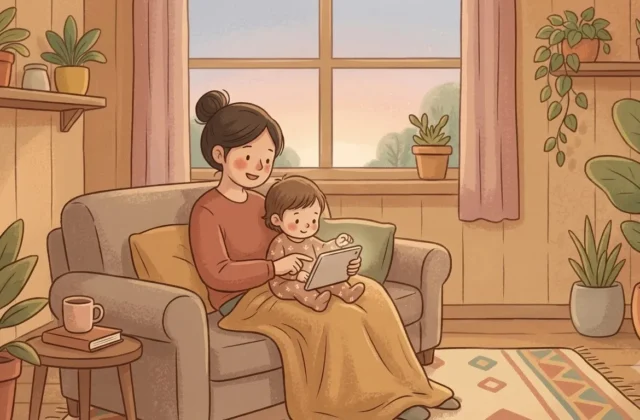
At first, the quiet felt like relief. There were no decisions to make, no last-minute arrangements to coordinate, and no internal debates about whether I should go out or stay home. My evenings became predictable, centered entirely around my child and household responsibilities. Life felt orderly and controlled.
But over time, another feeling slowly crept in.
I began to miss the conversations, the laughter, and the sense of connection that came from being with people who knew me long before I became a parent. I realized that while motherhood had become a central part of my identity, it wasn’t the only part of who I was. I still needed friendship, companionship, and moments that reminded me of the person I had been before life became so busy.
Eventually, I gathered the courage to speak honestly with one of my closest friends. I explained how difficult it had been to balance work, parenting, and social life. I shared the guilt I felt leaving the house and the pressure of trying to meet everyone’s expectations at once. She listened quietly, without interrupting, and then said something simple that stayed with me.
She told me they never realized how challenging things had become for me. She said they just wanted to spend time together and were willing to adjust if they understood what I needed.
That conversation changed everything.
It reminded me that friendships don’t disappear after a baby arrives and they simply need to evolve. The timing might change, the frequency might decrease, the gatherings might become shorter or more flexible but the connection can remain strong if there is understanding on both sides.
Today, our friendships look different from what they once were. We don’t meet as often, and our plans are no longer spontaneous. Sometimes we meet earlier in the day. Sometimes we keep gatherings brief. Sometimes we reschedule entirely and that’s okay.
Because the truth is, life moves in seasons.
There are seasons when work demands more of you. There are seasons when children need constant attention, and there are seasons when friendships take on new forms. None of these seasons last forever, but each one teaches you something about patience, priorities, and the people who truly stand beside you.
If there is one hope I carry in my heart, it is that my friends will continue to walk alongside me through these changing seasons, just as I hope to be there for them when their lives shift in unexpected ways. Friendship, after all, is not measured by how often we meet or how late we stay out. It is measured by understanding, loyalty, and the willingness to grow together.
And perhaps one day, when my child is older and bedtime routines are no longer so demanding, I will sit at that same table again, laughing freely without checking the clock, grateful for the friendships that waited patiently while I learned how to be a mother.