


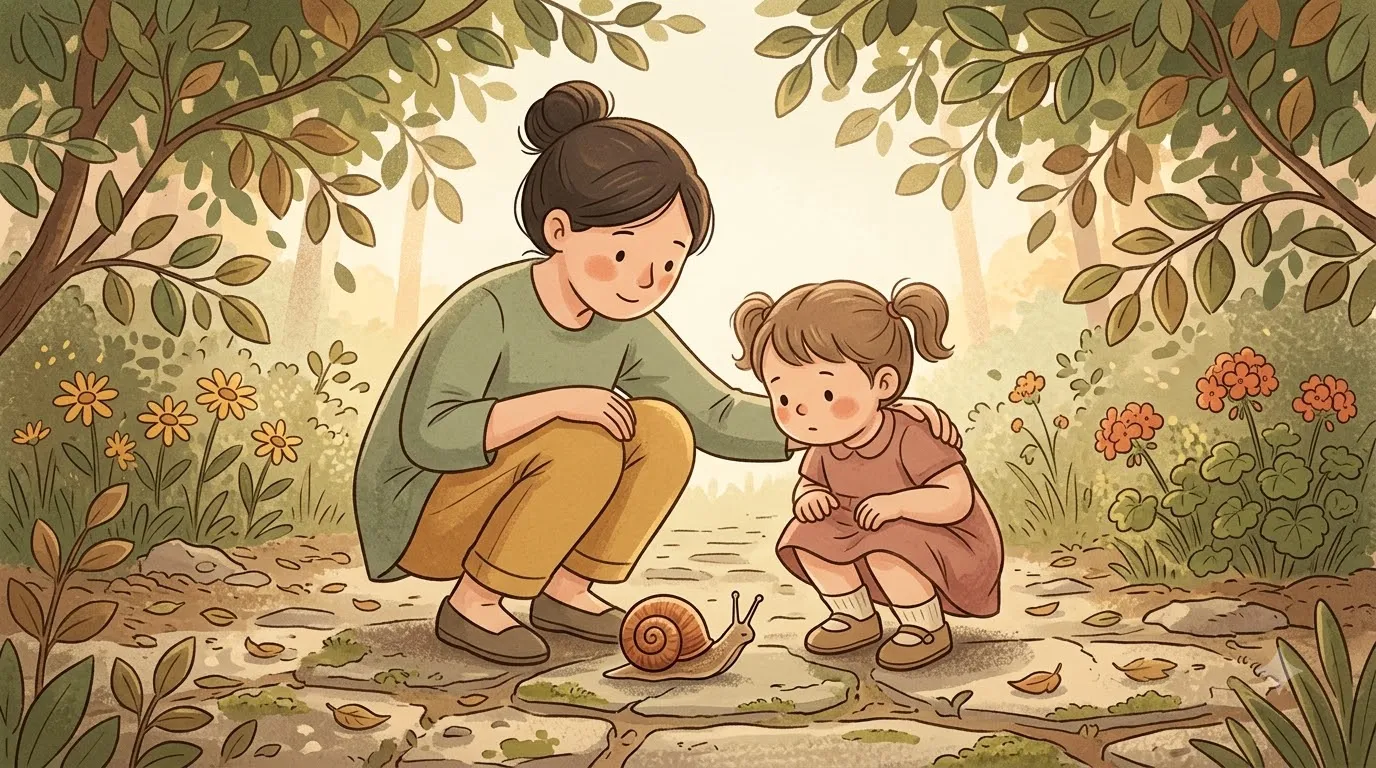
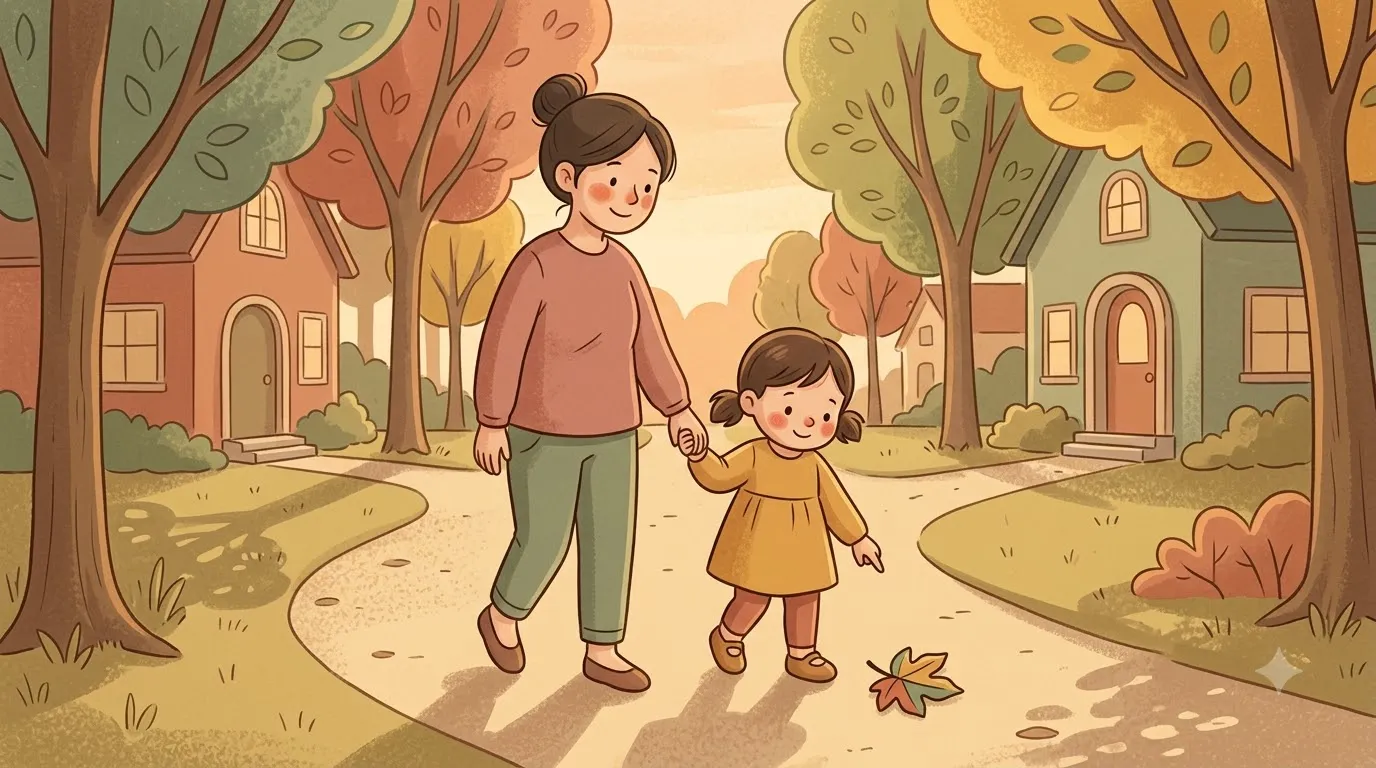
We were walking home from the playground, already late, and my daughter had crouched down on the path in front of a snail making its way across the concrete. I did what I had done a hundred times before: I said her name in that particular voice, held out my hand, and told her we needed to go.
She looked up at me and said, “But it’s walking.”
And I realised I had no answer. We weren’t late for anything. There was nothing waiting for us at home except dinner I hadn’t started and a bedtime that would happen whenever it happened. I had been rushing her for no reason other than that rushing had become the way I moved through the day.
So we watched the snail. It took about four minutes. I remember being surprised at how short four minutes actually is when you’re not resenting it.
What I Was Actually Doing All That Time
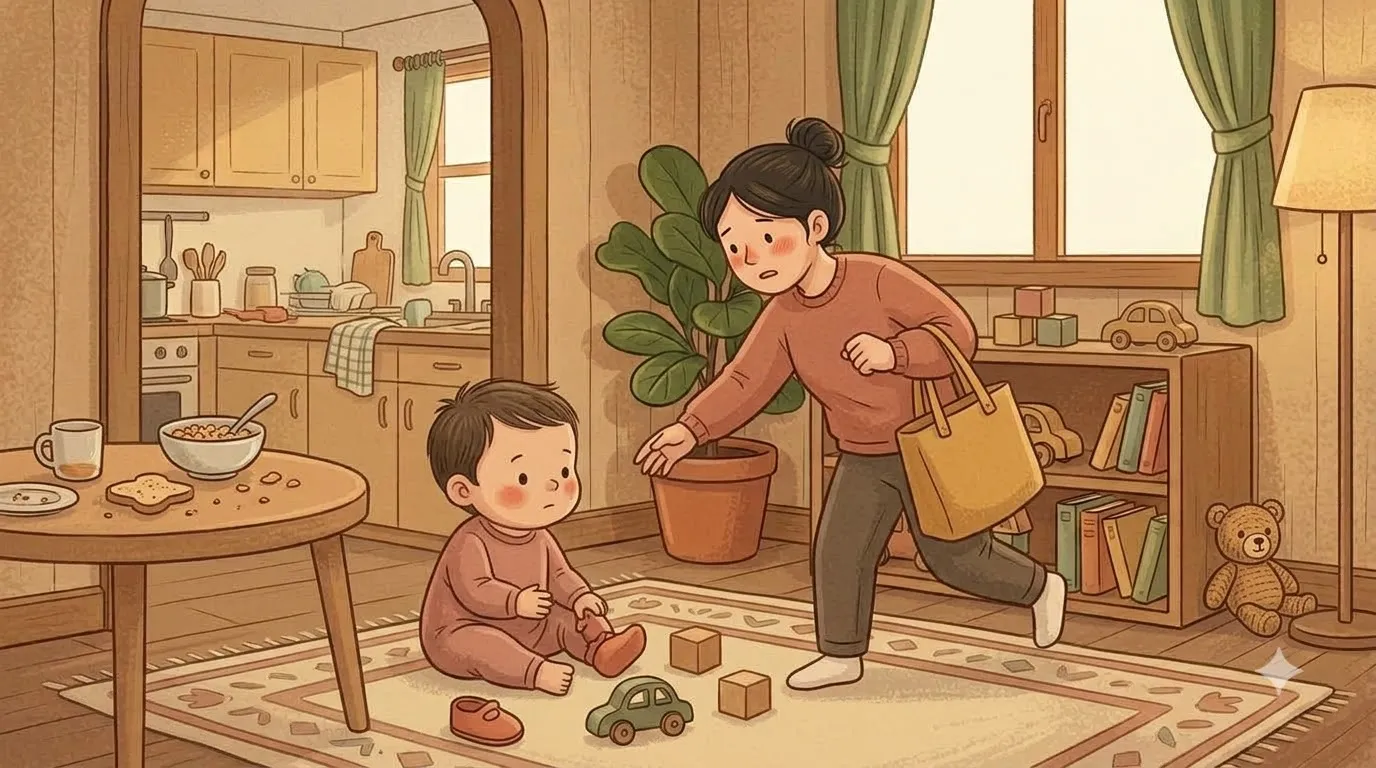
For a long while I would have told you I was busy. And I was — there was always a sink full of something, a message I hadn’t replied to, a bag that needed packing for the next morning.
But when I looked honestly at my days, the rushing wasn’t really about the tasks. It was about the feeling that I was behind on something unnamed. I would hurry my daughter through breakfast so we could get to the playground, then hurry her off the swings so we could get home, then hurry her through dinner so we could start bath time. There was no moment in that chain that the hurrying was actually for. Each thing was rushed in service of the next thing, all the way until bedtime, when I would finally sit down and feel oddly hollow about how the day had gone.
What I was doing was treating my child’s day as a sequence of transitions to be managed. She was experiencing it as, well, her life.
The Thing Nobody Warns You About Rushing
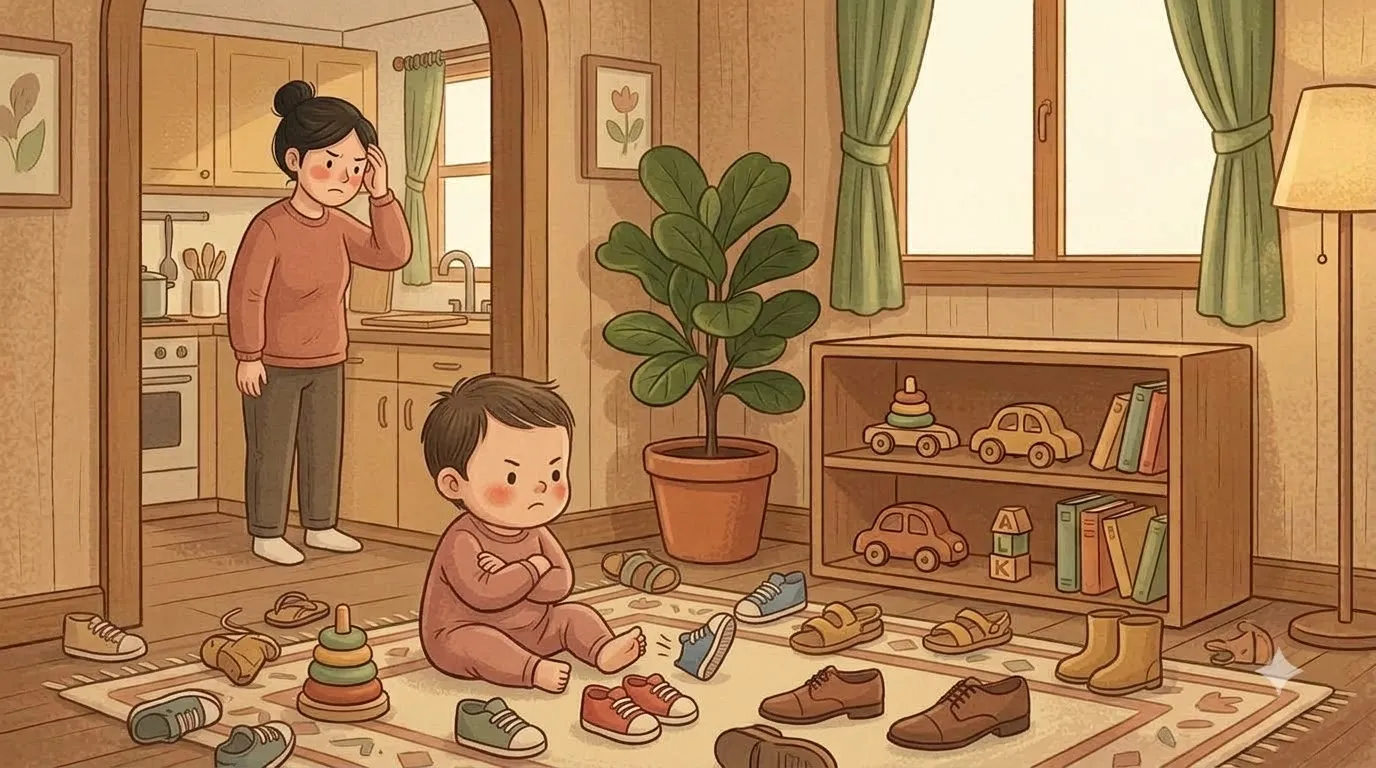
Here’s what I didn’t understand at the time: rushing a toddler doesn’t actually make anything faster.
A child who is hurried gets dysregulated. A dysregulated child resists, dawdles, melts down, and takes significantly longer to do the thing you were rushing them toward in the first place. I spent months trying to speed up mornings by applying more pressure, and the mornings kept getting worse, and I kept concluding that I needed to apply more pressure still.
The arithmetic never worked. Fifteen minutes of urging her into her shoes took longer than five minutes of letting her put them on herself badly.
There’s something else, too, and it took me longer to see. My urgency was contagious. On the days I was tense, she was tense — not about anything in particular, just generally harder to be around. I had assumed her difficult days were causing my stressed ones. It was at least partly the other way round.
What Slowing Down Actually Looked Like
I want to be specific here, because “slow down and be present” is the kind of advice that sounds lovely and tells you nothing about what to do on a Tuesday morning.
These are the things that actually changed.
I started adding fifteen minutes to the front of everything. Not to the activity — to the leaving. We stopped being people who left the house at the time we needed to arrive. This one change removed most of the friction from our mornings, and it cost nothing but earlier alarms.
I stopped narrating what was coming next. I had a habit of announcing the schedule constantly — after this we’ll do that, then we need to, then it’s time for. It was my anxiety leaking out as logistics. She didn’t need the itinerary. She needed to be where she was.
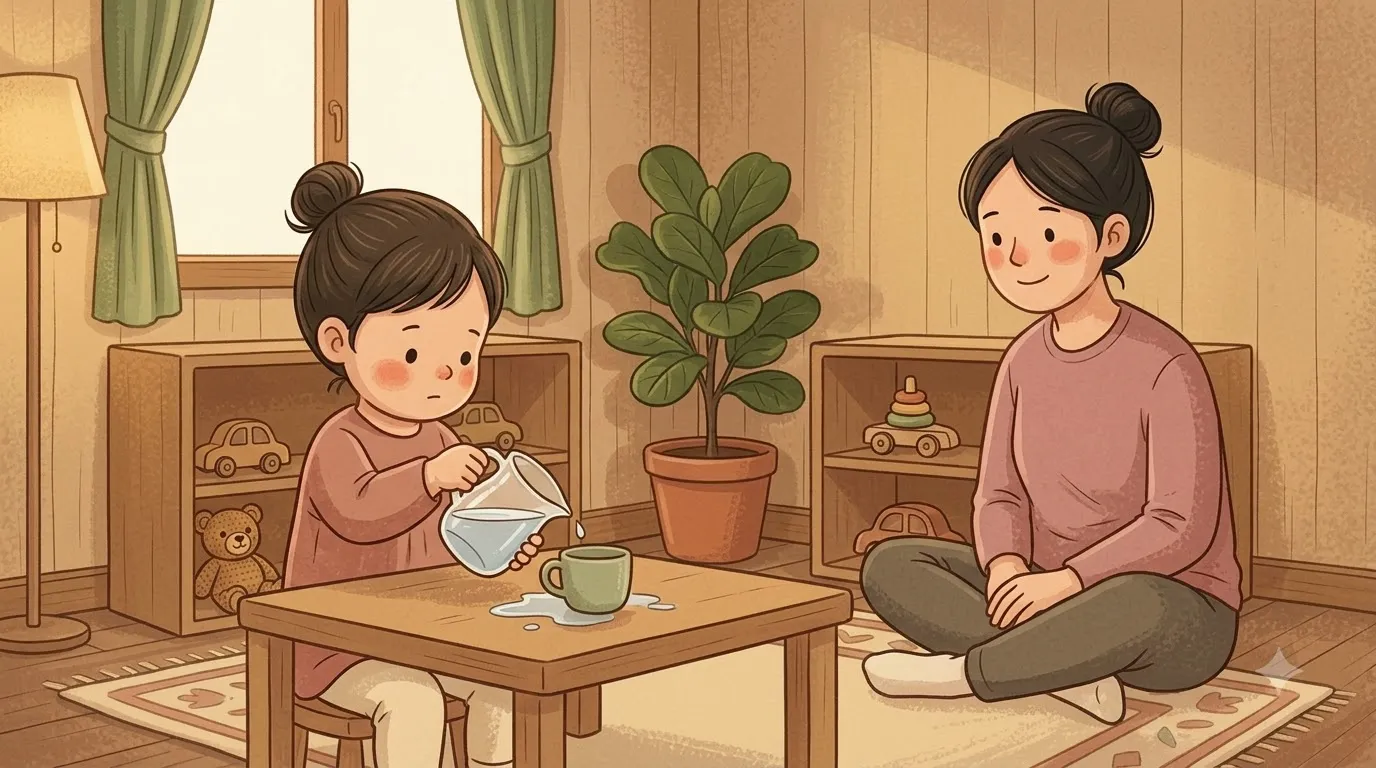
I let her do things badly rather than doing them for her. Shoes on the wrong feet. Water spilled pouring her own drink. Twenty minutes to get down three flights of stairs because each step required individual attention. It’s slower in the moment and dramatically faster over months, because a child who is always done for never becomes a child who can do.
I put the phone in another room during the first hour home. Not out of virtue. I noticed I was physically present and mentally elsewhere, and she could tell, and she would escalate until she got a real response. One uninterrupted hour bought me more peace than three distracted ones.
I started following her attention instead of directing it. When she stopped at the snail, or the drain, or the construction site fence, I began treating that as the activity rather than an obstacle to the activity. Not every time. But often enough that she stopped expecting to be pulled along.
The Part That Was Harder Than Expected
I’d like to say this was simply lovely. It wasn’t, at first.
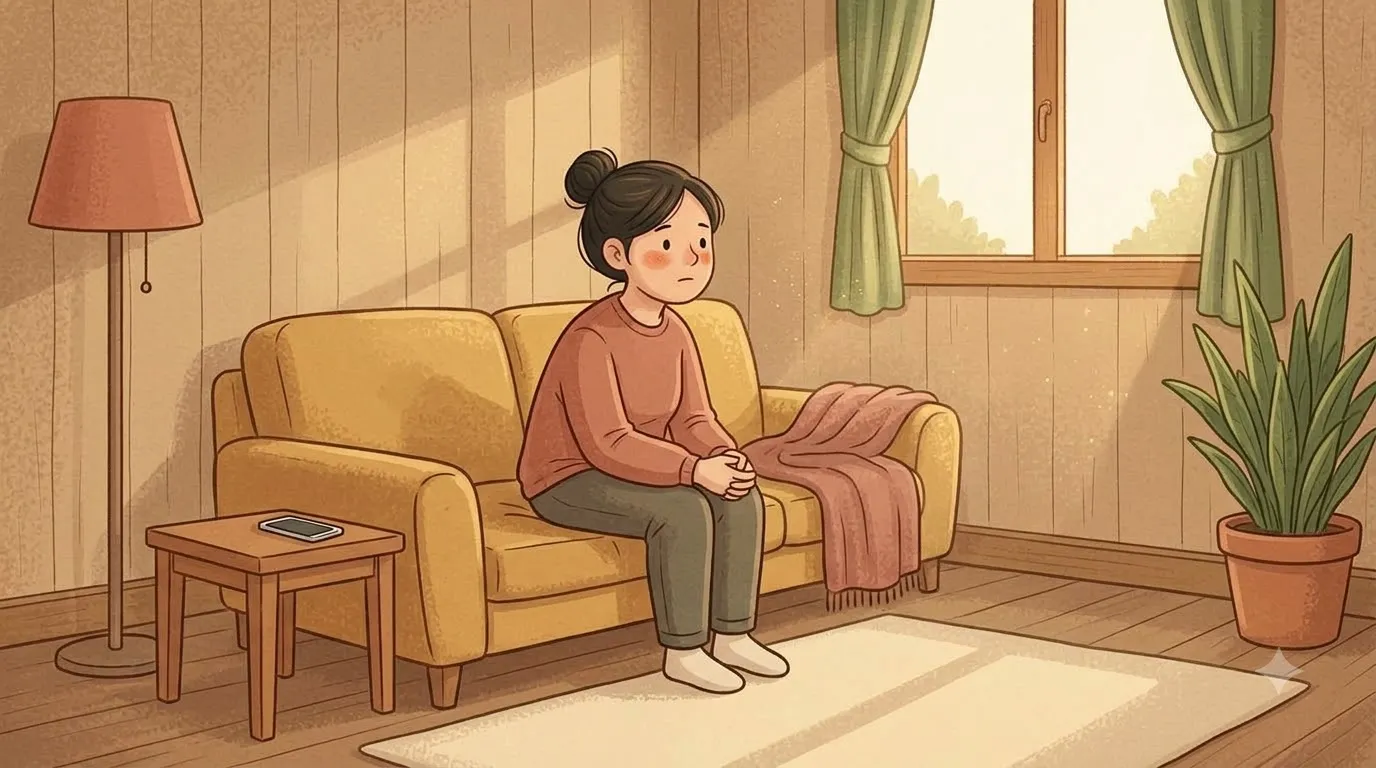
Slowing down meant sitting with a feeling I had been outrunning. When you stop filling every gap, the gaps are still there, and they contain whatever you were avoiding. For me it was a low, persistent sense that I should be doing more — more productive, more interesting, more something — and that four minutes watching a snail was evidence that I was falling behind people who weren’t.
Nobody tells you that being present can feel, initially, like doing nothing. It took weeks before it stopped feeling like a failure of ambition and started feeling like a choice.
It also didn’t make me a calm person. I still rush. I still catch myself saying “quickly, quickly” at the door for no reason. The difference is that I notice now, and noticing is most of it.
What I Got Back
My daughter talks to me more. That’s the clearest change, and it surprised me most.
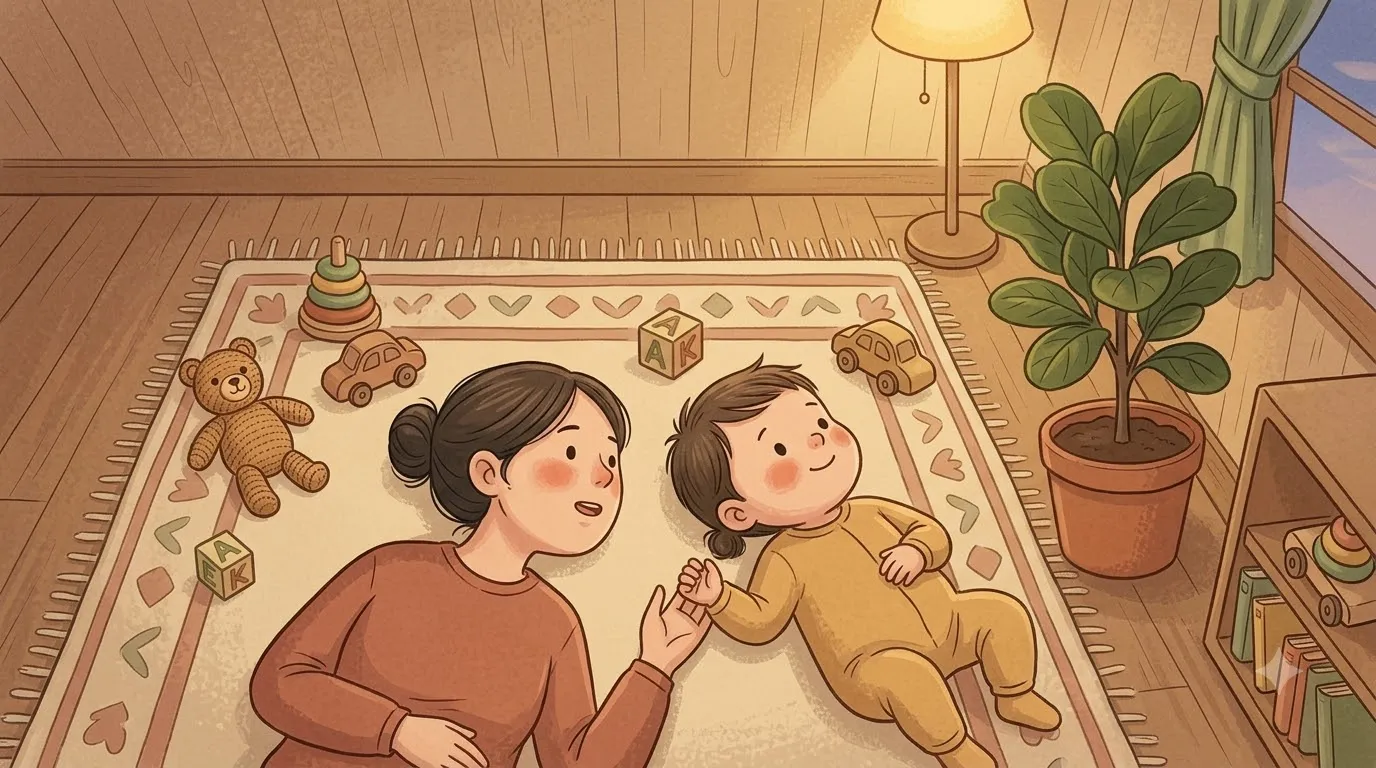
Children tell you things in the gaps — not when you ask them a direct question, but when you’re walking slowly enough beside them that something occurs to them. Every bit of real conversation I’ve had with my daughter has happened in dead time: on a slow walk, waiting for a bus, lying on the floor doing nothing in particular. When I filled all of that time with transit and transitions, there was simply nowhere for it to happen.
I enjoy her more, too, which is an uncomfortable thing to write because of what it implies about before. I don’t think I was enjoying her very much when every interaction was a negotiation about pace.
And the days feel longer. Not in the exhausting sense. The ones where we slow down are the ones I can actually remember afterward.
If You’re Reading This at the End of a Fast Day
I’m not going to tell you to cherish every moment. That advice has never helped anyone, and it’s usually offered by people who aren’t currently doing the hard part.
What I’d say instead is smaller: pick one transition tomorrow — the morning, the walk, the bath — and take the pressure out of just that one. Leave earlier for it. Don’t narrate what comes after it. Let it take the time it takes.
It won’t fix the day. But you’ll likely notice, as I did, that the part you were rushing through was the part worth having.
The snail, for the record, made it across. My daughter still mentions it sometimes, more than a year later. I would have told you nothing happened that afternoon.