


The first time my daughter came home from preschool and refused to answer me in Mandarin, I understood exactly what we were up against.
She was four. She understood the question perfectly — I could see it land. She just answered in English, quickly, the way you answer in the language that feels like less work. And then she went back to playing, completely unaware that something small had just shifted in our house.
That was the moment I stopped assuming bilingualism would happen on its own, just because we live in Singapore.
The Assumption We Got Wrong

We had made the same calculation a lot of families here make. Mandarin is a compulsory second language in local schools. There’s Mandarin on the MRT announcements, in the hawker centre, at my in-laws’ dinner table. Surely, we thought, exposure would do most of the work.
What we underestimated was how dominant English becomes the moment a child enters the school system, and how quickly a child figures out which language gets them what they want with the least effort. Between English-medium instruction, English-speaking friends, English cartoons and English in most of the city around them, Mandarin quietly became the language my daughter understood but didn’t choose.
There’s a term for this that I only learned later: passive bilingualism. The child comprehends the second language fully but responds almost entirely in the dominant one. It’s extremely common here, and it’s not a failure of ability. It’s a failure of necessity — the child has simply never encountered a situation where they had to use the language.
That distinction changed everything about how we approached it.
What We Changed
We gave Mandarin a person, not a schedule
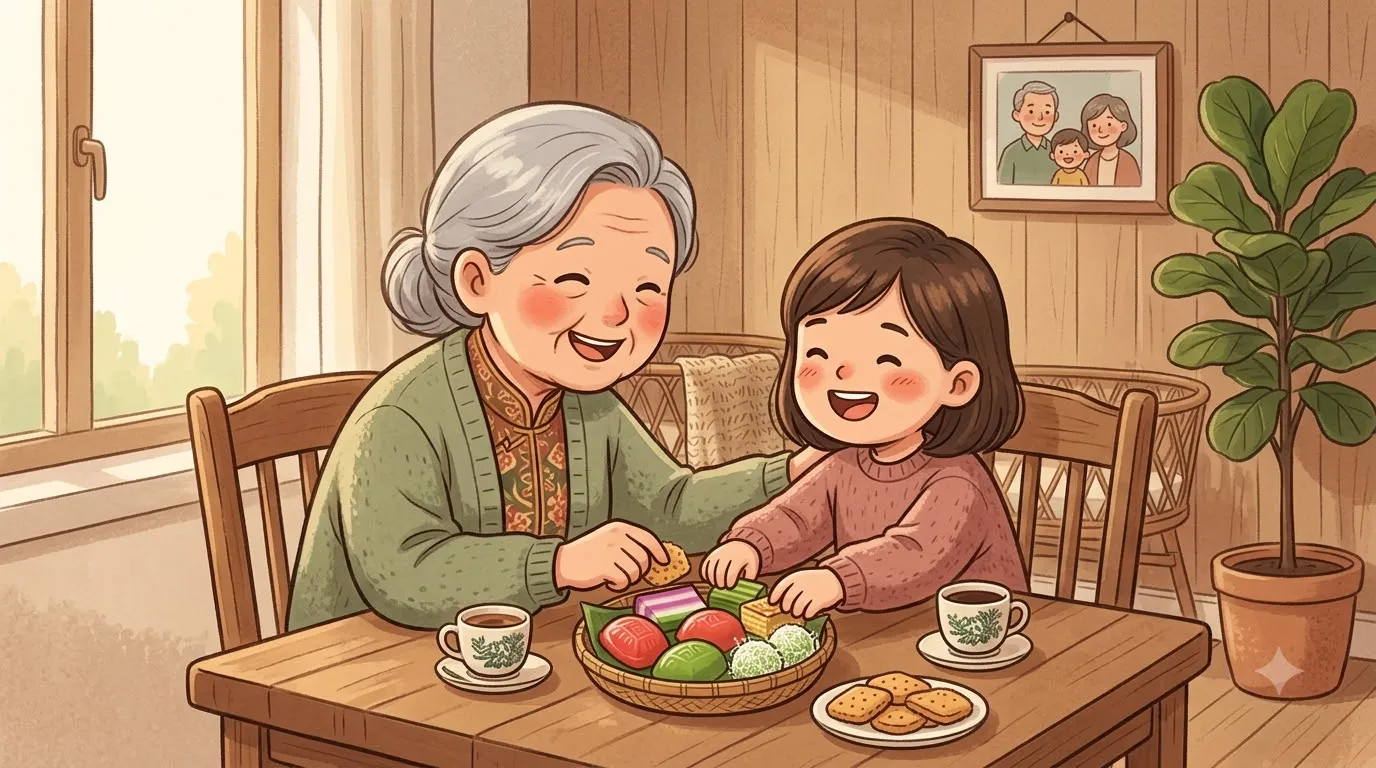
The single most effective thing we did was stop treating Mandarin as a subject and start attaching it to a relationship. My mother-in-law speaks almost no English, and we began sending our daughter to her two afternoons a week — not for lessons, just for time.
Suddenly Mandarin wasn’t homework. It was the only way to ask 阿嬤 for a snack, to explain what happened at school, to be understood by someone she loved. Necessity did in a few months what flashcards hadn’t done in a year.
If you don’t have a relative in this position, the same principle applies to a Mandarin-speaking helper, a regular playdate with a Mandarin-dominant family, or a weekend class where the teacher genuinely doesn’t switch to English. What matters is that the language belongs to someone real.
We stopped accepting English answers to Mandarin questions

This one felt harsh at first, and I’ll be honest that it caused some frustration on both sides. But it was necessary.
When she answered an English sentence to a Mandarin question, we’d pause and repeat the question — not sternly, just with the same expectant look you’d give anyone who hadn’t quite responded. If she was stuck, we’d offer the phrase and let her repeat it, then move on without making it a lesson.
The rule we eventually settled on: never punish the English, but never let it fully work either. Comprehension without production is a habit, and habits only change when the easier path stops being quite so easy.
We picked one consistent home structure and stuck with it
We tried the “one parent, one language” approach first, since my husband’s Mandarin is far stronger than mine. It didn’t hold — his work hours meant she got maybe an hour of him on weekdays.
What worked better for us was a time-and-place split: Mandarin at dinner and for the entire bedtime routine, English the rest of the time. It’s not the purest approach, but it was the one we could actually sustain, and consistency mattered far more than choosing the theoretically superior method.
We made Mandarin the fun language, not the strict one

For a while, we had accidentally made English the language of play and Mandarin the language of correction — every Mandarin interaction was someone reminding her of something. No child chooses that.
So we deliberately moved the good stuff over. Her favourite cartoons switched to the Mandarin audio track. Bedtime stories, the ones she actually begged for, became Mandarin-only. Weekend outings got narrated in Mandarin because that was when everyone was in a good mood anyway.
We accepted that reading and writing are a separate battle
Speaking fluency did not translate into Chinese character recognition. At all. 汉字 require dedicated, fairly repetitive work, and no amount of conversational exposure produces them by itself.
We started small — labelling things around the house, reading simple character books together at bedtime, twenty minutes at a time rather than an hour. The goal was regularity rather than intensity, largely because anything longer than twenty minutes turned into a fight neither of us won.
What Didn’t Work
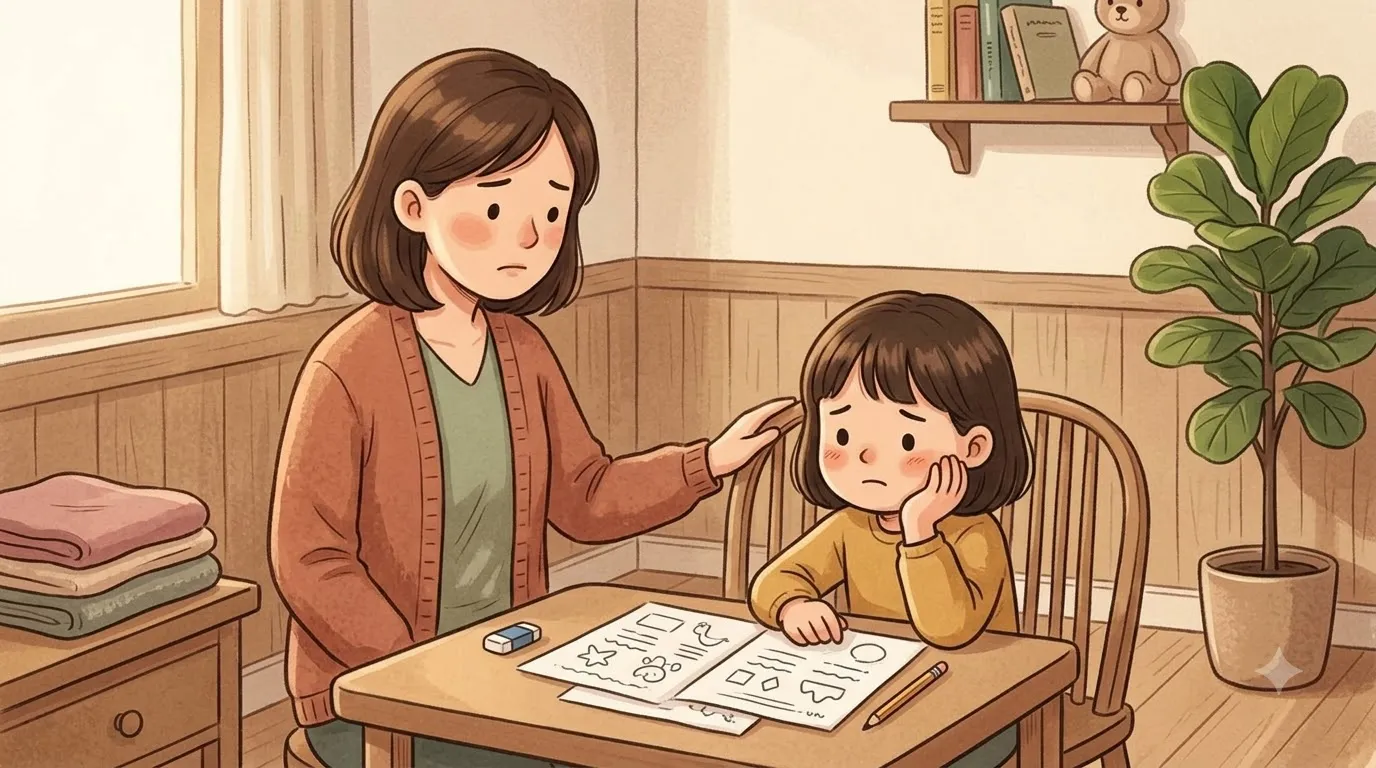
Enrichment classes alone. We enrolled her in a weekly Mandarin class early on and treated it as the solution. Ninety minutes a week against forty hours of English is not a fair fight. The class was useful later, once she already had a reason to speak — but it was never going to create that reason on its own.
Bribing or rewarding Mandarin use. It produced short bursts of compliance and no lasting change. Worse, it framed the language as a chore worth being compensated for.
Comparing her to other children. Every family here seems to have a cousin whose child recites 唐诗 at three. That comparison never once helped my daughter, and it made me anxious in a way she could clearly sense.
Worrying that two languages would slow her down. This is the fear that gets repeated constantly, and it kept me second-guessing early on. Bilingual children may mix languages or have a smaller vocabulary in each language individually for a period, but their combined vocabulary is typically comparable to their peers, and the mixing resolves with time.
Where We Are Now
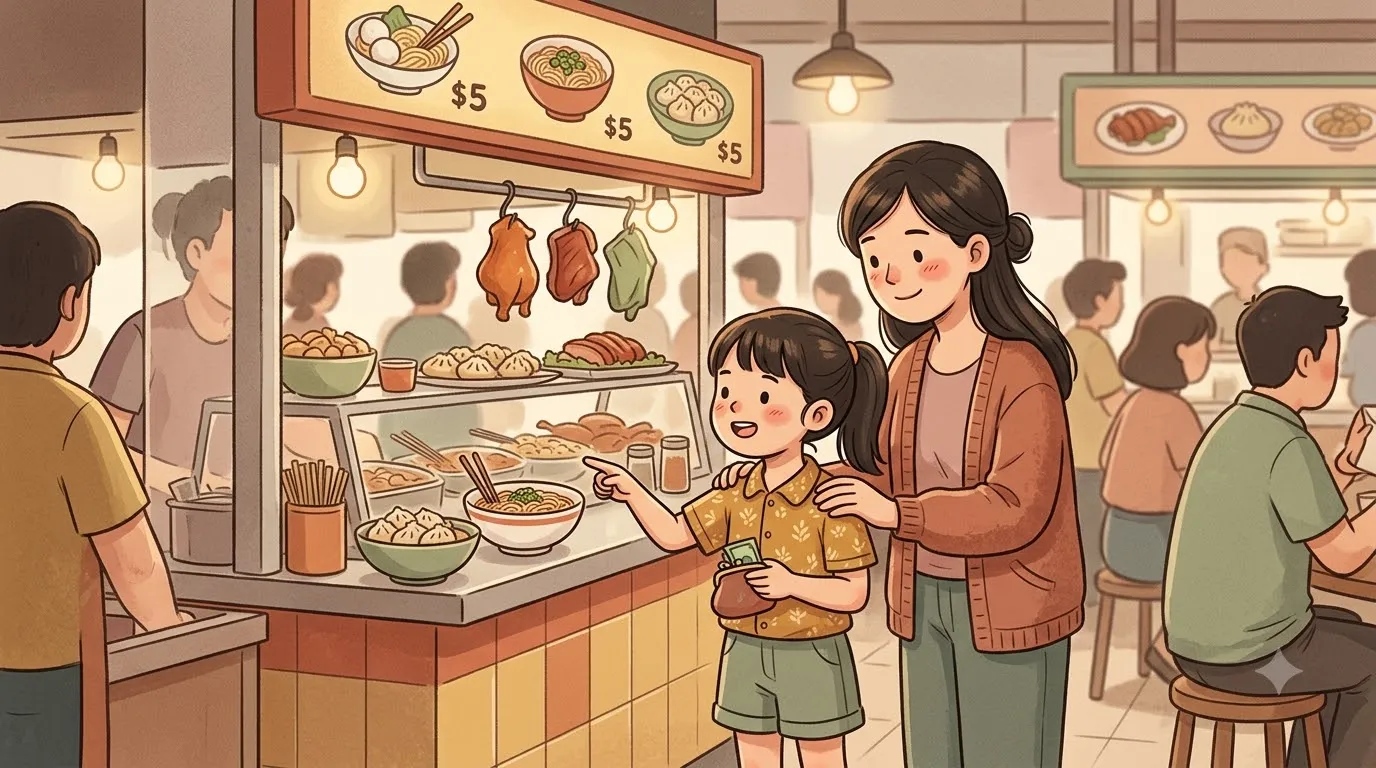
She’s seven now, and I’d call her genuinely bilingual in speech — not perfectly balanced, and English is still clearly her stronger, faster language. Characters remain the harder road, and probably will for years.
But she argues with her grandmother in Mandarin. She switches without being asked when someone at a hawker stall addresses her in it. Last month she corrected my tones, which was both humbling and, I think, the clearest evidence that something took.
If You’re Starting This
The thing nobody told us, and the thing I’d say to any family here: bilingualism in Singapore isn’t automatic, and it isn’t primarily about exposure. Your child will hear plenty of Mandarin. What they need is a reason to produce it — a person, a routine, a moment where English genuinely isn’t the easier option.
Everything else — the classes, the apps, the character worksheets — works far better once that reason exists, and barely works at all before it does.