


There is a moment many parents know too well: your child grabs a toy from another child, the other child starts to cry, and suddenly every adult nearby seems to be waiting to see what you will do next. You feel the pressure immediately, so you say the phrase that comes out almost automatically: “Be nice.”
It sounds like the right thing to say. It sounds gentle, moral, and parent-like. But your child is still standing there with the toy in their hands, their face tight with frustration, and no clear idea what “nice” is supposed to mean right now. Should they give the toy back? Say sorry? Wait? Hug the other child? Stop shouting? Use a softer voice?
If you have ever wondered how to teach kids to be kind without just saying be nice, you probably already know that kindness is too big and too abstract to be taught through one vague reminder. Children need more than a label. They need examples, words, practice, boundaries, and many chances to repair when they get it wrong.
Kindness is not something children learn from one speech, one perfect apology, or one reminder in the middle of a conflict. It is a skill they build slowly through ordinary moments: waiting for a turn, using gentle hands, noticing when someone is sad, saying sorry with meaning, and learning that their actions affect other people.
Kindness Is a Skill, Not a Personality Label
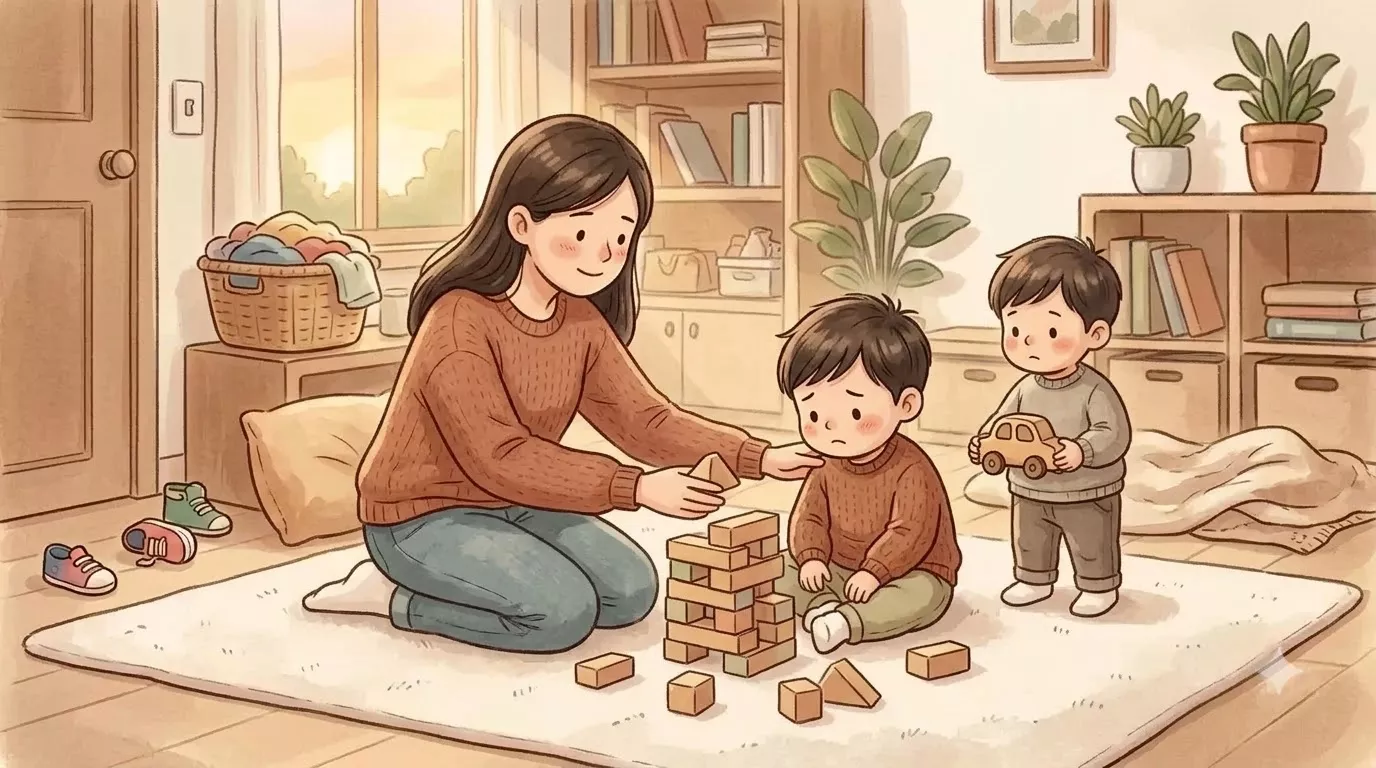
It is tempting to describe children as kind or unkind very early. One child shares easily, so we call them sweet. Another grabs, shouts, or refuses to share, so we worry they are selfish. But children are still developing the emotional and social skills that kindness requires, and many of the behaviours adults call “unkind” are actually signs that a child is overwhelmed, impulsive, tired, jealous, or still learning how to think beyond their own immediate wants.
A young child is not born knowing how to wait patiently while another child plays with the exact toy they want. They are not born knowing how to notice another person’s facial expression, connect it to a feeling, and choose a caring response. These things take time. They require language, emotional regulation, impulse control, and repeated guidance from adults.
That is why it helps to talk about kindness as something your child is learning, not something they either are or are not. Instead of saying, “You are being bad,” or “Why are you so mean?” we can say, “You are still learning how to be kind when you feel upset,” or “You wanted the toy, and now we need to practice what to do next.”
This keeps the door open for growth. A child who grabs today can learn to ask tomorrow. A child who yells today can learn to use a calmer voice. A child who hurts someone today can learn how to repair. The goal is not to raise a child who never makes selfish choices. The goal is to raise a child who slowly becomes more aware, more responsible, and more able to choose care even when it is hard.
Why “Be Nice” Usually Does Not Work
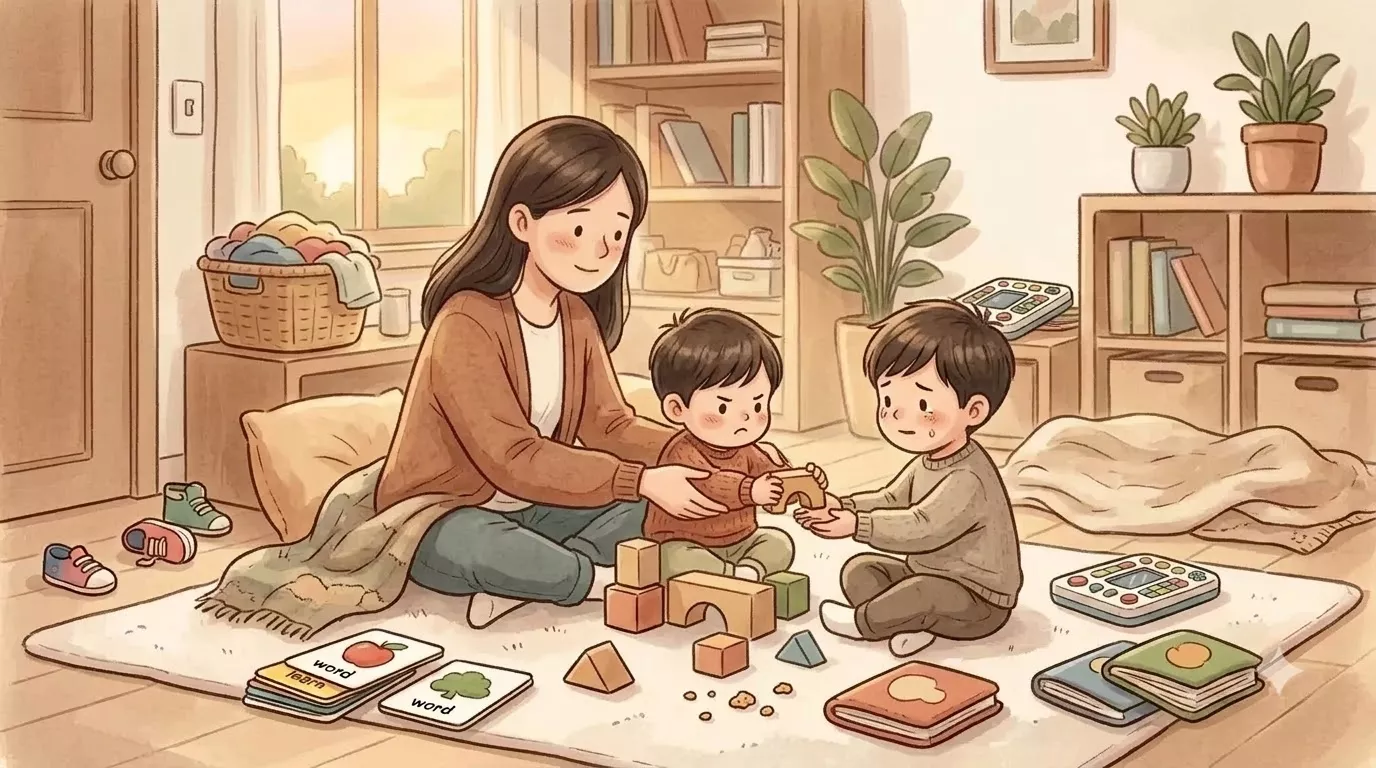
“Be nice” is not a bad phrase, but it is usually too vague to be useful in the moment. Adults understand that “nice” may mean sharing, waiting, speaking gently, including someone, or stopping hurtful behaviour. Children, especially younger ones, often need the exact next step spelled out for them.
When a child is already upset, jealous, or overstimulated, abstract language becomes even harder to process. They may hear your voice, but they may not understand what action you want. That is why clear, short instructions work better than broad moral reminders.
Instead of only saying, “Be nice,” try giving your child a specific action: “Gentle hands,” “Give the toy back,” “You can say, ‘Can I have a turn?’” or “You can be angry, but I will not let you hit.” These phrases are more helpful because they show your child what kindness looks like in real life. Kindness becomes something they can do with their hands, voice, and body, not just a word they are supposed to understand.
The same applies when another child is upset. Rather than saying, “That wasn’t nice,” you can guide your child toward noticing and repairing: “Look, she is crying because the toy was taken from her hands. Let’s give it back and ask for a turn.” This does not shame the child, but it does help them connect their action with another person’s feeling.
Start by Showing Kindness at Home
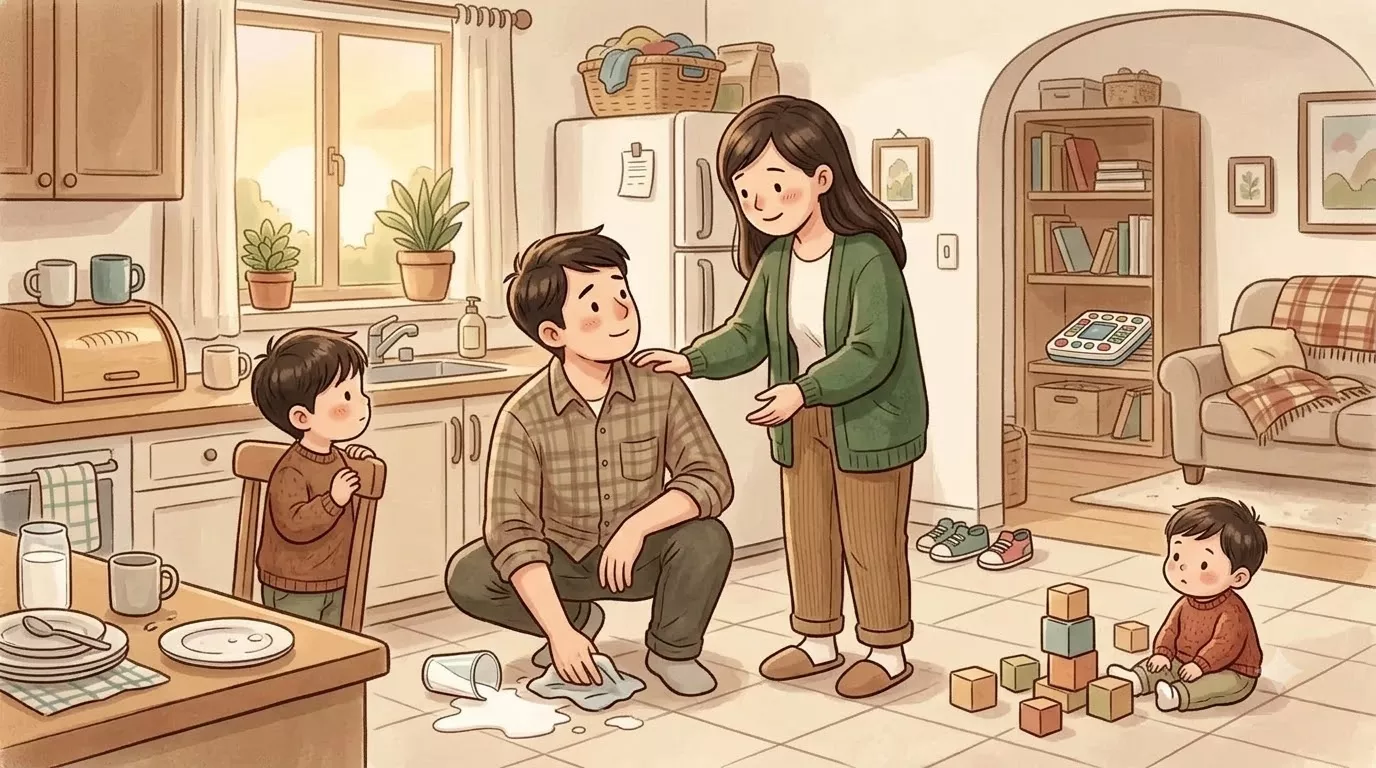
Children learn kindness first by watching how the people around them treat one another. They notice how you speak to your partner when you are tired, how you respond when they spill something, how you talk to delivery riders, cashiers, grandparents, siblings, and strangers. They notice whether apologies happen in your home, whether mistakes are repaired, and whether people are treated with respect even when emotions run high.
This does not mean you need to be endlessly patient or gentle every second of the day. No parent is. What matters is that your child sees kindness as something lived, not just something demanded from them. If you snap, you can come back and say, “I’m sorry I used a sharp voice. I was frustrated, but I should have spoken more gently.” That one repair can teach more than a lecture about kindness.
You can also make everyday kindness visible by narrating it in simple ways. “Dad looks tired, so let’s give him a quiet minute.” “The auntie dropped something; I’m going to help her pick it up.” “Thank you for waiting while I finished talking.” “Your sister is sad. Let’s see what happened.”
These moments may seem small, but they create the emotional atmosphere your child grows inside. When a child is treated with patience, respect, and repair, they begin to understand what those things feel like. Over time, they are more likely to carry that feeling into the way they treat others.
For Toddlers: Teach Gentle Hands and Simple Words
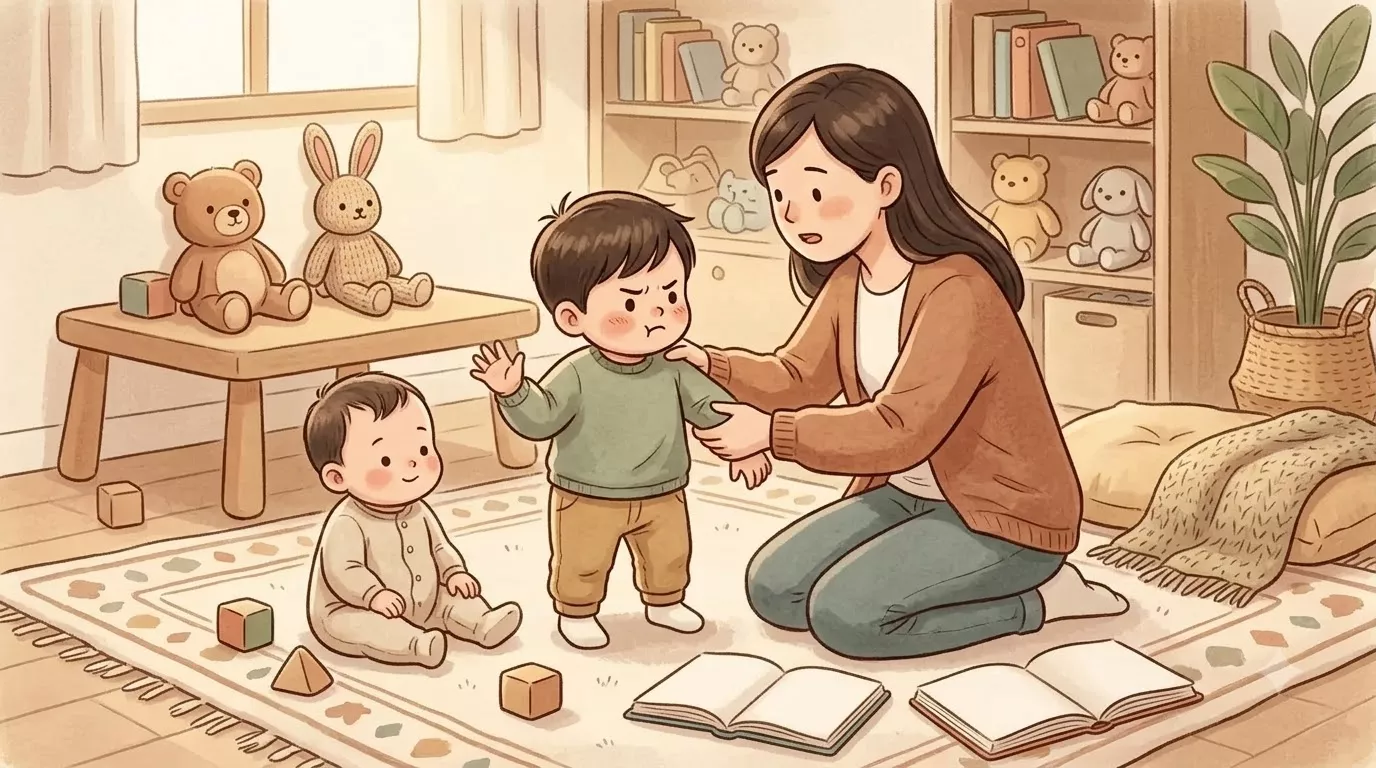
Toddlers are still learning impulse control, language, and the idea that other people have feelings separate from their own. That is why kindness for toddlers needs to be concrete, physical, and simple. A toddler may not understand a long explanation about empathy, but they can begin to learn that hands can be gentle, toys can be returned, and words can replace hitting.
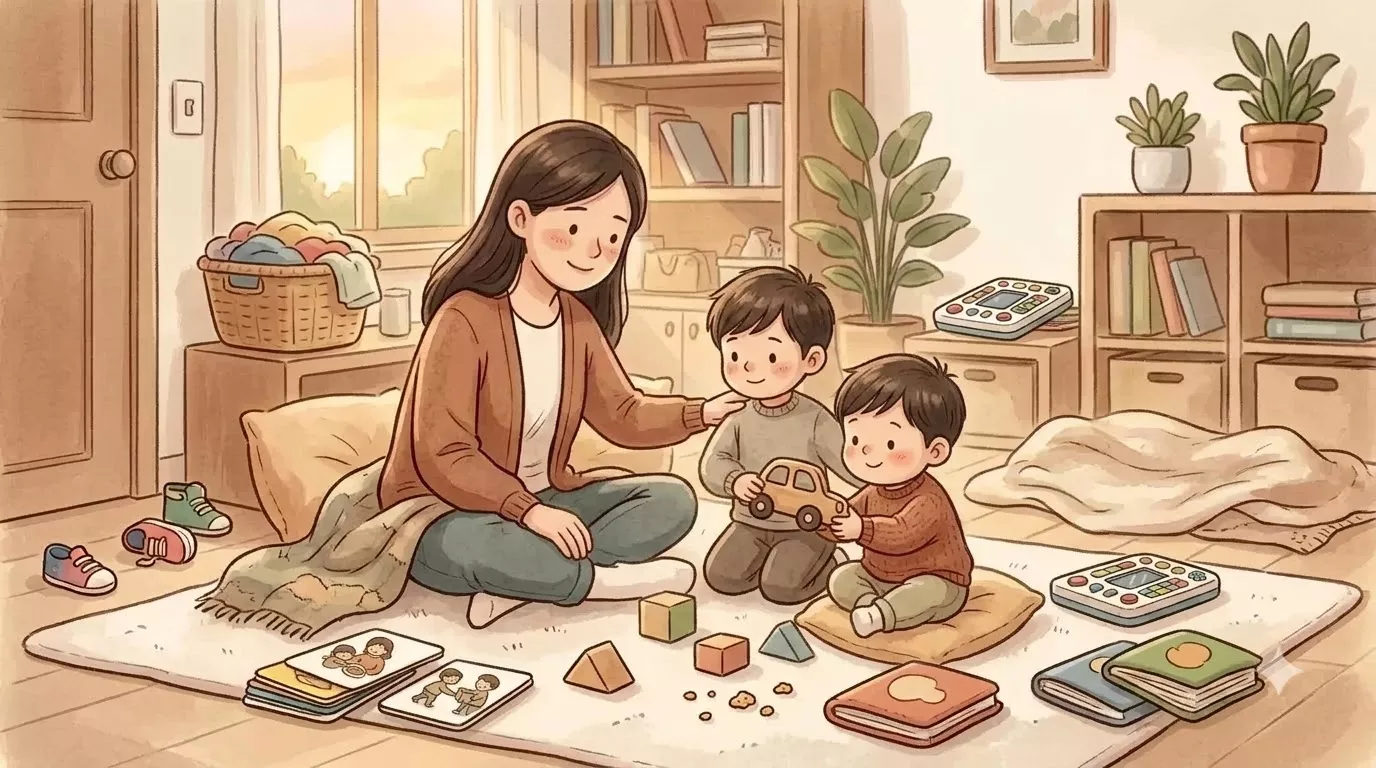
At this age, your job is often to stop the hurt first and teach after. If your toddler hits, pushes, grabs, or throws, a calm boundary is more useful than a big reaction. You can say, “I won’t let you hit,” while gently blocking their hands. Then give them the words they do not yet have: “You wanted the truck. You can say, ‘turn please.’”
It is also important not to expect mature sharing too early. For many toddlers, giving up a toy feels like losing it forever, so forced sharing can create more distress than understanding. Instead, you can teach turn-taking: “You are using it now. When you are done, she can have a turn,” or “He has the car right now. You can choose another toy while you wait.”
Simple phrases are powerful at this age because they are easy to repeat. “Gentle hands.” “Use words.” “Stop means stop.” “My turn, please.” “Help, please.” “I won’t let you hurt.” These are not magic words, but with repetition, they become tools your toddler can slowly begin to use.
For Preschoolers: Name Feelings and Notice Others
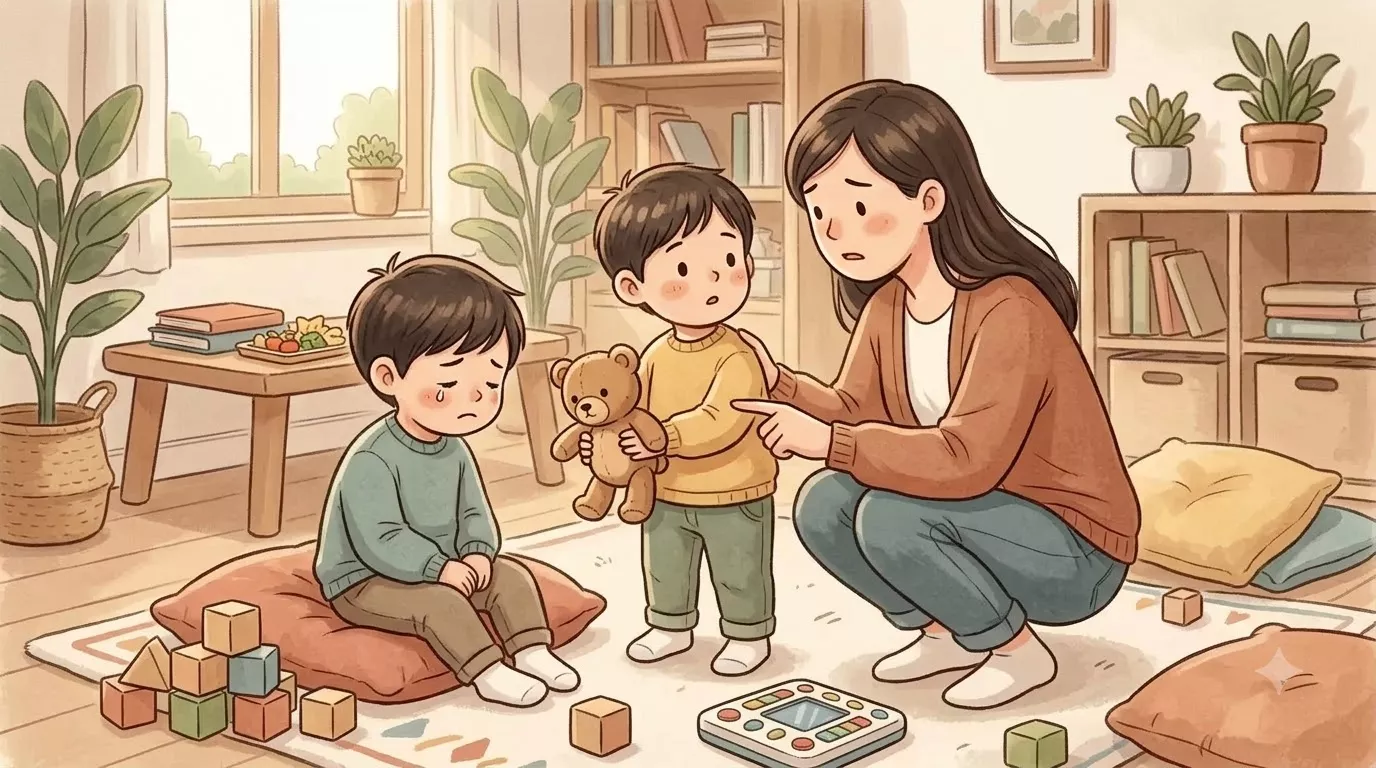
Preschoolers are often more ready to notice feelings, though they still need a lot of help understanding what to do with what they notice. This is a good age to gently connect actions with emotions, because children are beginning to understand that another person can feel sad, scared, angry, or left out because of what happened.
Instead of asking, “Why would you do that?” which can make a child defensive or ashamed, try helping them observe the situation. You might say, “Look at his face. He looks sad,” or “She moved away when you shouted. Maybe she needs space.” These small observations help your child slow down and see the other person as a person, not just an obstacle between them and what they want.
You can also invite simple acts of care. If a sibling is crying, you might ask, “What could help?” If a friend falls down, you can say, “Let’s check if she is okay.” If someone feels left out, you can suggest, “Should we ask if he wants to play too?” The goal is not to force a perfect response, but to help your child practice noticing and responding.
Preschoolers still need boundaries, of course. Kindness does not mean allowing them to continue hurtful behaviour while you explain feelings. You can stop the behaviour first, then guide empathy after. “I won’t let you push. He fell and he is crying. Let’s help him up and give him space.”
For School-Age Kids: Practice Repair, Not Just Apology
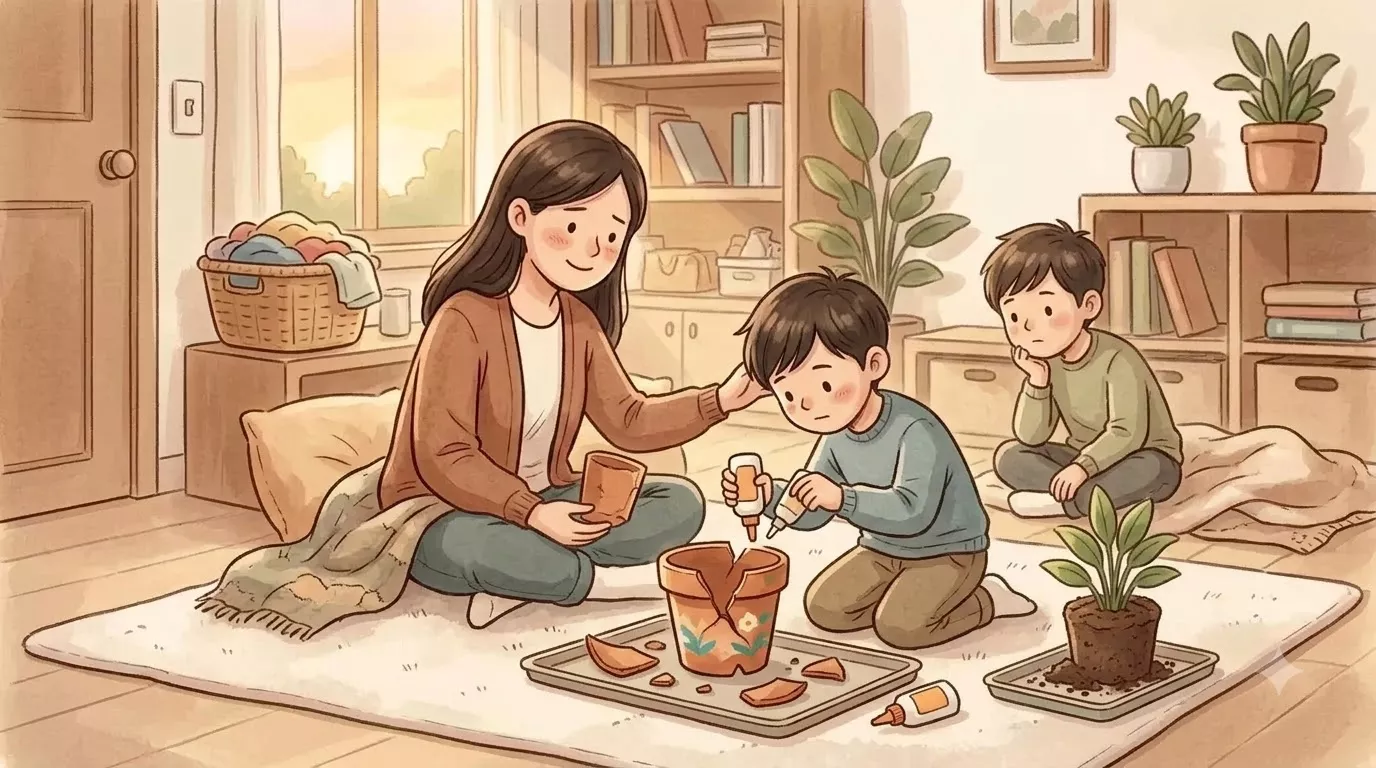
As children grow older, they can begin to understand that saying “sorry” is only one part of kindness. An apology matters, but it is not a magic word that automatically fixes what happened. If a toy is broken, a friend is embarrassed, or someone’s feelings are hurt, kindness also means learning how to repair.
Repair teaches responsibility without turning the child into the problem. The message is not, “You are bad.” The message is, “Your action affected someone else, and you are capable of making a better next choice.” This is an important difference because shame often makes children hide, deny, or shut down, while repair gives them something constructive to do.
For a school-age child, repair might sound like, “I knocked down your tower, so I will help rebuild it,” or “I said something hurtful, so I will apologise and give her space.” It can also sound like, “I took your pencil. Here it is back,” or “I made the mess, so I will help clean it up.”
You can teach your child to ask, “What can I do to make it better?” This question is useful because it moves them beyond a quick apology and toward real responsibility. Over time, children learn that kindness is not about never making mistakes. It is about what we do after our mistakes have affected someone else.
Teach Boundaries Alongside Kindness
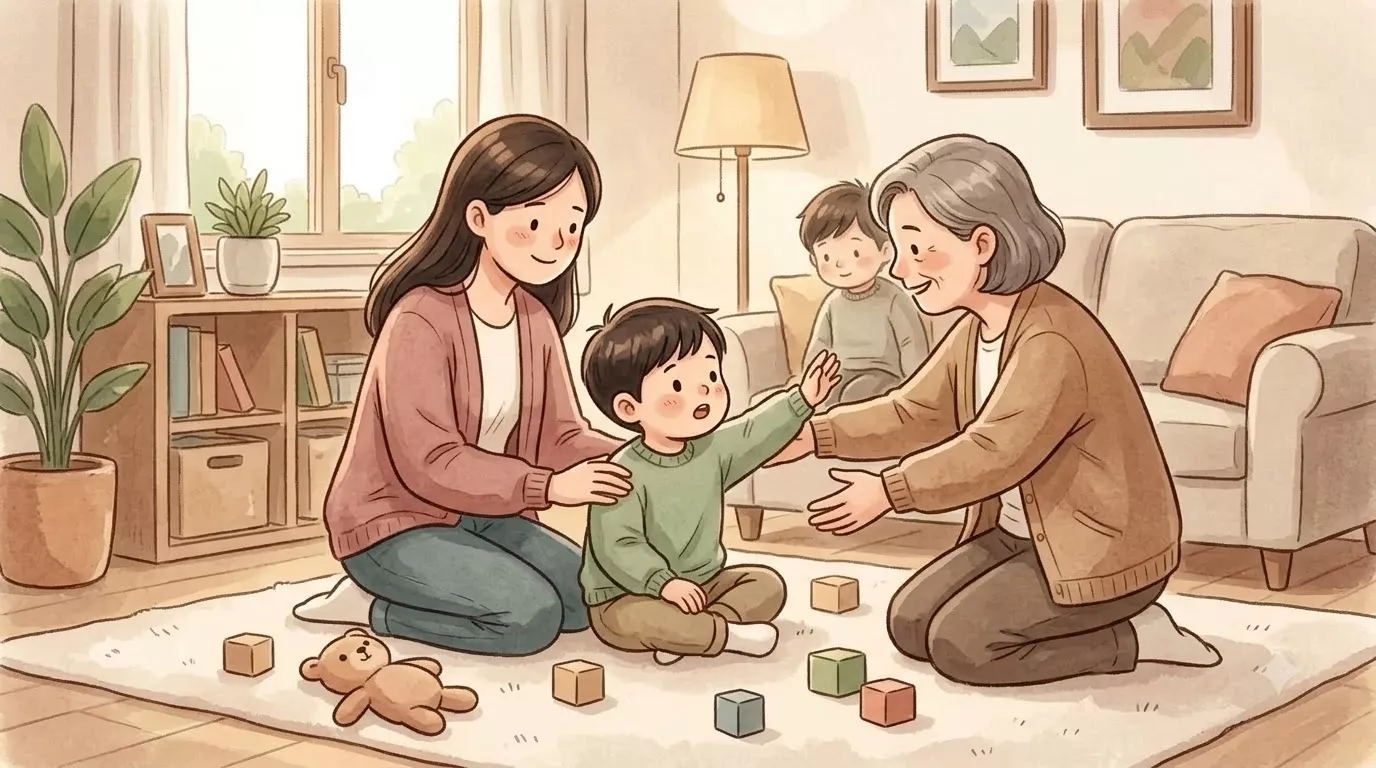
One of the most important parts of raising a kind child is teaching that kindness does not mean always saying yes. A child can be kind and still have boundaries. They can be caring and still refuse a hug. They can be generous and still say, “I’m using this right now.” They can be gentle and still use a strong voice when someone is hurting them.
This matters because some children naturally want to please adults or avoid conflict. If we only praise them for being easy, agreeable, and self-sacrificing, they may begin to think kindness means ignoring their own discomfort. That is not true kindness. That is self-abandonment.
You can teach both care and boundaries with simple phrases: “You can be kind and still say no,” “You do not have to hug if you do not want to,” “Kindness does not mean letting someone hurt you,” and “You can use a strong voice without being mean.”
This kind of teaching helps children understand that other people matter, but so do they. They learn to care about feelings without becoming responsible for everyone’s feelings. They learn to share without believing they must give up everything. They learn that kindness and self-respect belong together.
Use Stories, Books, and Everyday Moments
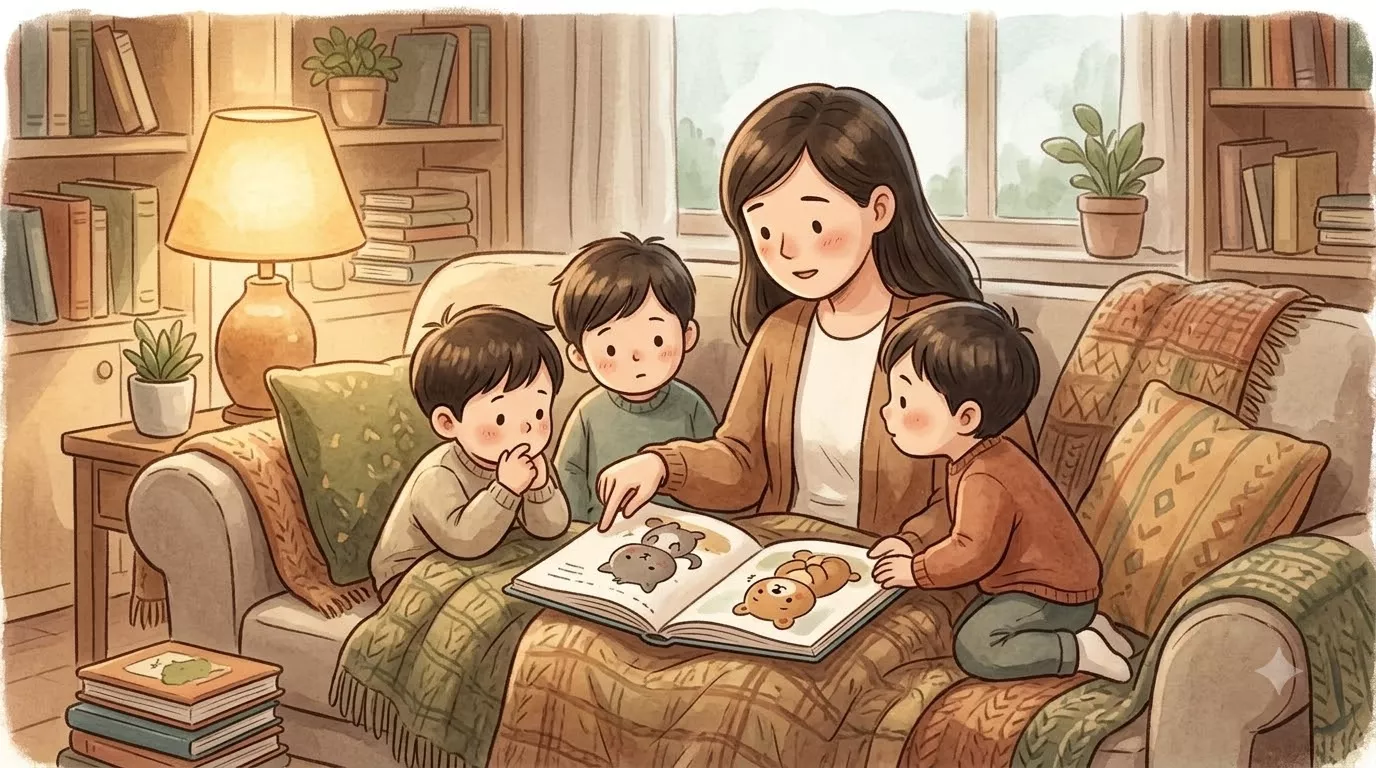
Books and stories are wonderful tools for teaching kindness because they let children practice empathy without being in the middle of a real conflict. When the situation belongs to a character, children can think more calmly about what happened, how someone might feel, and what could happen next.
While reading, you can pause and ask simple questions: “How do you think she felt?” “Why do you think he walked away?” “What could they do now?” “Was that a kind choice?” These questions do not need to become a lesson every time. A few gentle moments are enough.
Everyday life also gives endless chances to practice noticing. Someone drops groceries. A baby cries. A friend is sitting alone. A sibling feels disappointed. A grandparent needs help carrying something. You can point these moments out without turning them into long moral speeches: “She dropped her bag. Let’s help,” or “He looks lonely. Should we ask if he wants to join?”
The more often children see kindness in small, ordinary situations, the more natural it becomes. Kindness stops being a rule they only hear after doing something wrong and becomes a way of paying attention to the world.
Praise Specific Kind Actions
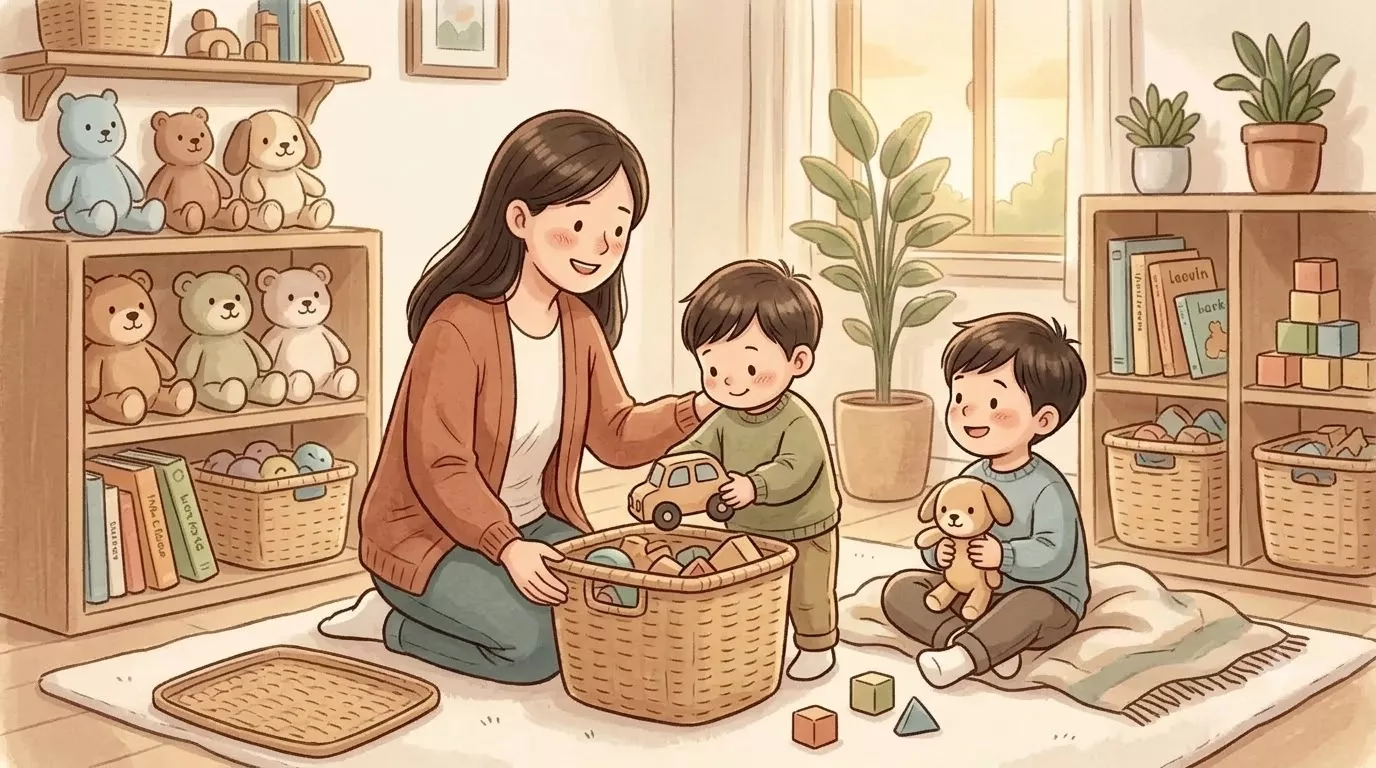
When your child does something kind, try to name exactly what they did. “Good job” is fine, but specific praise helps children understand which behaviour is worth repeating. It also helps them see kindness as a set of choices they can make again.
Instead of only saying, “You’re so kind,” you might say, “You waited even though it was hard,” or “You noticed she was sad and brought her a tissue.” You can say, “You used gentle hands with the baby,” “You gave him space when he asked,” or “You helped clean up without being asked.”
This kind of praise works because it connects the child’s action to its impact. They learn that waiting, noticing, helping, repairing, and using gentle words are all part of kindness. They also learn that kindness is not just a personality trait they must live up to perfectly. It is something they can practice through specific choices.
A label like “you are kind” can feel lovely, but a phrase like “that was a kind choice” may be even more useful. It tells the child that kindness is something they did, something they can understand, and something they can do again.
What to Do When Your Child Is Not Kind
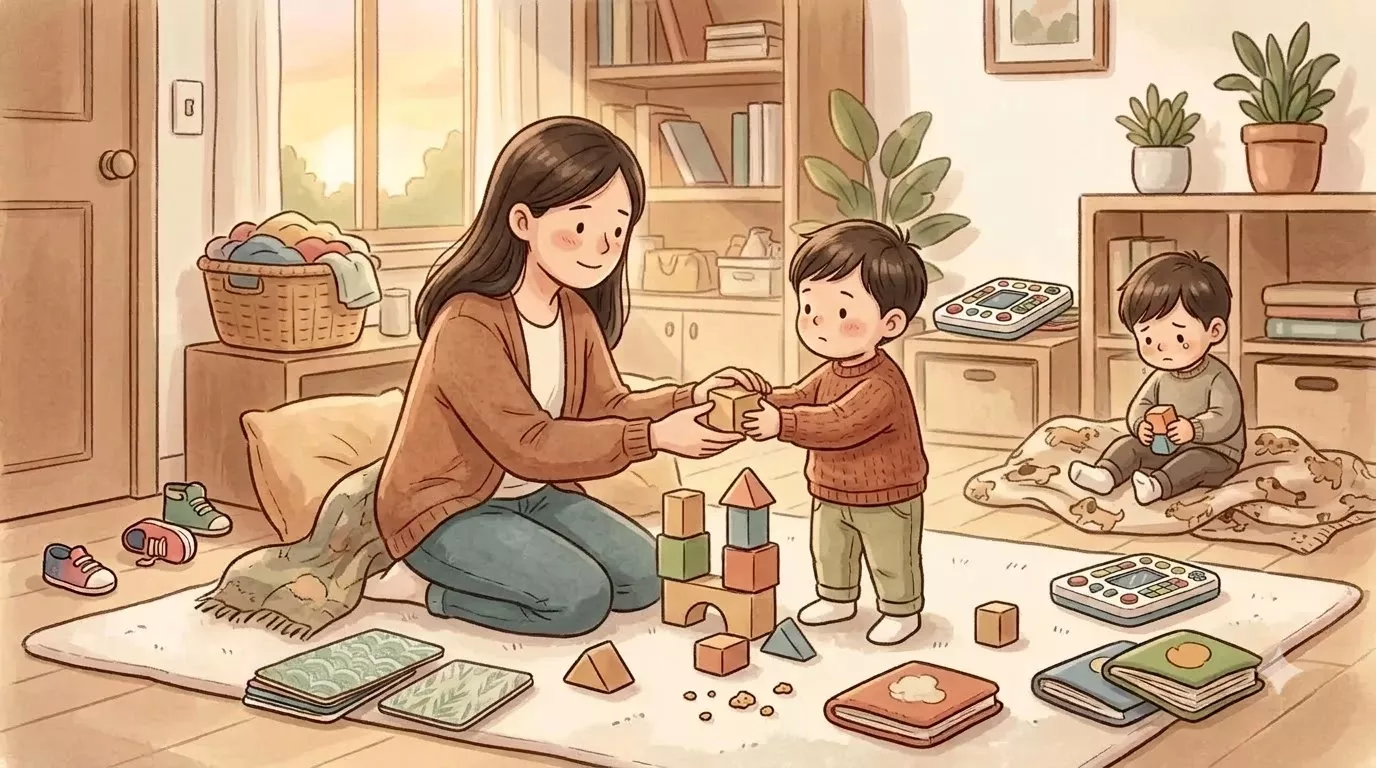
Your child will not always be kind. They will grab, interrupt, refuse to share, say something hurtful, laugh at the wrong time, or push when overwhelmed. This does not mean you are raising an unkind child. It means you are raising a child who is still learning.
When an unkind moment happens, try to move in a clear order. First, stop the hurt. “I won’t let you hit.” “I’m moving this away.” “Stop. That hurt him.” This step matters because children need to know that kindness is not optional when someone is being harmed.
Next, name what happened without turning it into a character attack. “You grabbed the truck from her hands.” “You shouted at your brother.” “You laughed when he fell.” Keep your voice steady if you can, because a child who feels deeply shamed may become too defensive to learn.
Then help your child calm down. A child who is screaming, crying, or flooded with anger usually cannot reflect well yet. Once they are calmer, guide repair: “Let’s check if he is okay,” “You can give the toy back,” “You can say, ‘I’m sorry I pushed you,’” or “You can help rebuild what broke.”
The point is not to excuse hurtful behaviour. The point is to teach what comes after it. Children need to learn that when they hurt someone, they do not have to collapse into shame or pretend nothing happened. They can stop, notice, repair, and try again.
Kindness Looks Different at Every Age
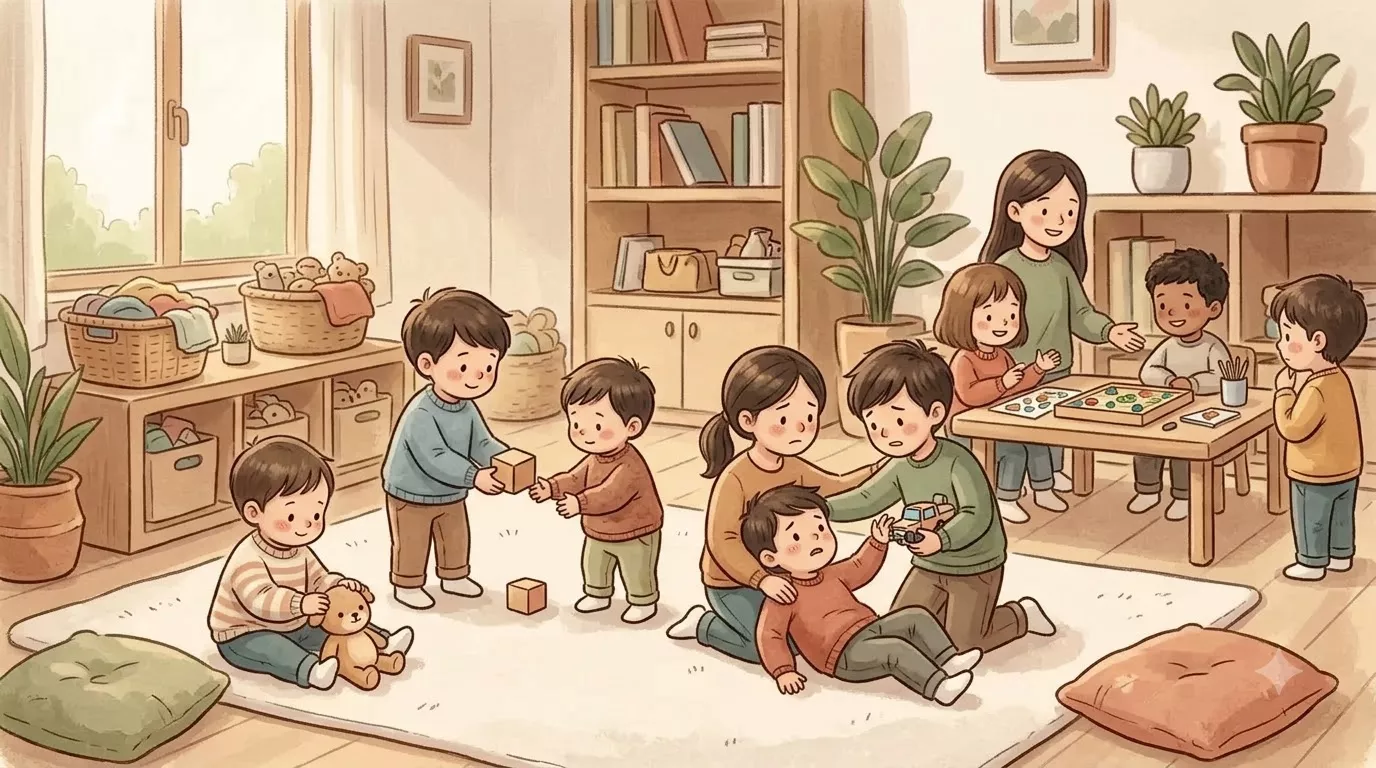
Kindness does not look the same at every stage of childhood. A toddler’s kindness may be learning not to hit, using gentle hands with support, or giving back a toy after an adult helps them. A preschooler’s kindness may be noticing that a friend is sad, offering a tissue, or asking someone to play. A school-age child’s kindness may involve a real apology, repairing harm, or including someone who has been left out.
As children get older, kindness becomes more layered. Older kids may need to learn how to be kind online, how to speak up when a joke becomes cruel, how to respect differences, and how to stay caring without following a group into mean behaviour. These are not small lessons, and they are not learned all at once.
This is why the goal should be progress, not perfection. If your toddler needs ten reminders to use gentle hands, they are still learning. If your preschooler only notices another child’s sadness after you point it out, they are still learning. If your older child apologises awkwardly but sincerely, they are still learning.
Raising a kind child is not about producing flawless behaviour in every situation. It is about helping your child become more aware, more responsible, and more willing to repair as they grow.
Raising a Kind Child Starts With How We Treat Them
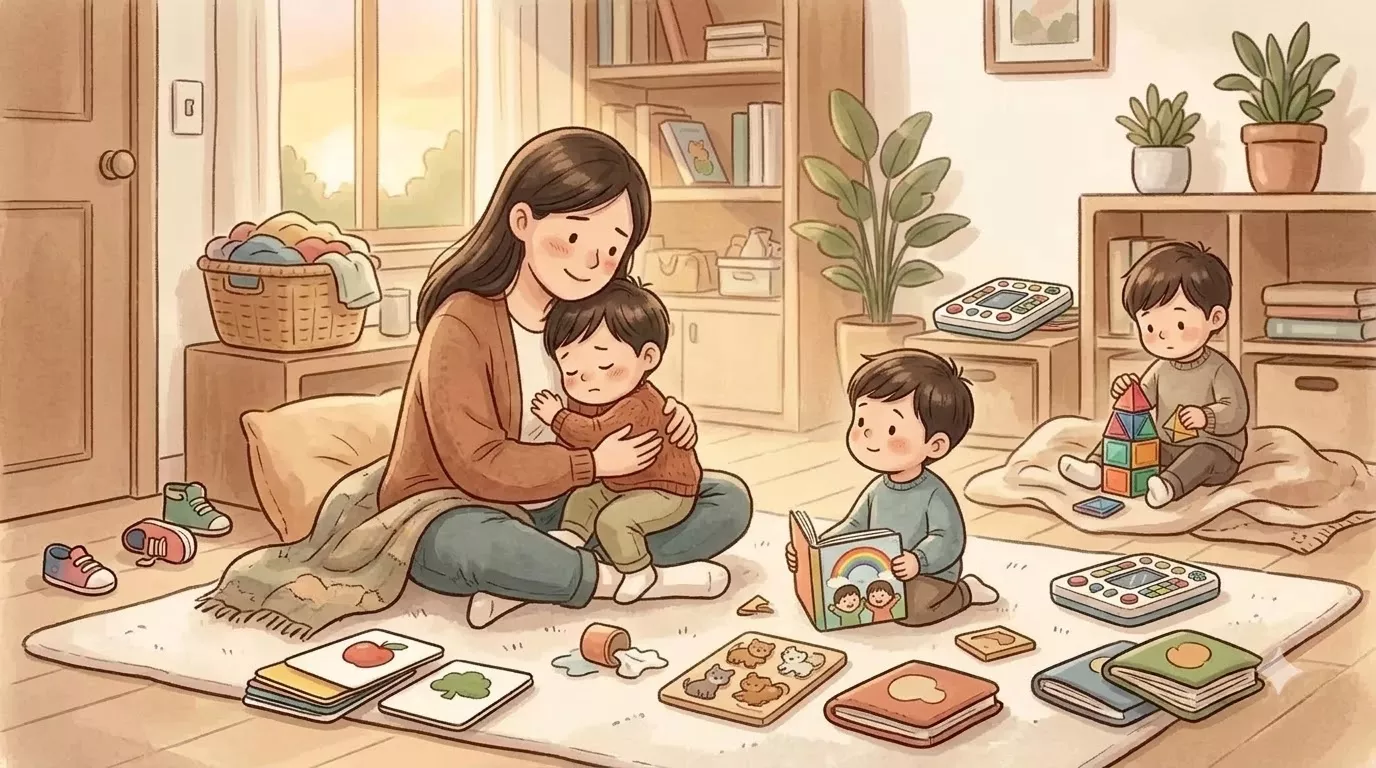
The deepest lessons about kindness are not the ones children hear from us. They are the ones they feel from us. A child learns kindness when they are listened to, when their feelings are taken seriously, when boundaries are set without humiliation, and when mistakes are treated as opportunities to learn instead of proof that they are bad.
This does not mean parenting without limits. Children need limits. They need adults who stop harmful behaviour, guide them clearly, and teach better ways to respond. But they also need to experience the same respect and repair we hope they will offer to others.
When we apologise after snapping, we teach repair. When we hold a boundary calmly, we teach safety. When we help them name a feeling, we teach awareness. When we believe they can do better after a hard moment, we teach hope.
We do not raise kind children by asking them to perform kindness perfectly. We raise them by showing them, again and again, what it feels like to be treated with patience, respect, repair, and love. Then, slowly, they begin to carry that feeling into the world.
Not every time. Not perfectly. But more and more, in small choices that matter: a gentler hand, a real apology, a friend included, a toy offered, a brave “stop” when someone is being hurt.
That is how kindness grows.
Not from saying “be nice” once, but from helping a child understand what kindness actually looks like, one ordinary moment at a time.