


I looked fine in the photos.
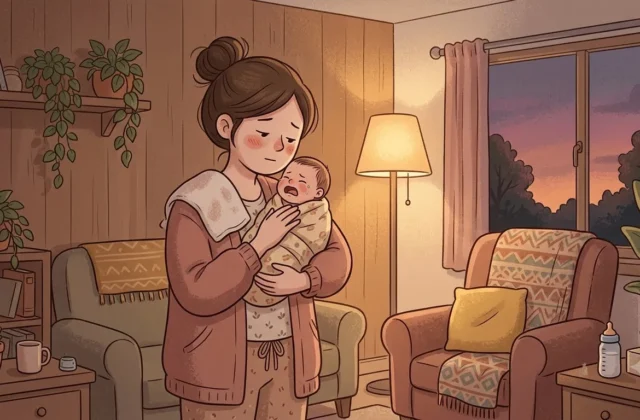
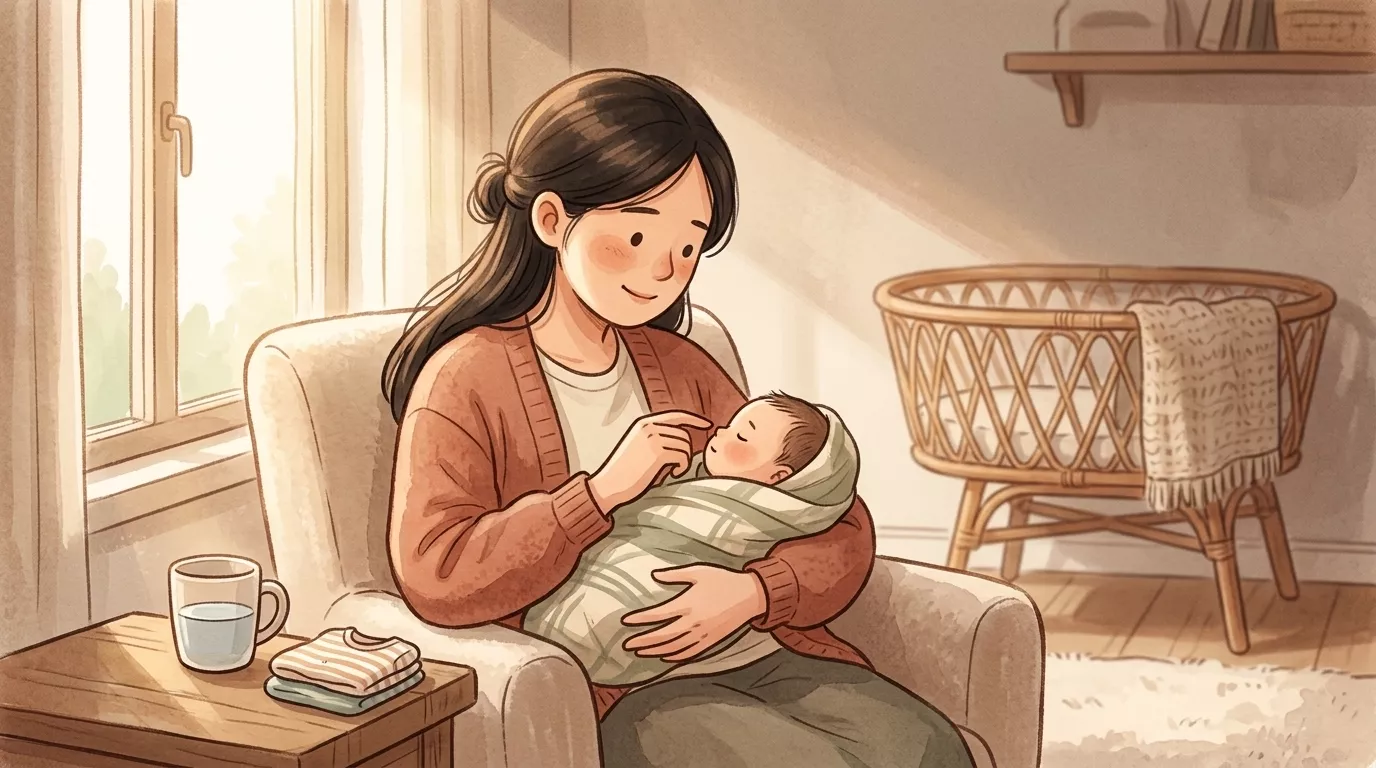
There I was, holding the baby in soft daylight, hair tied back, eyes tired but smiling. The room looked normal. The baby looked cared for. There were folded clothes in the background, a half-finished drink on the table, and all the small evidence of a life that seemed to be moving along.
People commented kind things.
“So sweet.”
“You’re glowing.”
“Enjoy every moment.”
And I wanted to be the person they saw.
I wanted to be the mother in the photo. Grateful, soft, tired in a normal way. The kind of tired that could be fixed with one good nap and a warm meal.
But inside, everything had gone quiet and grey.
If I had to describe how I got through postpartum depression without anyone knowing, I would not call it strength. I would call it hiding so well that even I almost believed I was fine.
Postpartum depression is not rare, and it is not a personal failure. SingHealth says postnatal depression affects about 10–15% of women after childbirth, and medical professionals take it seriously because it affects both mothers and families. But when it was happening to me, it did not feel like a condition with a name.
It felt like I was disappearing quietly while everyone thought I was coping.
I Looked Like I Was Coping
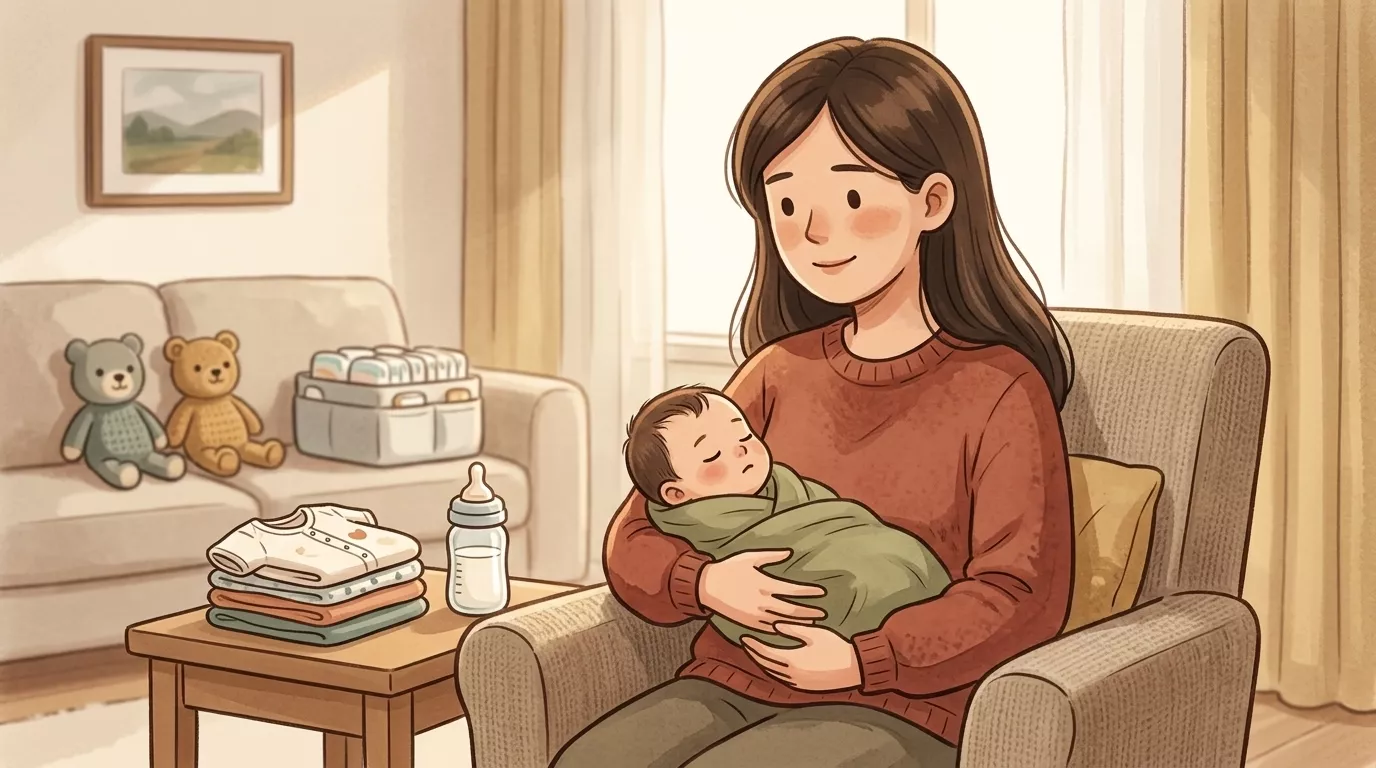
From the outside, I was still doing the things a mother was supposed to do.
I fed the baby.
Changed the baby.
Rocked the baby.
Answered messages.
Sent photos.
Kept track of diapers, naps, feeds, tiny socks, clean bottles, laundry, appointments, and all the invisible admin of keeping a newborn alive.
That was the confusing part.
Because I was functioning, I told myself I could not really be struggling. I thought postpartum depression had to look more obvious. I thought someone would notice if it was serious enough. I thought if the baby was clean, fed, and held, then I must be okay.
But functioning is not the same as being okay.
Sometimes functioning only means you have learned how to keep moving while something inside you is asking for help.
I became very good at giving updates about the baby instead of myself.
“He fed well.”
“She slept longer last night.”
“We’re managing.”
“The doctor said everything looks fine.”
No one asked what fine meant for me, and I did not volunteer the answer.
The Sadness Was Not Always Loud
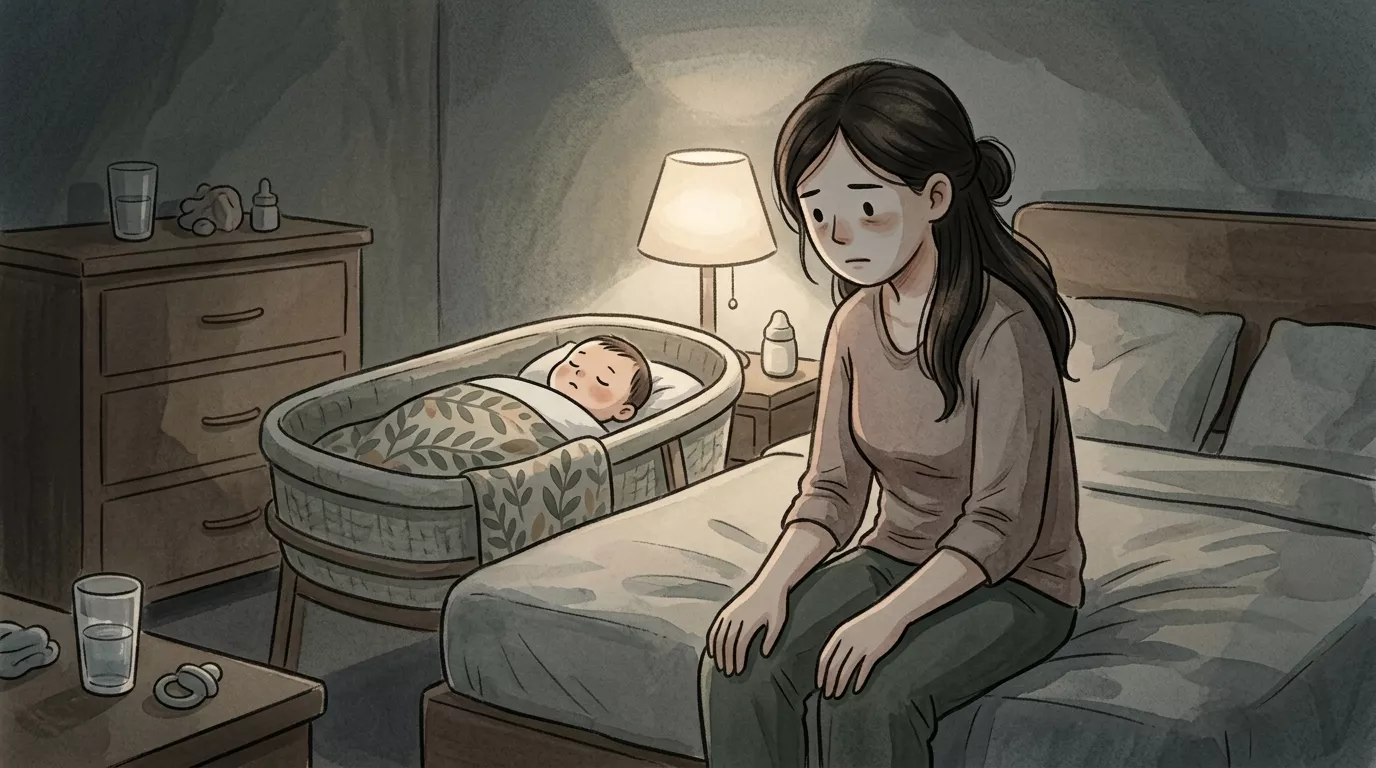
I used to imagine depression as crying all day.
Sometimes I did cry.
But more often, it was quieter than that.
It was numbness.
It was irritability.
It was guilt that sat in my chest before I had even done anything wrong.
It was looking at the baby and knowing I loved them, but feeling as if that love had to travel through fog before it reached me.
It was losing interest in things I used to enjoy.
It was feeling lonely while never being physically alone.
It was wanting rest, then being unable to rest when I finally had the chance.
The National Institute of Mental Health describes perinatal depression as a mood disorder that can happen during pregnancy or after childbirth, with symptoms that may include persistent sadness, anxiety, emptiness, irritability, guilt, loss of interest, sleep changes, difficulty bonding with the baby, and trouble functioning. It can range from mild to severe, and it can be treated.
I wish I had known that earlier.
I wish I had known that not crying all day did not mean I was fine.
Sometimes I was not crying.
Sometimes I was just not there.
I Thought a Good Mother Should Be Grateful
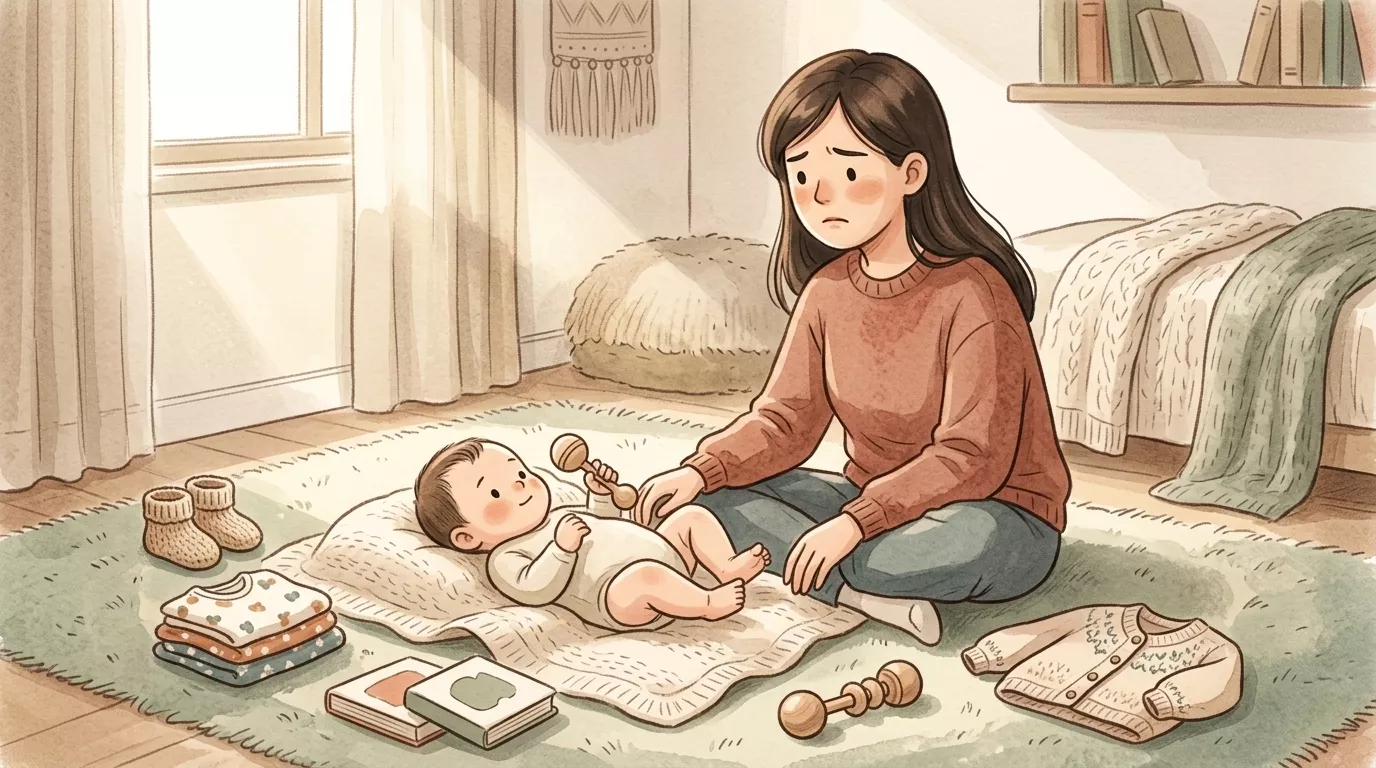
This was the thought that kept me quiet the longest:
A good mother should be grateful.
I had a baby.
A healthy baby.
A roof over my head.
People who cared.
Food in the fridge.
A phone full of baby photos.
So what right did I have to feel empty?
I used gratitude like a lid.
Every time sadness rose, I pushed it down with a list of reasons I should not feel sad. I reminded myself that other people had it harder. I told myself I had wanted this baby. I told myself this was just motherhood, just hormones, just tiredness, just adjustment.
But gratitude and depression can exist in the same body.
You can be thankful for your baby and still be unwell.
You can love your child and still feel like a stranger to yourself.
You can know your life contains good things and still need help to feel them again.
That was hard for me to accept.
Because I thought admitting I was struggling would make me sound ungrateful.
Now I think silence made the suffering heavier than it needed to be.
I Hid Behind Being Busy
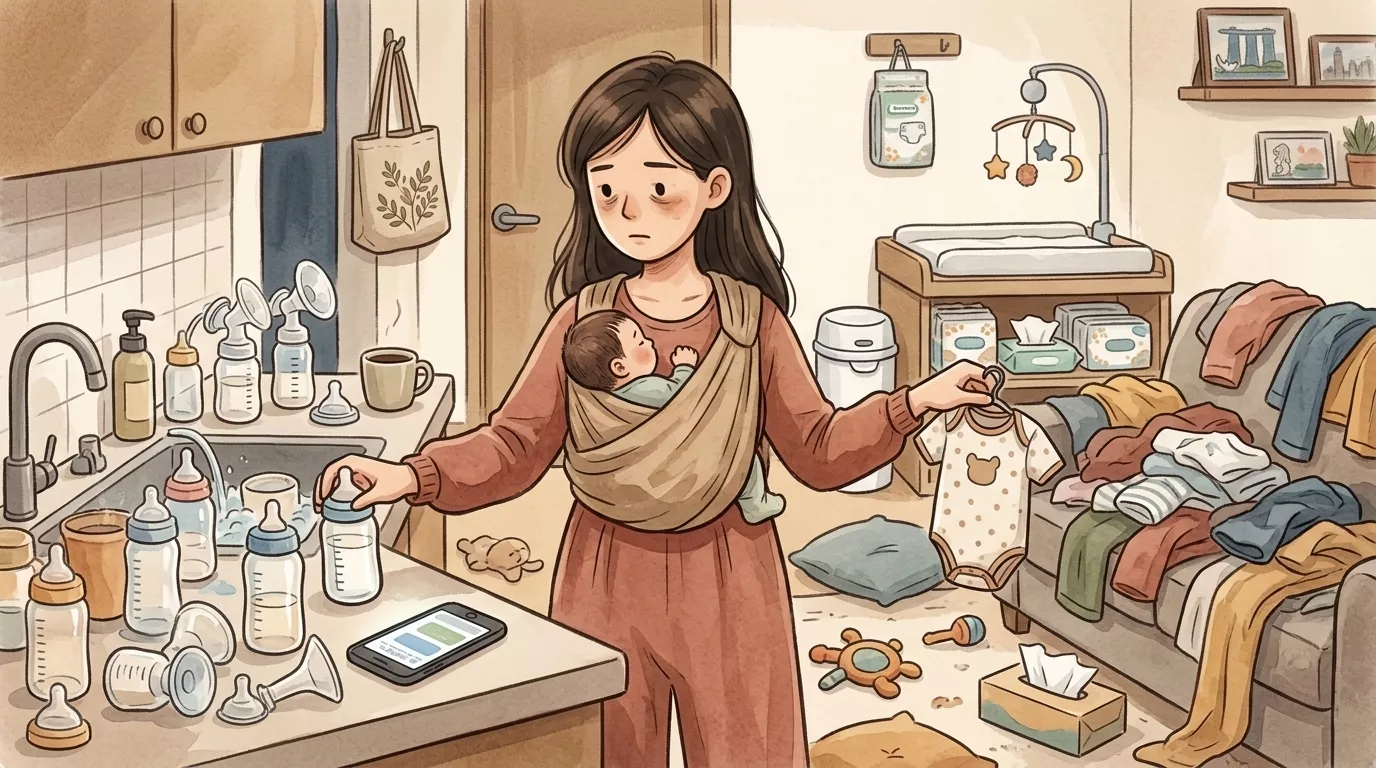
Busy was the perfect hiding place.
There was always something to do.
A bottle to wash.
A diaper to change.
A baby to settle.
A message to answer.
A load of laundry to move from washer to dryer, then from dryer to basket, then from basket to some corner of the room where it would live unfolded for longer than I wanted to admit.
If I stayed busy enough, I did not have to sit still with myself.
When people asked how things were going, I answered with logistics.
“Feeding is better.”
“The nights are hard.”
“We’re trying a new routine.”
“The baby has a check-up next week.”
None of those answers were lies.
They were just not the whole truth.
The whole truth would have sounded more like:
“I feel far away from myself.”
“I am scared this version of me is permanent.”
“I do not know why I am not happier.”
“I need someone to see me, not only the baby.”
But those sentences felt too large to say out loud.
So I kept folding laundry.
I kept being useful.
I kept disappearing behind the work of motherhood.
The Loneliness Was Worse Because I Was Never Alone
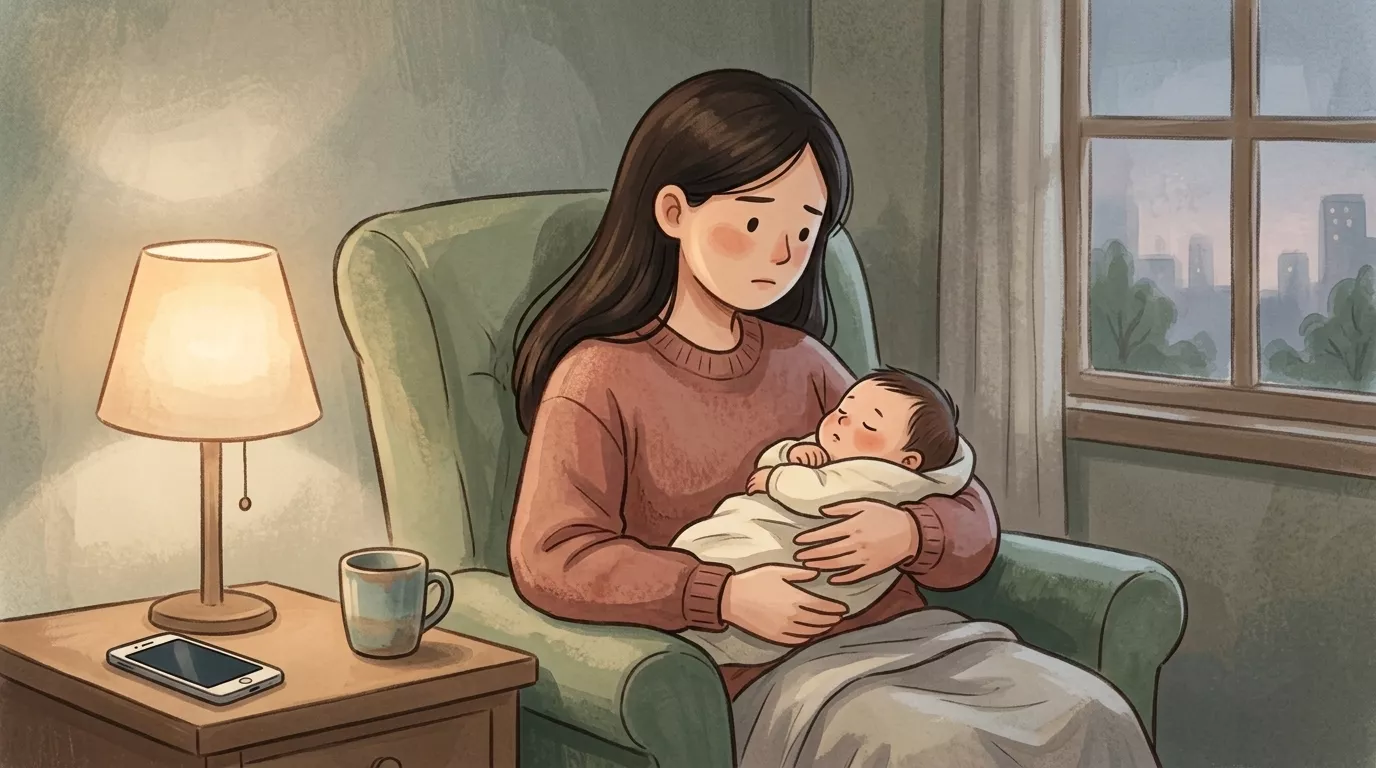
Postpartum loneliness is strange because you are almost never alone.
There is always a baby on you, beside you, needing you, waking you, crying for you, rooting against your chest, gripping your shirt, breathing against your skin.
And still, I felt lonely in a way I had never felt before.
There was no privacy, but there was also no true being seen.
I was touched constantly, but not always comforted.
I was needed constantly, but not always held.
That is a specific kind of loneliness: to be physically surrounded and emotionally hidden.
I remember sitting in a room with the baby asleep on me, afraid to move, scrolling through my phone and seeing other people’s lives continue. Lunches. Errands. Work messages. Holidays. Ordinary things.
I did not even want those exact things.
I just wanted to feel like a person again.
Not only a body that fed, rocked, carried, and stayed awake.
A person.
Someone with thoughts, needs, hunger, anger, softness, and a name that was not only “mummy.”
The First Small Crack in the Silence
There was no dramatic breaking point.
No single scene where everything collapsed in a way everyone could finally understand.
It was smaller than that.
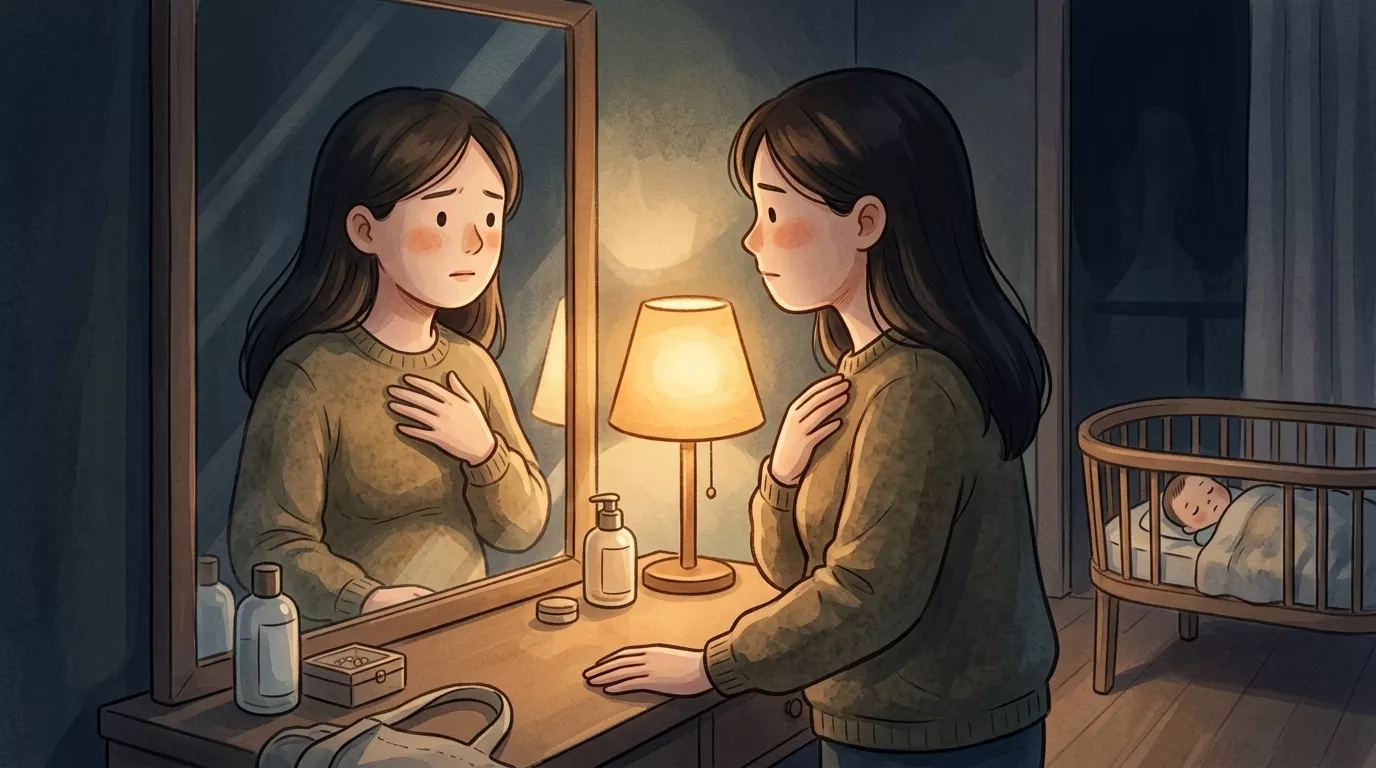
I was standing in the bathroom one evening, looking at my face in the mirror, and I realized I had been holding my breath for days.
Not literally the whole time, of course.
But emotionally.
I had been bracing against every hour.
Waiting for the next cry.
The next feed.
The next night.
The next person to ask whether I was enjoying motherhood.
And suddenly I thought, very quietly:
I cannot keep pretending this is fine.
That was the first crack in the silence.
Not a full confession.
Not a beautiful moment of bravery.
Just one honest sentence, barely spoken.
“I don’t think I’m okay.”
At first, I said it to myself.
Then, later, to someone else.
It did not fix everything.
But it let a little air into the room.
Getting Help Did Not Look Like a Big Rescue
I used to think getting help would look bigger.
More official.
More dramatic.
Like a clear line between before and after.
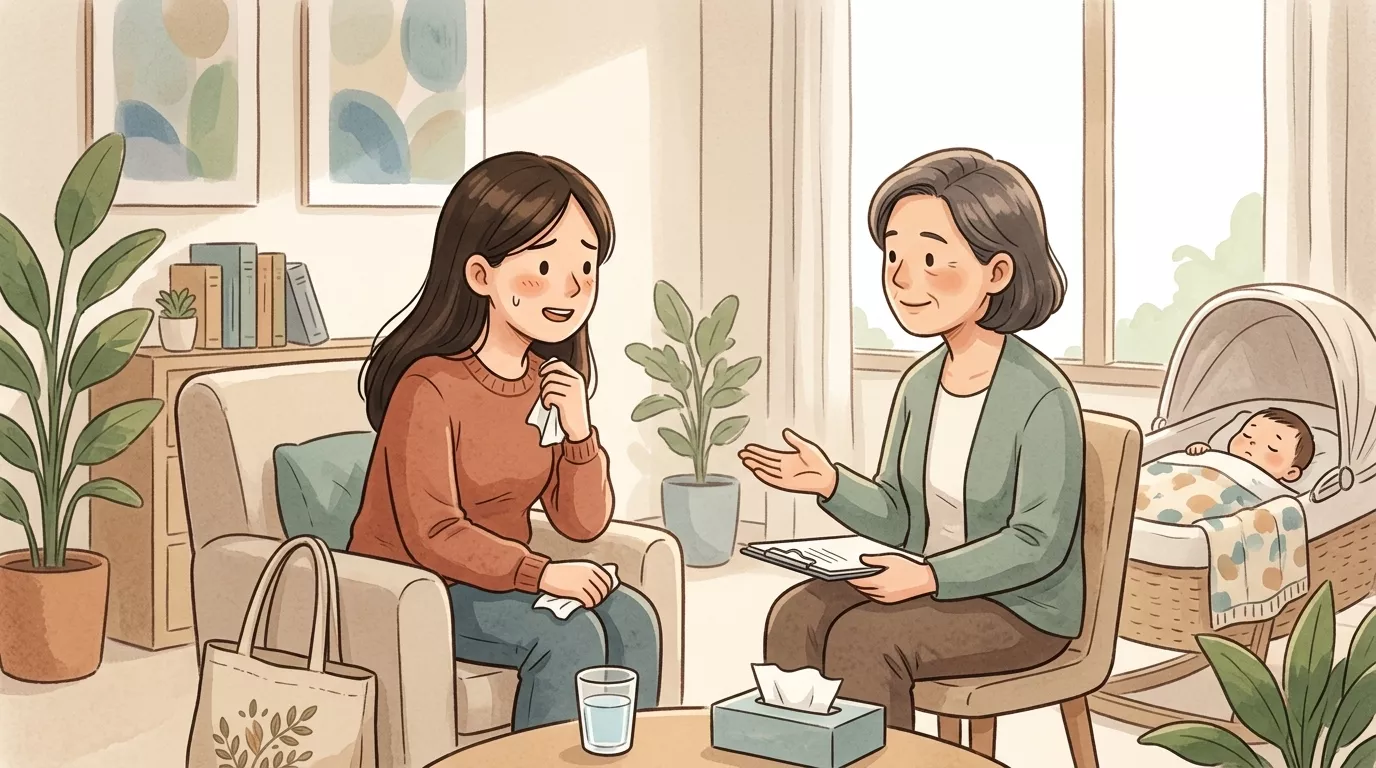
But for me, help began in ordinary ways.
Telling someone the truth.
Letting someone take the baby so I could sleep.
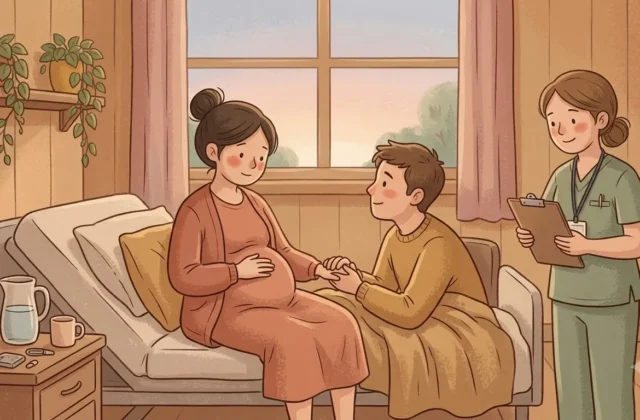
Answering honestly when a healthcare professional asked about my mood.
Admitting that I was not just tired.
Letting the word depression exist in the room without immediately trying to explain it away.
ACOG emphasizes that mood changes during pregnancy and after birth are medical conditions, that they are treatable, and that screening for perinatal depression and anxiety should happen during pregnancy and postpartum visits using validated tools. NIMH also notes that perinatal depression can be treated with therapy, medication, or a combination, depending on the person’s needs.
I did not become better overnight.
There was no sudden return to my old self.
But help made the days less impossible.
It made the feelings less secret.
It reminded me that I was not supposed to diagnose, treat, and rescue myself while also caring for a baby.
I had mistaken silence for endurance.
But being helped was not weakness.
It was a doorway.
Joy Came Back Quietly
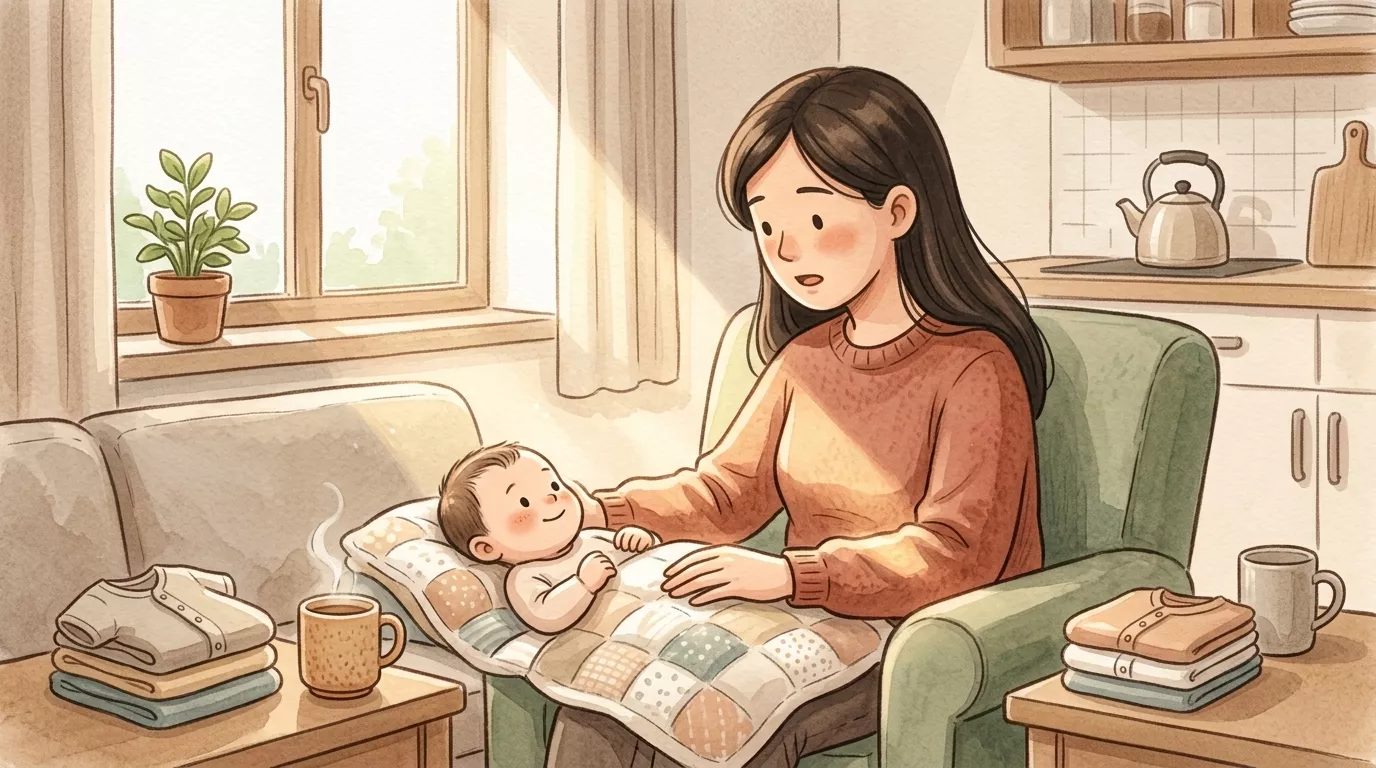
Joy did not return like sunlight flooding a room.
It came back in small pieces.
A morning when I drank water and realized I had been thirsty.
Five minutes of standing near a window and feeling the sun on my arms.
A song I used to love playing softly in the kitchen.
The baby looking at me with milk-drunk eyes, and something in me softening instead of going numb.
One laugh that surprised me because it sounded like mine.
One shower where I did not cry.
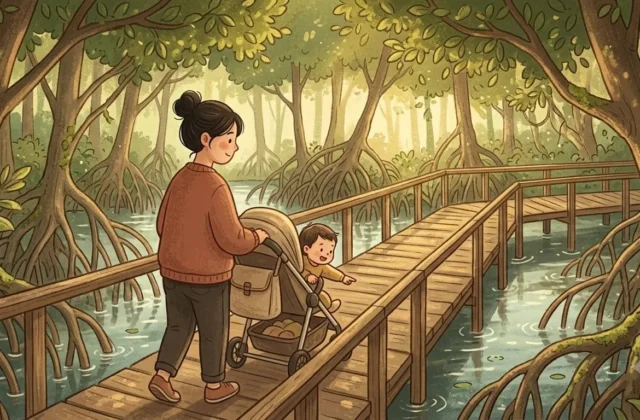
One walk where the air felt good.
One moment when I looked at my baby and felt, not pressure to be joyful, but actual tenderness rising naturally from somewhere I thought had gone quiet forever.
Joy was not loud.
It did not erase the hard months.
It did not make me say, “Everything happens for a reason.”
I still do not believe suffering needs to be wrapped in a lesson before it is allowed to matter.
But joy returned.
Carefully.
Slowly.
Like something that did not want to startle me.
I Still Wish Someone Had Asked Differently
I do not blame the people around me for not knowing.
I was hiding.
And I was good at it.
But I still think about how easy it was to answer, “Are you okay?” with “Yes.”
Yes is such a convenient word.
It lets everyone move on.
Sometimes I wish someone had asked differently.
“Are you eating?”
“Are you sleeping at all?”
“Do you feel like yourself?”
“Do you feel scared by your thoughts?”
“Do you feel connected to the baby?”
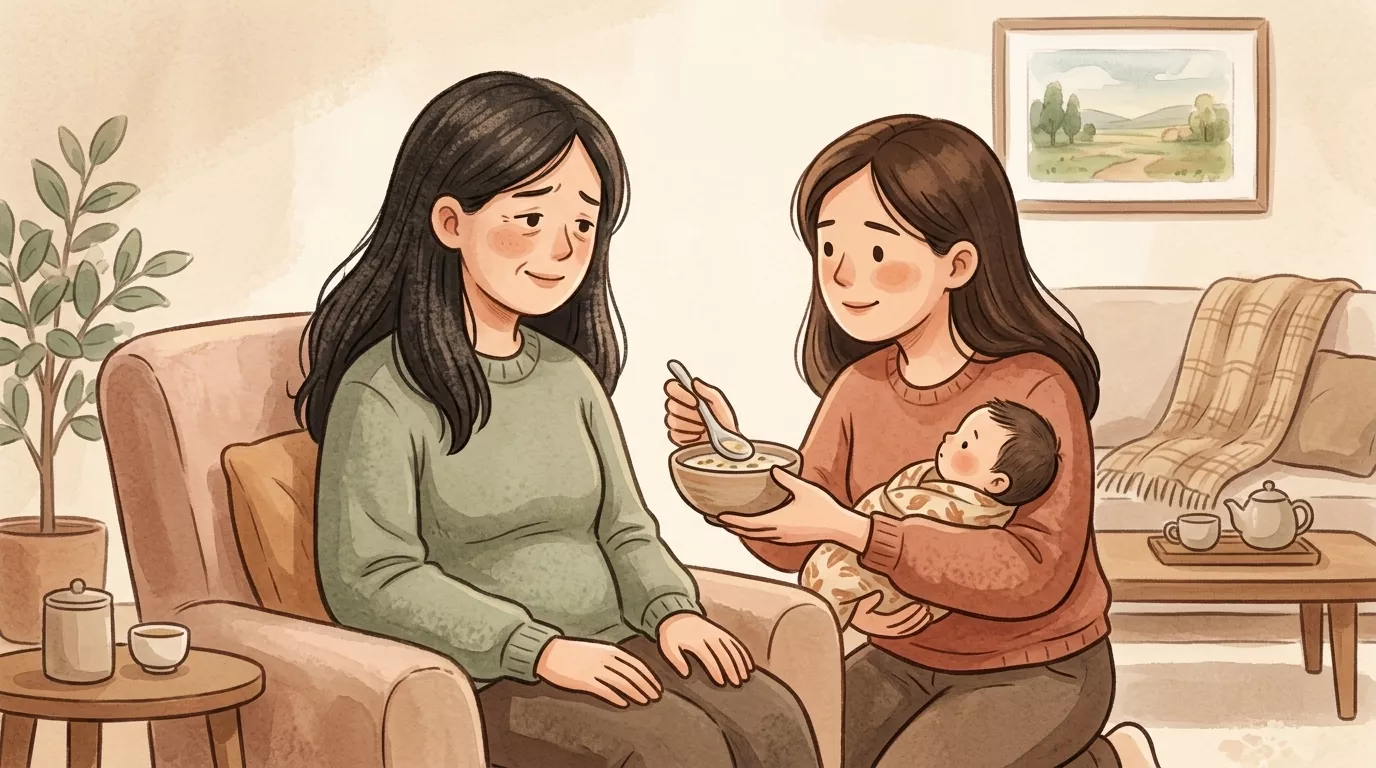
“Can I sit with you for an hour?”
“Can I take the baby while you lie down?”
“Do you want me to make the appointment with you?”
General offers are kind, but they can be hard to accept when you are already drowning.
“Let me know if you need anything” requires the struggling person to organize their own rescue.
Specific help is different.
A meal.
A nap.
A ride.
A check-in that does not disappear after one polite answer.
A person who stays when the first “I’m fine” does not sound quite true.
To the Mother Who Is Hiding It Now
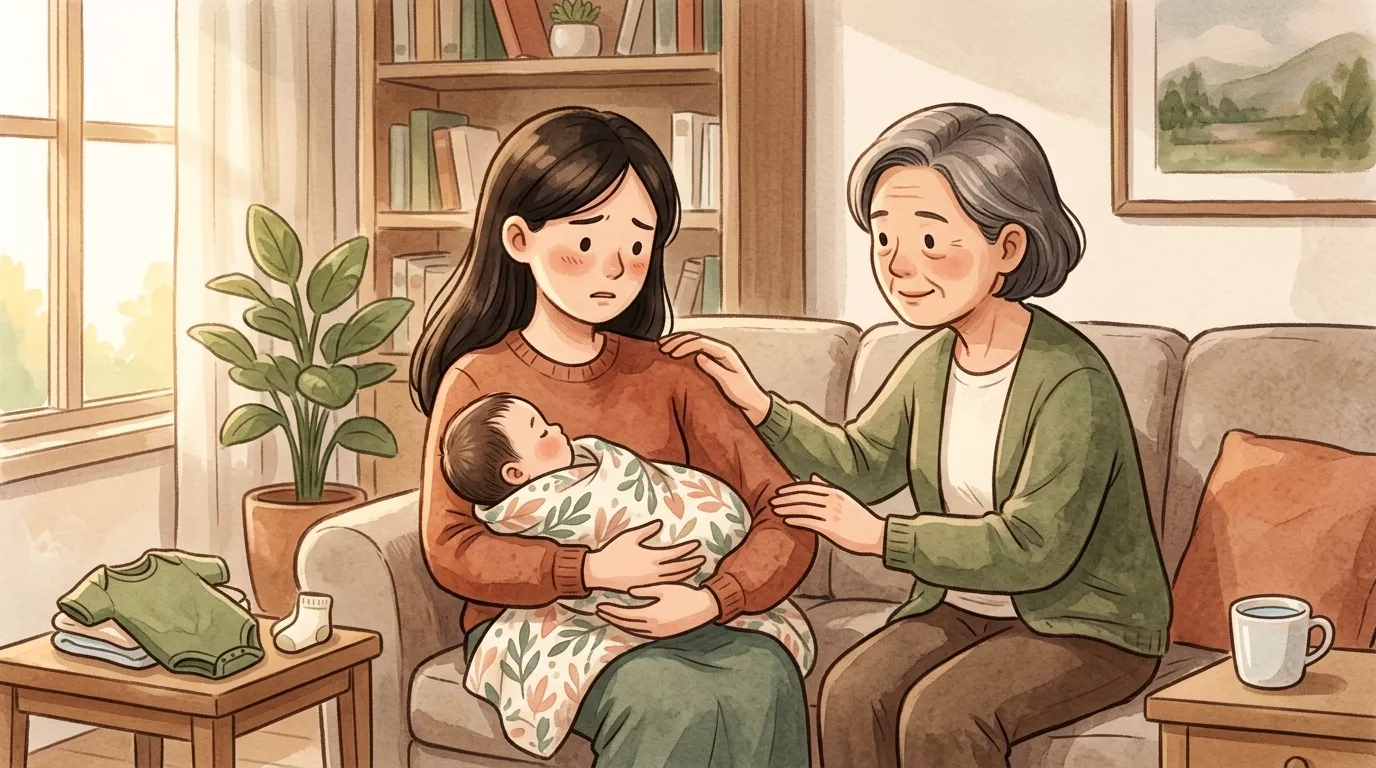
If you are hiding it now, I want to say this gently:
You are not weak.
You are not ungrateful.
You are not a bad mother.
You are not failing because motherhood does not feel the way you thought it would.
You may be caring for your baby beautifully and still need care yourself.
You may love your child deeply and still need help finding your way back to yourself.
You may look fine in the photos and still deserve someone to sit beside you in the dark.
Please tell one real person.
A partner.
A friend.
A doctor.
A nurse.
A therapist.
Someone who can help you take the next step instead of leaving you alone with the weight of pretending.
And if your thoughts ever feel unsafe, or you are afraid you might hurt yourself or your baby, please seek urgent medical help immediately. That is not a sign that you are beyond help. It is a sign that you need help now.
I used to think getting through postpartum depression without anyone knowing meant I had been strong.
Now I think the stronger thing would have been letting someone know sooner.
Letting someone bring water.
Letting someone hold the baby.
Letting someone ask the second question after I said I was fine.
Letting someone sit beside me before I had to find the light alone.
Joy can come back.
Not all at once.
Not on command.
But it can return in small, ordinary ways until one day you notice that the world has colour again.
And when it does, you do not have to pretend the darkness never happened.
You only have to know this:
You were never meant to survive it silently.