


When you’re preparing for your baby’s arrival, it’s amazing how quickly a simple conversation turns into a list of things you’ve never heard of before.
One moment, you’re asking another parent which stroller they recommend. The next, someone mentions the Child Development Account. Another friend reminds you to apply for the Baby Bonus. Before long, someone casually asks, “Have you looked into the Parenthood Tax Rebate yet?”
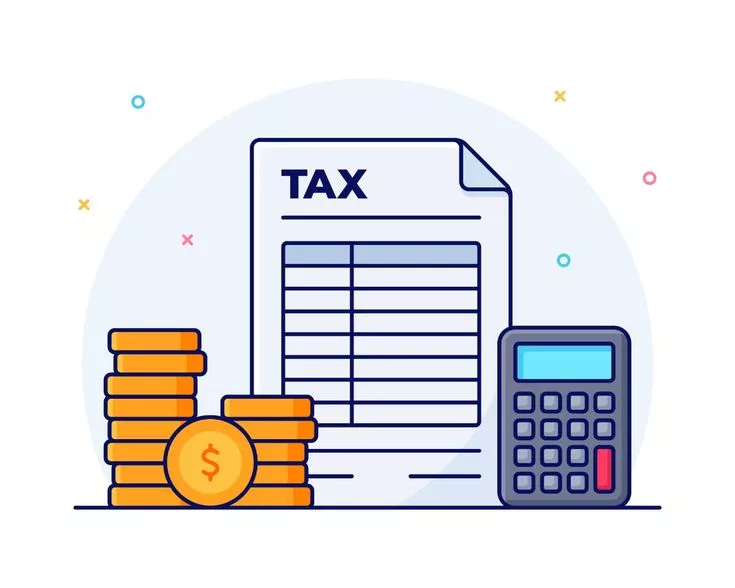
The Parenthood Tax Rebate, or PTR, is one of those government benefits that sounds much more complicated than it really is. Once someone explains it in everyday language, it becomes much easier to understand.
Think of It as a Discount on Your Income Tax
Many parents assume the Parenthood Tax Rebate works like the Baby Bonus Cash Gift. That’s a common misunderstanding.
Think of the Baby Bonus as money that helps with the costs of raising your child. The Parenthood Tax Rebate works differently. You won’t receive this money in your bank account.
Instead, imagine receiving a voucher before paying for your groceries. The voucher doesn’t give you cash. It simply reduces the amount you pay at the checkout.
The Parenthood Tax Rebate works in exactly the same way.
Let’s say your income tax bill is S$6,000. If you’re entitled to a S$5,000 Parenthood Tax Rebate, IRAS deducts the rebate from your tax bill. Instead of paying S$6,000, you’ll only need to pay S$1,000.
It may seem like a small difference. Once you understand it, however, the entire scheme becomes much easier to appreciate.
How Much Can You Claim?
The amount depends on your child’s birth order.
| Child’s Birth Order | Parenthood Tax Rebate |
|---|---|
| First child | S$5,000 |
| Second child | S$10,000 |
| Third child and every subsequent child | S$20,000 |
Each child qualifies for a one-time rebate. Even better, you don’t have to use the full amount in a single year.
What Happens If You Don’t Use Everything?
Imagine your first child qualifies you for a S$5,000 rebate but our income tax bill for the year is only S$3,200.
The remaining S$1,800 will not be wasted. IRAS automatically carries the balance forward so you can continue using it to offset your income tax in future years until you’ve used it completely.
That’s reassuring for many growing families. The rebate continues working quietly in the background, even when you don’t need all of it straight away.
Can Mum and Dad Share the Rebate?
Yes, they can.
The Parenthood Tax Rebate doesn’t have to belong to just one parent. You and your spouse can decide how to divide it based on what works best for your family’s finances.
Some couples split it equally. Others allocate a larger share to the parent who pays more income tax. There’s no universal right answer. Simply choose the approach that suits your household.
Before filing your tax return, spend a few minutes discussing the allocation together. A little planning now can make better financial sense later.
How Do You Claim the Parenthood Tax Rebate?
Fortunately, this is one of the simplest steps.
When it’s time to file your income tax, log in to the IRAS myTax Portal. Next, head to the Deductions, Tax Reliefs and Rebates section.
Enter your child’s details and indicate how you and your spouse wish to share the rebate. IRAS will then assess your eligibility and apply the rebate if you qualify.
Most parents are pleasantly surprised by how quick and straightforward the process is.
One Less Thing to Worry About
Preparing for a baby often feels like juggling a hundred different decisions. You will compare cots, childcare centres and baby essentials. Government schemes can feel just as overwhelming at first because many of them sound unfamiliar.
The Parenthood Tax Rebate is one benefit that is easy to overlook because it quietly reduces your income tax behind the scenes.
Once you understand how it works, everything starts to feel much simpler.
Parenthood isn’t about remembering every rule or every financial scheme. It’s about knowing where support is available and making the most of it when your family needs it.
Every dollar you save today is another dollar you can spend on tomorrow’s memories. That could be your child’s first swimming lesson, a family holiday or simply the peace of mind that comes from planning ahead.