
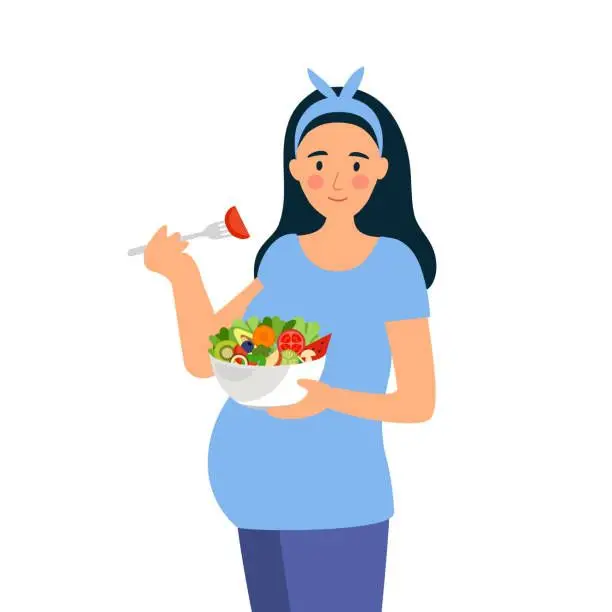
Pregnancy nutrition need not feel overwhelming. What most women need is not stricter rules, but clearer guidance and reassurance.
Your nutritional needs change as your body and baby grow. Thinking about food one trimester at a time can make pregnancy eating feel more manageable, and far less stressful.
First Trimester: Eating Through Fatigue, Nausea, and Uncertainty
Focus key nutrients: folate, iron, protein, hydration
Common challenges: nausea, food aversions, exhaustion
The first trimester is less about eating “perfectly” and more about eating what you can tolerate.
Many women worry they are not eating enough early on. From a medical perspective, that concern is very common and usually unnecessary. Your baby’s nutritional needs are still relatively small at this stage.
What matters most:
- Folate (folic acid): essential for early brain and spinal development
- Sources: leafy greens, legumes, fortified grains
- Supplementation is strongly recommended
- Sources: leafy greens, legumes, fortified grains
- Iron: supports increasing blood volume
- Sources: lean meats, spinach, lentils
- Sources: lean meats, spinach, lentils
- Protein: even small amounts help
- Sources: eggs, tofu, yoghurt, beans
- Sources: eggs, tofu, yoghurt, beans
If nausea is present:
- Eat small, frequent meals
- Choose bland, easy-to-digest foods
- Focus on fluids if solids are difficult
Reassurance matters here: missing vegetables for a few weeks will not harm your baby. Managing nausea and maintaining energy is the priority.
Second Trimester: Building Strength and Steady Growth
Focus key nutrients: protein, calcium, vitamin D, omega-3s
Common changes: improved appetite, more energy, visible body changes
The second trimester is often when appetite returns and routines feel more stable. This is a good time to gently refocus on balanced nutrition.
Key areas to support:
- Protein: for baby’s growth and maternal muscle health
- Aim to include a protein source at every meal
- Aim to include a protein source at every meal
- Calcium + vitamin D: for bone and teeth development
- Sources: dairy, fortified plant milks, small fish with bones
- Sources: dairy, fortified plant milks, small fish with bones
- Omega-3 fatty acids (DHA): for brain and eye development
- Sources: salmon, sardines, low-mercury fish
- Sources: salmon, sardines, low-mercury fish
This trimester is also when:
- Constipation may appear → increase fibre and fluids
- Blood sugar regulation becomes more important
Eating regularly, choosing whole foods, and maintaining hydration can reduce discomfort and support steady weight gain.
Third Trimester: Supporting Energy, Iron Levels, and Preparation for Birth
Focus key nutrients: iron, protein, fibre, hydration
Common challenges: heartburn, fullness, fatigue
As your baby grows rapidly, your body works harder—often with less physical space for food.
Helpful strategies:
- Eat smaller, more frequent meals
- Prioritise iron-rich foods, as iron needs peak
- Continue protein intake to support tissue growth and recovery
Iron becomes particularly important to reduce the risk of:
- Anaemia
- Fatigue before and after delivery
Fibre and fluids help manage:
- Constipation
- Swelling
- Blood sugar fluctuations
At this stage, nutrition is also about preparing your body for birth and recovery, not just fetal growth.
Foods to Avoid or Be Careful With During Pregnancy
Across all trimesters, general food safety matters:
- Avoid raw or undercooked meats, eggs, and seafood
- Choose pasteurised dairy products
- Avoid alcohol entirely during pregnancy
- Limit high-mercury fish
These recommendations are about reducing risk and not creating fear. If you are unsure about a food, ask your healthcare provider rather than silently worrying.
Supplements During Pregnancy: What to Know
Prenatal vitamins help fill nutritional gaps, especially for:
- Folic acid
- Iron
- Iodine
- Vitamin D
However:
- Supplements should support, not replace, real food
- Avoid adding extra vitamins without medical advice
- More is not always better
Your needs can vary by trimester, blood results, and diet.
A Calm Reminder for Expecting Mothers
Pregnancy nutrition is not measured meal by meal.
From a clinical perspective, healthy pregnancies are built through:
- Consistent nourishment
- Reasonable choices
- Ongoing medical care
Stress around food does not protect your baby. Gentle attention does.
If you are eating regularly, taking recommended supplements, attending antenatal appointments, and adjusting as your body changes, you are already doing enough.
For Parents Reading This on My Happy Aura
If pregnancy nutrition feels confusing or overwhelming, let this guide be a reference and not a rulebook.