From the outside, people sometimes assume life should feel simpler with one child. Friends casually say things like, “At least you only have one to manage.” They often do not realize how emotionally intense parenthood becomes when your world revolves around one small person you love deeply.
Every hope, fear, parenting decision, and emotional responsibility suddenly feels magnified. Many of us constantly question ourselves while balancing work, household responsibilities, school schedules, financial pressure, caregiving, and the invisible mental load that never fully disappears.
It had already been a mentally draining week filled with deadlines and meetings. It was the kind of exhaustion that leaves you staring blankly at traffic lights on the drive home. By the time I walked through the front door, dinner still needed preparation. Laundry sat unfolded on the sofa, and my phone continued buzzing with unfinished work responsibilities.
Meanwhile, my child came running toward me full of excitement. He talked rapidly about school and wanted me to watch a dance he had practiced. He asked for help building something and tried desperately to reconnect after being apart all day.
Instead of responding warmly, I felt irritated.
I had waited all day to see my child because I missed him deeply. I wondered whether he ate well at school and whether he struggled with any new topics teacher taught. Yet somehow, I still allowed my emotions to take over.
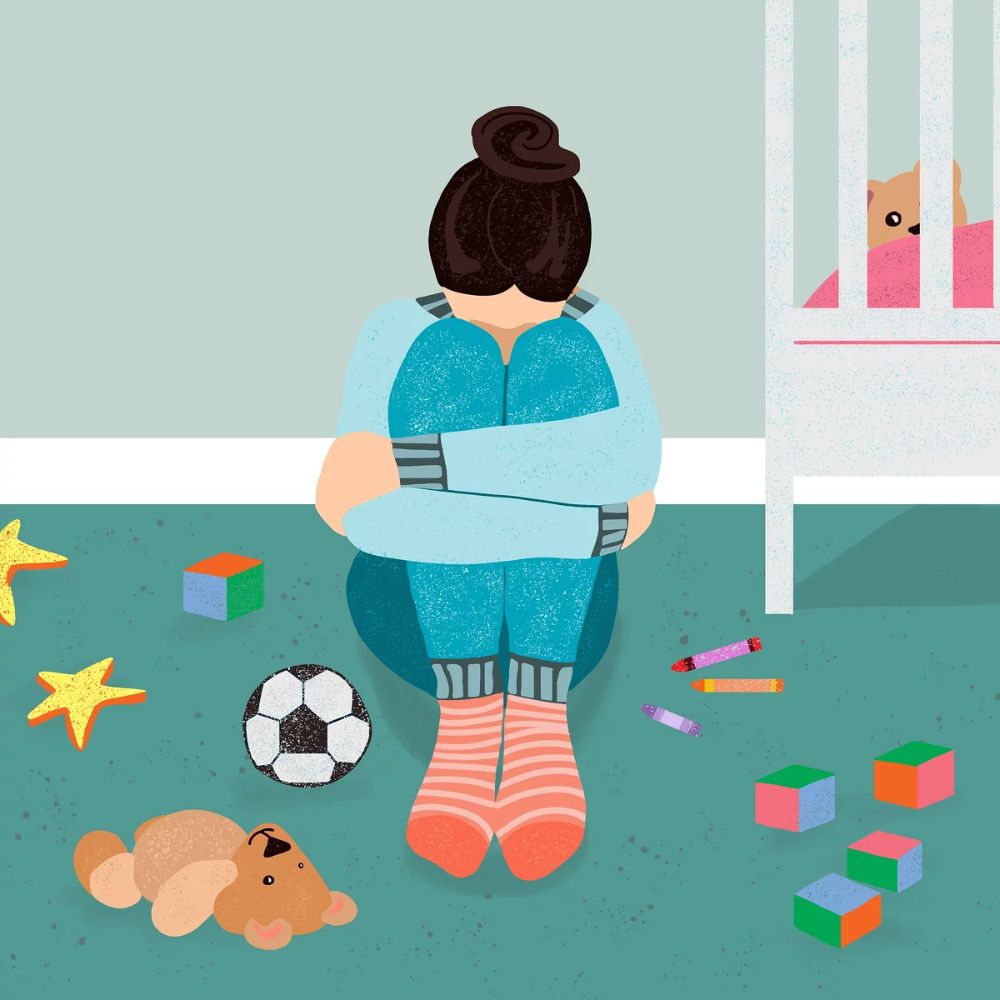
Motherhood often demands emotional presence precisely when parents feel emotionally empty themselves. Many parents feel ashamed admitting this aloud. There are moments when you feel overstimulated, mentally exhausted, and touched out. At the same time, you are still trying to carry everyone else’s emotional needs while barely managing your own.
For a very long time, I kept replaying those moments of irritation in my head. The guilt felt overwhelming. My child had spent the entire day waiting for those few evening hours together. Meanwhile, I had spent the day fantasizing about having quiet time alone. Parenthood sometimes creates a painful emotional conflict where love and exhaustion exist together at the same time.
You have to understand that emotionally strong children are not raised by perfect parents. They are raised by parents who keep trying to reconnect after difficult moments. They are raised by parents who apologize sincerely when they fall short and continue showing up emotionally even when life feels heavy.
The Pressure To Constantly Entertain Children
Like many modern parents, I initially felt pressure to constantly keep my child entertained. I worried deeply about loneliness because there were no siblings around to fill the silence. Weekends quickly became packed with enrichment classes, outings, and endless stimulation. Somewhere deep inside, I feared boredom might damage childhood.
Trying to eliminate boredom completely became exhausting. Over time, my child became increasingly dependent on external entertainment. Small moments of waiting became difficult. Quiet afternoons quickly turned into requests for screens, activities, or constant engagement.
Eventually, I realized that in trying to create a “good childhood,” I had accidentally removed important opportunities for emotional growth.
So slowly, we changed the rhythm inside our home. We did not make dramatic lifestyle changes or follow strict parenting systems. Instead, we focused on small intentional choices. Some evenings became slower, and we spent more time cooking together. Dinner preparation took twice as long and became three times messier, but those moments mattered.
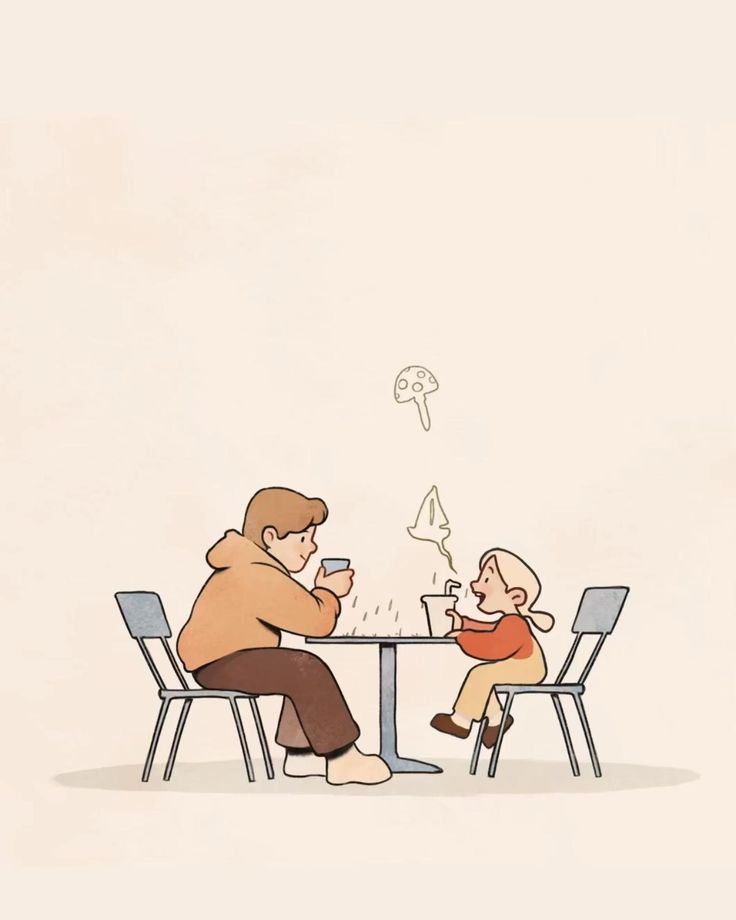
I invited my child to help wash vegetables, stir ingredients, and set the table. As we worked together, we talked about random things that probably seemed insignificant to outsiders.
Those ordinary conversations slowly became the moments my child remembered most. Stories about friendship struggles, school worries, embarrassment, jealousy, disappointment, and loneliness started appearing naturally between simple routines.
That was when I realized children rarely open their hearts during serious “life lesson” conversations. Most emotional connection happens during ordinary moments when they feel emotionally safe enough to speak freely.
Why Emotional Safety Matters More Than Perfection
There were still difficult days, of course. Some days, exhaustion won. Other days, I answered too sharply, rushed through bedtime routines, or mentally drifted elsewhere while my child spoke.
Working parents carry enormous invisible guilt because no matter how much we do, it often feels like we are failing somewhere. At work, we worry about not doing enough at home. At home, unfinished work responsibilities continue sitting heavily in the background of our minds.
Many parents quietly live inside this constant tension without ever feeling fully present anywhere.
One important thing we need to understand is that children do not need endlessly productive, cheerful, or patient parents every second of the day. They need emotional safety far more than perfection.
Previously, I listened while multitasking constantly because life always felt busy. I folded laundry while nodding through conversations. I also scrolled through work messages while pretending to pay attention. However, children notice very quickly when adults are only partially present.
So I started creating small pockets of undistracted attention each evening, even if they lasted only fifteen minutes.
Over time, my child began speaking differently too. The conversations became deeper, more honest, and more emotionally open. There were confessions about feeling left out during recess and fears about disappointing teachers. My child also shared worries about friendships and insecurities I never would have noticed if I had continued half-listening through our evenings together.
That was when I truly understood something important about emotionally strong children. Strength is not built by teaching children to suppress emotions or “toughen up.” Real emotional resilience develops when children learn that difficult feelings can be expressed safely without fear of shame, rejection, or dismissal.
Children become emotionally secure when they trust that home remains safe after mistakes, meltdowns, failures, or hard days.
Letting Children See Healthy Imperfection
I also stopped trying so hard to hide every difficult emotion from my child. Many parents believe good parenting means appearing endlessly calm and emotionally controlled. However, children are incredibly perceptive and sense tension immediately, even when adults say nothing.
Instead of pretending I was never overwhelmed, I started modeling healthier emotional honesty. I began saying things like, “I had a difficult day today,” or “I feel frustrated right now, so I need a moment to calm down.” Whenever I handled situations poorly, I apologized sincerely afterward.
Children need to see that difficult emotions can be handled safely and repaired gently. They also need to understand that mistakes do not make someone unlovable and that difficult days do not define a person permanently.
Recovery matters more than perfection.
A Gentle Reminder For Tired Parents
I think many parents secretly fear they are not doing enough. Social media has made parenting feel like a constant performance. Everyone else appears patient, organized, emotionally present, and endlessly fulfilled. Meanwhile, many real parents feel exhausted just trying to survive the week.
Some of us quietly wonder whether our child will resent us one day for working too much, losing patience sometimes, or not creating the “perfect childhood” we imagined before becoming parents.
But if you are carrying those fears today, I hope you can accept this gently: children do not measure love the way adults measure performance.
Perhaps that is what emotionally strong children truly need most. They do not need perfect homes, endlessly entertaining parents, or constant achievement. They need parents willing to love them steadily through ordinary days, difficult seasons, emotional outbursts, mistakes, disappointments, and growth.
So if you are reading this after another long day of trying your best while wondering whether it is enough, please hear this gently: the small moments matter far more than you think they do.
The bedtime conversations, patient listening, apologies after losing your temper, and board games played while exhausted may not look extraordinary at the time. Yet together, they quietly become the emotional foundation your child will carry for the rest of their life.
That alone already makes you far more valuable to your child than perfection ever could.