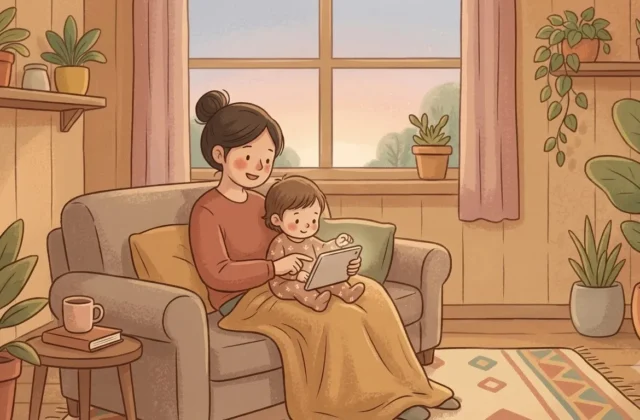




I never planned to become the “no screen time” parent. Like many families juggling work, caregiving, household responsibilities, and the endless rush of daily life, we slowly allowed screens into our home because they made life easier.
A cartoon during dinner preparation bought me enough time to cook peacefully. A short video helped the caregiver manage difficult afternoons. A tablet kept everyone calm during long car rides or crowded waiting areas. Little by little, screens became part of our routine because they offered convenience during exhausting days.
At first, everything felt harmless.
But over time, I started noticing small changes that unsettled me. My child’s eyes looked tired more often. Conversations became shorter. Playtime shifted away from drawing, building blocks, or inventing stories. Instead, the first request after school became:
“Can I use the phone?”
What worried me most was how quickly boredom disappeared. The moment silence appeared, a screen filled it immediately. There was no waiting, no creativity, and no chance for imagination to grow naturally.
That realization stayed with me for weeks. I started asking myself difficult questions about the kind of childhood I wanted my child to remember.
The Moment We Decided to Reset
Eventually, I realized convenience had quietly started leading our parenting decisions. That was when we decided our family needed a reset.
Not a punishment nor harsh control. Just healthier boundaries before screens shaped too much of daily life.
When our child turned three, we introduced one simple family rule: weekdays would stay screen-free, while weekends would allow limited screen time after 9 a.m.
We did not make this decision because we believed technology was harmful. We understand that children will eventually need digital skills to navigate the modern world confidently.
But childhood itself is short.
We wanted to protect the foundations that matter most during the early years: patience, discipline, emotional regulation, imagination, and social confidence.
I wanted my child to know how to enjoy life without constant digital stimulation. More importantly, I wanted boredom to exist again.
Why Boredom Matters More Than We Realize
At first, boredom felt uncomfortable for everyone.
Modern life trains us to fill every quiet moment immediately. But after removing weekday screens, I slowly realized boredom was not something dangerous that needed fixing.
In fact, boredom became one of the greatest teachers in our home.
Without constant entertainment, creativity returned naturally. My child started inventing games, creating stories, drawing more often, and asking thoughtful questions again. Instead of expecting instant stimulation, my child learned how to entertain themselves independently.
That shift changed how I viewed boredom completely.
I realized boredom helps children build resilience. It teaches them patience, problem-solving, and delayed gratification. These quiet skills shape how children eventually handle friendships, school pressure, work challenges, and adult responsibilities.
Discipline rarely appears overnight. Children build it slowly through repeated daily habits and small moments of discomfort.
The Hardest Part Was Aligning the Adults
Surprisingly, convincing our child was not the biggest challenge. Aligning the adults around us proved much harder.
Parents, caregivers, and grandparents all loved our child deeply. But we were also tired adults trying to survive busy schedules and emotional exhaustion. Screens often felt like lifesavers during stressful mornings or difficult evenings.
That was why I quickly realized consistency mattered more than perfection.
We sat down together and explained the purpose behind the new routine calmly and respectfully. This decision was never about becoming overly strict or rejecting modern life. We simply wanted to protect eyesight, encourage healthier habits, and help our child develop independence and self-control.
Once everyone understood the deeper purpose behind the boundary, supporting one another became easier.
The First Week Felt Difficult
The adjustment period challenged all of us.
The first week brought complaints, frustration, and repeated negotiations.
“Why can’t I watch now?”
“What should I do instead?”
After long workdays, I often felt tempted to give in. Handing over a device sometimes felt like the easiest path to peace and quiet.
But we stayed consistent. Then something surprising happened.
The resistance softened after several days. Instead of constantly asking for the phone, my child started asking different questions:
“Can we draw together?”
“Can I help you cook?”
“Can I play outside?”
The atmosphere inside our home slowly changed. The house became louder, but in the best possible way. Laughter returned naturally. Board games filled the dining table. Pillow forts appeared in the living room. Conversations stretched longer because nobody rushed back toward a screen.
I also noticed physical changes. Complaints about tired eyes disappeared. I saw fewer squints, fewer reminders to blink properly, and fewer evenings where my child looked mentally drained.
That alone reassured me we had made the right choice.
We Slowly Took Back Control of Family Life
As the weeks passed, I realized this decision changed more than our child’s habits. It changed our family dynamic too.
Our evenings stopped revolving around devices and slowly started revolving around one another again. Dinner conversations lasted longer. We listened more carefully. We laughed more often.
Instead of sitting together physically while mentally living in separate digital worlds, we became more emotionally present with each other again.
And honestly, that change affected me deeply too.
I realized how easily adults also lose control of their attention, patience, and presence when screens dominate daily life. Creating screen-free weekdays forced all of us to reconnect with slower, simpler moments together.
This Journey Required Discipline From Us Too
This routine did not only require discipline from our child. It demanded discipline from us as parents too.
There were many evenings when I came home exhausted from work and wanted silence more than anything else. Turning on the television or handing over a device would have been easier. Nobody would have judged us because modern parenting is genuinely exhausting.
But instead, we chose something harder.
We listened to long stories about school even when we felt mentally drained. Continued with another round of cards even when we wanted to rest. We stayed emotionally present even after difficult workdays not because it felt easy, but because it mattered deeply to us.
This journey was never about becoming perfect parents. We simply refused to become passive ones.
The Hope We Carry for the Future
Some people believe strict screen limits are unnecessary. Others believe children need early exposure to technology to succeed. Every family will make different choices, and there is no perfect parenting formula.
But in our home, we decided that discipline, connection, emotional presence, and self-control deserved protection because children cannot download those qualities instantly. They build them slowly through routines, relationships, and repeated daily experiences.
Deep in our hearts, we carry one quiet hope.
One day, when our child becomes older, perhaps as a teenager or adult, they will look back on these ordinary evenings and understand what they truly meant.
They will remember the card games, the conversations around the dinner table, the laughter, and the moments where we stayed present even when we felt tired.
And maybe they will realize that when we said “no” to unlimited screen time, we were actually saying “yes” to them.
Yes to healthier habits, a child with stronger character. discipline and independence and protecting their childhood while we still could.
We hope they will understand that we chose involvement over convenience. Even when work drained us physically and mentally, we still chose to show up because love is not measured by comfort.
Love reveals itself through effort. Through difficult boundaries. Through presence during exhausting days.
So in our family, weekdays remain screen-free. Weekends allow limited and intentional screen time. Every day, we remind ourselves why we chose this path.
Not to control our child.
Not to reject technology.
We chose this path because we want to raise a human being who can manage boredom confidently, build discipline through small daily habits, and grow up knowing their parents truly gave their all to protect a beautiful childhood.