


There was a time when report card day felt heavier than it should have, even though I was already carrying so many responsibilities in my life. I was managing work deadlines, coordinating family schedules, answering emails late into the night, and trying to be present for my children in the small pockets of time we shared between homework, dinner, and bedtime routines.
Like many parents in Singapore, I wanted to do everything right. I wanted to raise children who are capable, responsible, and prepared for the future. I wanted them to have opportunities that I might not have had, and I believed that strong academic results were the safest way to get there.
So every few months, when the report card arrived, I found myself holding my breath in a way that surprised me. It did not matter whether it was a weighted assessment in primary school or a major exam later on. The moment always carried a quiet tension, because deep down, I felt as if their results were somehow a reflection of how well I was doing as a parent and how much I was present enough to support them wholeheartedly.
Over time, that pressure started to follow me everywhere. I would think about their grades while commuting to work, while standing in the supermarket, and even while trying to fall asleep at night. I told myself that this worry came from love, and in many ways it did, but I slowly realised that fear was also driving many of my reactions.
I wish I could say I handled everything calmly from the beginning, but the truth is more complicated. There were moments when I raised my voice over results that did not meet my expectations, and there were times when I compared my children to others without meaning to hurt them. I believed that pushing harder would motivate them, because that was how many of us were raised, and because the world around us often sends the message that success is measured in numbers.
What I did not see at the time was how my reactions were shaping their confidence. My children began to worry about disappointing me, and they became cautious about trying new things in case they failed. Instead of sharing their struggles openly, they started keeping their worries to themselves, and that was the moment when I realised something had to change.
The turning point came on an ordinary evening after a long workday when my child quietly handed me a test paper and watched my face very carefully, as if my reaction would determine the rest of the night. I could see the effort written all over that paper, even though the marks were not perfect, and I suddenly understood that I had been focusing on the wrong thing for far too long.
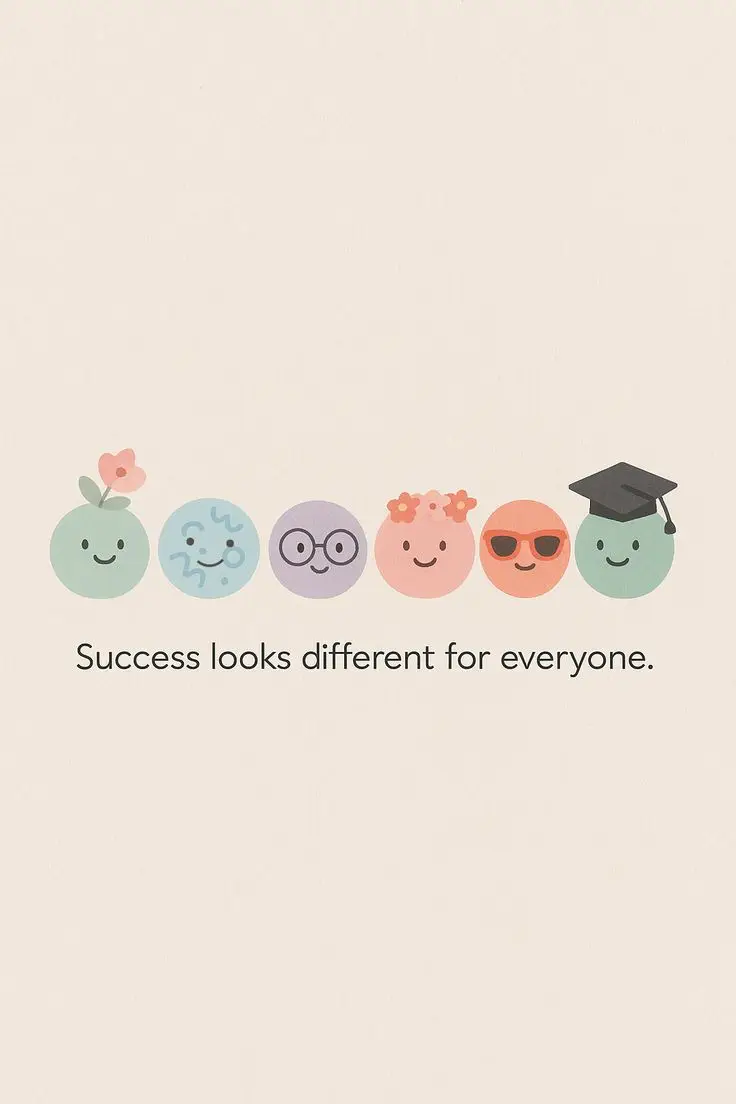
That moment stayed with me, because it reminded me that grades are only a small snapshot of a much bigger story. They cannot capture the late nights spent revising, the frustration of not understanding a concept, or the courage it takes to keep trying after making mistakes. They also cannot measure kindness, creativity, determination, or the ability to care for others, which are qualities that matter just as much in the long run.
In our home, I began to notice strengths that never appeared on any report card. One child showed an incredible ability to comfort friends who were struggling, while another demonstrated persistence in activities that required patience and discipline. These qualities might not be graded in school, but they are the ones that will help them navigate life, build relationships, and face challenges with resilience.
As parents in Singapore, many of us carry a deep fear that one wrong step will close doors for our children. We worry about school placements, future opportunities, and whether they will be able to keep up in a system that often feels fast-paced and demanding. These concerns are understandable, especially when we are trying to balance work responsibilities, financial commitments, and the desire to give our children the best possible start in life.
At the same time, the world is changing in ways that make flexibility and emotional strength just as important as academic performance. Careers are evolving, industries are shifting, and success now depends on a combination of skills that cannot be measured by exam results alone. Children who learn how to adapt, communicate, and persevere will have an advantage that goes far beyond any single grade.
Through my own journey as a working parent, I have learned that what our children need most from us is not constant pressure but steady support. They need to know that home is a safe place where they can talk openly about their challenges without fear of judgment. They need to feel that their effort is recognised, even when the outcome is not perfect, and they need reassurance that their worth is not tied to a number on a piece of paper.
Changing the way we talk about school at home has made a meaningful difference for our family. Instead of focusing only on results, we have started paying more attention to the process of learning, asking questions about what they discovered, what they found difficult, and how they plan to improve next time. These conversations have become opportunities to build confidence rather than moments of tension.
I have also learned to share my own experiences more honestly, including the mistakes I made and the lessons I learned along the way. When children see that adults are still growing and learning, they begin to understand that setbacks are a natural part of progress rather than something to be ashamed of.
Balancing work, family, and parenting responsibilities is not always easy, and there are still days when worry creeps in, especially during exam periods or important transitions. On those days, I remind myself that raising a child is a long journey, not a single test, and that success is built gradually through encouragement, patience, and trust.
If you have ever felt anxious about your child’s grades, or if you have reacted more strongly than you intended, please know that you are not alone. Many of us are doing our best with the knowledge and experiences we have, and parenting often involves learning, adjusting, and trying again.
One of the most powerful things we can do for our children is to tell them, sincerely and consistently, that they are valued for who they are, not just for what they achieve. When they feel secure in our love and acceptance, they become more willing to take risks, explore their interests, and develop the confidence they need to thrive.
Let us continue raising children who are not only capable in the classroom but also kind, resilient, and emotionally strong. These are the qualities that will carry them through life’s challenges and help them find their own path, even in a world that is constantly changing.