


Looking back now, I wish someone had prepared me for how emotionally fragile I would become after giving birth. Everyone talks about the sleepless nights, endless feeding routines, physical exhaustion, and the overwhelming responsibility of caring for a newborn. But very few people speak honestly about what happens emotionally to a mother in those early weeks.
I entered motherhood believing I was mentally prepared. I had read articles, listened to advice, and spoken to other parents. Still, nothing could have prepared me for how deeply vulnerable I would feel after bringing my child into the world.
Validate Your Emotions
During those first few weeks, it felt as though my emotions no longer had any protection around them. Every comment, piece of advice, or simple question somehow went straight to my heart. Even words spoken casually or with good intentions suddenly carried enormous weight.
A simple remark about sleeping habits could make me question whether I was doing enough as a mother. An innocent suggestion from a relative could stay in my mind for the rest of the night. Even when people genuinely wanted to help, I often felt criticized or misunderstood. The hardest part was not knowing how to explain why those feelings hurt so deeply.
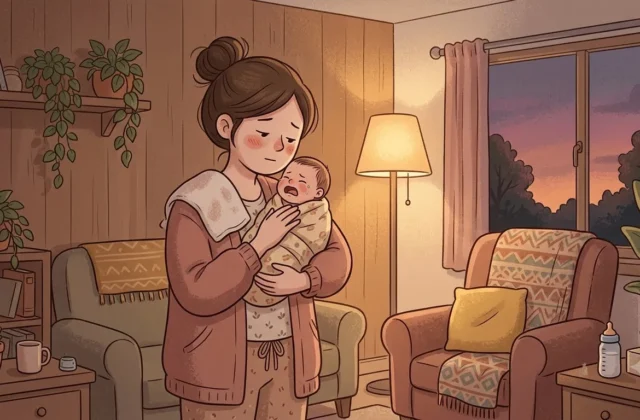
At the time, I barely recognized myself. Before becoming a mother, I had always considered myself emotionally strong. I could manage stress calmly and brush off comments without overthinking them. But after giving birth, everything changed.
I became someone who cried quietly in the bathroom after hearing something small. I became someone who smiled politely in front of visitors and then sat alone later, overwhelmed by emotions I could not process properly. Part of me knew I was reacting more emotionally than usual, yet another part of me felt powerless to stop it.
The Loneliness of Keeping Everything Inside
What made that season even harder was the loneliness that came with hiding it all. I convinced myself that I needed to appear strong because everyone around me already seemed busy helping with the baby. I did not want to sound dramatic, ungrateful, or incapable, so I kept most of my feelings to myself.
When family members visited, I smiled and acted as though I was coping well. When friends checked in, I replied that I was “just tired,” even though what I was feeling went far beyond exhaustion. Deep inside, I was struggling emotionally in ways I did not know how to describe.
There were nights when I sat quietly after everyone had gone to sleep, trying not to cry because I felt completely overwhelmed by the pressure of trying to do everything right. I wanted so badly to be a good mother that every little mistake felt huge to me. I blamed myself constantly and questioned almost everything I did.
If someone offered advice, I immediately wondered whether they saw me as inexperienced or incapable. My confidence disappeared so quickly after childbirth that even small situations could shake me emotionally for hours.
You Are Carrying More Than You Realize
Looking back now, I understand that I was carrying far more than I allowed myself to admit. My body was healing. My hormones were fluctuating wildly. I was surviving on interrupted sleep while trying to adjust to an entirely new identity.
Almost overnight, my life stopped revolving around my own needs. That emotional shift was enormous. Yet instead of acknowledging how difficult the transition truly was, I kept telling myself to quietly “push through.”
I think many mothers do this without even realizing it. We become so focused on caring for everyone else that we forget we also need care, reassurance, and emotional support ourselves. We tell ourselves that other women have gone through motherhood before, so we should be able to handle it too.
Because of that mindset, we minimize our feelings. We stay silent because we are afraid of sounding weak. Slowly, we begin carrying emotional burdens alone while the people around us assume we are coping much better than we actually are.
Opening Up Does Not Make You Weak
One of my biggest regrets from that period is that I did not open up more honestly to the people closest to me. I wish I had told my friends that I was emotionally overwhelmed instead of pretending I was simply “busy.” I wish I had explained to family members that I needed gentleness more than constant advice.
Most of all, I wish I had allowed myself to say simple things like:
“I’m struggling today.”
“I know you mean well, but I feel very sensitive right now.”
“I don’t think I’m coping emotionally yet.”
Instead, I kept swallowing my emotions and trying to handle everything privately because I thought silent endurance was what strong mothers were supposed to do.
But strength does not always look like suffering quietly.
Sometimes strength is allowing yourself to be seen honestly by the people who love you. Sometimes strength is admitting that you are not coping as well as everyone thinks. The truth is, people cannot fully understand what we hide so carefully.
Many of my loved ones probably had no idea how emotional I had become because I worked so hard to appear okay on the outside.
The Emotional Weight of Postpartum Life
The hardest part about postpartum emotions is how isolating they can feel. Even when surrounded by family, visitors, and support, there can still be a deep loneliness inside because your internal world feels impossible to explain.
You are grateful for your child, yet emotionally exhausted at the same time. The love you have inside you yet overwhelmed by fear, pressure, and self-doubt. You are healing physically while also adjusting mentally and emotionally to one of the biggest changes of your life.
It is an incredibly complicated mixture of emotions, and many mothers silently carry all of it alone.
Today, when I think back on that version of myself, I no longer feel embarrassed for being emotional. Instead, I feel compassion for her. She was doing her best while carrying exhaustion, hormones, fear, pressure, and love all at once. She was learning how to become a mother while still trying to understand who she had become herself.
Let People Support You
If there is one thing I hope other mothers understand from my experience, it is this: you do not have to carry everything silently.
Openly tell people that you are struggling emotionally. You are allowed to ask for softness, patience, and understanding and admit that certain comments hurt more deeply than usual.
None of this makes you weak or incapable. It simply makes you human during one of the most vulnerable transitions of your life.
Looking back now, I realize I spent so much energy trying to appear strong that I forgot I deserved support too. I thought motherhood was only about learning how to care for everyone else. But I now understand that mothers also need emotional safety, reassurance, and care while navigating this completely new world.
Perhaps the most important lesson I carry from that season is this: healing becomes lighter when we stop trying to do it alone.
Sometimes, the people who love us are more than willing to hold us gently through difficult days. They simply need us to let them know we are hurting.